
In Japan, trends often emerge from the intersection of nostalgia, craftsmanship, and everyday life and stickers are the latest example. Once seen as simple childhood collectibles, stickers have evolved into a cultural and commercial phenomenon, capturing the attention of students, artists, brands, and collectors alike. Today, stickers are no longer just decorative add-ons; they are a booming commodity with emotional, artistic, and even economic value.
A Nostalgic Comeback with a Modern Twist
For many Japanese adults, stickers evoke memories of childhood decorating notebooks, pencil boxes, and diaries. This sense of nostalgia has resurfaced strongly, especially among Gen Z and millennials who are rediscovering analog joys in an increasingly digital world. What’s different now is the sophistication: premium materials, intricate illustrations, holographic finishes, and limited-edition drops have transformed stickers into desirable lifestyle products.

The Rise of “Sticker Culture”
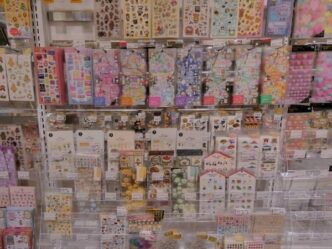
Japan’s long-standing love for stationery has played a major role in the sticker boom. Specialty stores, pop-up events, and even vending machines now sell curated sticker collections. From kawaii characters and anime icons to minimalist art and witty typography, stickers cater to every aesthetic. Many independent artists are also using stickers as an accessible entry point to sell their work, making them a powerful tool for creative expression.
Social Media and Personal Identity
Stickers have found a second life on social media. Platforms like Instagram and TikTok are filled with videos of sticker hauls, journaling setups, and aesthetic desk tours. In Japan, customizing everyday items phones, laptops, planners, water bottles—with stickers has become a subtle way to express personality and mood. Stickers are small, affordable, and endlessly customizable, making them perfect for self-expression in a visually driven culture.
Affordable Collectibles in a Tough Economy
With rising living costs, stickers offer a low-cost indulgence. Limited-edition designs, collaborations with popular franchises, and seasonal releases create a sense of urgency and collectibility without a high price tag. Some rare or discontinued sticker sets even gain resale value, turning a simple purchase into a potential collectible investment.
Brands, Tourism, and Local Pride
Major brands and local governments have also embraced the trend. Stickers are now used for marketing campaigns, regional tourism promotion, and event memorabilia. Travelers collect location-specific stickers as souvenirs, while companies use them to build emotional connections with consumers often more effectively than traditional advertising.
More Than Just a Trend
The sticker boom reflects a deeper shift in Japanese consumer culture, one that values creativity, personalization, and small moments of joy. In a fast-paced world, stickers offer something tangible, playful, and personal. What started as a nostalgic revival has grown into a full-fledged cultural movement.
In Japan today, stickers are not just things you peel and stick, they are stories, identities, and tiny works of art.
Originally written by:BY YUKANA INOUE
STAFF WRITER
Link to the article: https://www.japantimes.co.jp/news/2025/12/28/japan/society/japan-sticker-craze/