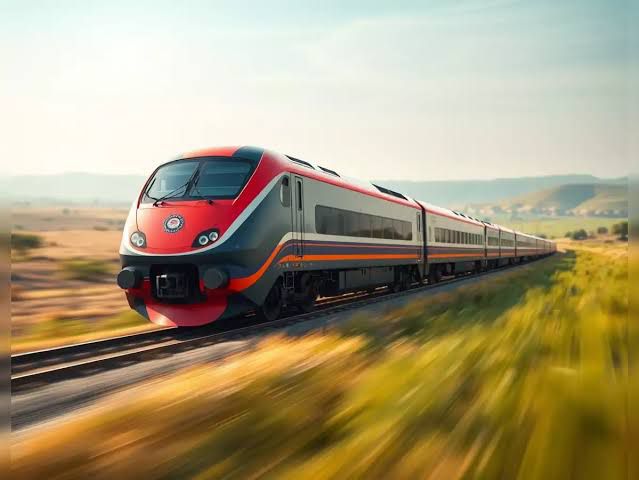
High-speed rail (HSR) is often hailed as the future of modern transportation. From Japan’s Shinkansen to France’s TGV, these trains connect cities faster than ever before. But while the benefits are clear, building and maintaining HSR networks comes with high costs and complex challenges.
Why High-Speed Rail is Expensive
Constructing high-speed rail isn’t like building ordinary train lines. Several factors contribute to the expense:

- Infrastructure costs: Tracks must be specially designed to support trains moving at 250–350 km/h. Bridges, tunnels, and elevated sections are often necessary, especially in mountainous or densely populated areas.
- Technology and safety: High-speed trains rely on advanced signaling, monitoring systems, and precise engineering, all of which increase costs.
- Land acquisition: Urban areas often require buying expensive land or relocating residents and businesses.
- Maintenance: HSR tracks and trains require constant inspection and upkeep to ensure safety at high speeds.
Challenges Beyond Costs
HSR projects face challenges beyond money:
- Environmental concerns: Large infrastructure projects can impact ecosystems, water sources, and local communities.
- Political and social hurdles: Delays in approval, public opposition, or bureaucratic red tape can slow projects.
- Economic risks: If ridership projections are overestimated, governments or operators may struggle to recover costs.
Why Countries Still Invest
Despite these challenges, many nations view high-speed rail as a key to economic growth:
- Faster connectivity: HSR dramatically reduces travel times between cities, boosting business efficiency and tourism.
- Regional development: Cities connected by HSR often see increased investment, urban development, and job creation.
- Environmental benefits: Trains are more energy-efficient and emit less carbon per passenger than cars or airplanes.
- Long-term economic multiplier: Though expensive upfront, successful HSR networks can stimulate trade, attract businesses, and increase property values along the route.
Global Examples
- Japan: The Shinkansen has been operating since 1964 and transformed domestic travel. Cities along the lines have grown economically due to improved accessibility.
- China: The world’s largest HSR network connects hundreds of cities, reducing travel time and supporting industrial hubs.
- France: TGV lines connect Paris to regional cities, boosting tourism and regional commerce.
Conclusion
High-speed rail is not a quick or cheap solution. Building it requires careful planning, significant investment, and strong political will. Yet for countries looking to modernize transportation, reduce carbon emissions, and stimulate regional economies, it remains one of the most promising infrastructure projects. The upfront cost is high, but the potential payoff in connectivity, growth, and sustainability makes high-speed rail a key ingredient in a nation’s long-term development strategy.
Originally written by: By Kazuaki Nagata STAFF WRITER
Link To the Article: https://www.japantimes.co.jp/business/2025/11/06/companies/ihra-forum-2025/?utm_medium=social&utm_source=linkedin#Echobox=1762425955