
Japan is placing a bold new bet on its technological future transforming the quiet, scenic “Island of Flowers” (Hokkaido) into one of the world’s most important semiconductor hubs. With global demand for advanced chips surging and geopolitical tensions reshaping supply chains, Japan sees an opportunity to re-establish itself as a semiconductor powerhouse. The project, though ambitious, signals a turning point in the country’s industrial strategy.
A Strategic Push for Chip Independence
For decades, Japan was a leader in semiconductor manufacturing, supplying memory chips and equipment worldwide. But competition from South Korea, Taiwan, and the U.S. gradually pushed its chip sector into decline.


Now, with growing concerns over supply chain resilience, Tokyo is investing heavily to bring high-tech manufacturing back on home soil. The government has pledged billions of dollars to support next-generation semiconductor plants, research facilities, and partnerships with global tech companies.
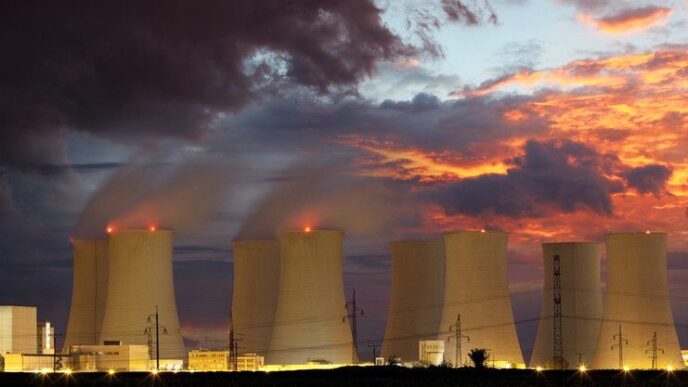
The centerpiece of this effort is the rapid development of Hokkaido’s industrial zones, which aim to host state-of-the-art chip fabrication facilities (fabs) capable of producing advanced nodes essential for AI, automotive, robotics, and defense technologies.
Why Hokkaido? An Island of Flowers With Room to Grow
Hokkaido often called Japan’s “Island of Flowers” for its sweeping lavender fields and natural beauty offers an unexpected but strategic location:
- Huge land availability: Unlike densely built Tokyo, Osaka, or Nagoya, Hokkaido has ample space for mega-fabs and their support ecosystems.
- Cool climate ideal for fabs: Chip plants generate enormous heat; cooler environments reduce energy strain and improve efficiency.
- Clean water resources: Semiconductors require vast amounts of purified water, and Hokkaido has some of Japan’s cleanest natural reserves.
- Growing talent and research ecosystem: Universities and new tech training programs are aligning with semiconductor needs.
The transformation aims to balance industrial development with sustainability, ensuring Hokkaido’s famous landscapes coexist with high-tech infrastructure.
The Role of Rapidus: Japan’s Flagship Bet
At the center of Japan’s gamble is Rapidus, a government-backed semiconductor venture aiming to produce cutting-edge 2-nanometer chips by the late 2020s. The company has partnered with IBM and other global leaders to fast-track innovation.
Rapidus’ multi-billion-dollar fab in Chitose, Hokkaido, is expected to be one of the most advanced manufacturing sites in the world. Construction is underway, supported by:
- Government subsidies
- Private investments from major Japanese corporations
- International technological collaborations
If successful, Rapidus could position Japan alongside Taiwan’s TSMC, South Korea’s Samsung, and U.S. chip giants.
Geopolitical Importance: Securing the Supply Chain
The global semiconductor landscape is increasingly shaped by geopolitics. With Taiwan the world’s biggest chip hub facing rising tensions with China, countries are racing to diversify sources.
Japan’s Hokkaido plan fits into this broader shift:
- It supports U.S.–Japan cooperation on secure chip supply.
- It provides an alternative production base for high-end chips.
- It strengthens Japan’s national security and technological competitiveness.
The initiative has already attracted attention from global investors and governments seeking stable, reliable chip production outside sensitive geopolitical zones.
Economic Impact: Transforming a Region
If the gamble pays off, the economic ripple effect across Hokkaido could be massive:
- Tens of thousands of direct and indirect jobs
- New infrastructure, including transport, energy, and housing
- Growth in local businesses, research institutions, and startups
- A shift from tourism-focused economy toward high-tech innovation
Local governments are preparing workforce development programs to train engineers, technicians, and semiconductor specialists, ensuring a ready talent pool.
Challenges: High Costs, Talent Gaps, and Global Competition
Despite the excitement, Japan’s chip revival is far from guaranteed.
Major challenges include:
- High production costs: Japan’s fabs must compete with heavily subsidized giants in Taiwan, Korea, and the U.S.
- Talent shortages: The industry requires thousands of skilled workers, many of whom are currently abroad.
- Technological race: Achieving 2-nm manufacturing on schedule is an enormous technical challenge.
- Energy demands: Large fabs require stable, clean, and affordable energy at unprecedented scale.
Addressing these obstacles will determine whether Japan can truly reclaim its semiconductor leadership.
A Bold Vision for the Future
Japan’s gamble is more than an economic strategy it is a national mission to secure technological sovereignty. Transforming the “Island of Flowers” into a global chip hub reflects Japan’s determination to innovate, compete, and redefine its role in the future of advanced technology.
If successful, Hokkaido could become one of the world’s most important centers for next-generation semiconductor manufacturing, symbolizing a new era of Japanese technological resurgence.
Originally written by:Author,
- Suranjana Tewari
- Role,
- Asia business correspondent
- Reporting from
- Hokkaido, Japan
Link to the article: https://www.bbc.com/news/articles/c8676qpxgnqo