Indian and Nepalese curry restaurants, a familiar and beloved part of Japan’s dining scene, may soon face serious challenges due to tighter immigration regulations surrounding the “Business Manager” visa.
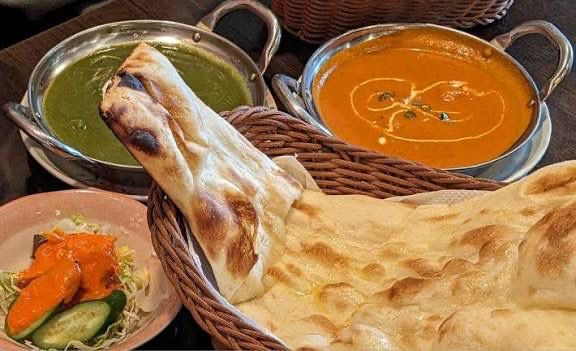
For decades, these restaurants have added color and flavor to neighborhoods across Japan, serving everything from creamy butter chicken to freshly baked naan. In cities like Tokyo, Osaka, and Yokohama, small family-run curry shops have become community staples, often operated by entrepreneurs from India and Nepal.


However, recent changes to the “Business Manager” visa requirements could place many of these establishments at risk.
Higher Capital Requirement Raises Concerns
According to reports, the minimum capital requirement for the visa has been raised from 5 million yen to 30 million yen a sixfold increase. In addition to the higher financial threshold, applicants are now expected to demonstrate:
- Proven management experience
- Employment of full-time staff
- Submission of verified and detailed business plans
These new conditions are aimed at strengthening oversight and preventing misuse of the visa system.
Crackdown on Paper Companies
The policy shift follows concerns from authorities about visa abuse, particularly cases involving “paper companies” businesses that exist largely on paper without genuine operations. Stricter rules are intended to ensure that applicants are running legitimate enterprises that contribute to the Japanese economy.
While the objective is to prevent exploitation of the system, the unintended impact may fall heavily on small-scale, family-run restaurants that operate on modest capital and thin profit margins.
Small Business Owners Feel the Pressure
Many restaurant owners worry that they will struggle to meet the new 30 million yen capital requirement when it comes time to renew their visas. For small curry shops in residential neighborhoods, accumulating that level of capital can be extremely difficult.
Owners say that while they understand the need for proper regulation, the sudden jump in financial requirements could force some to shut down not because they lack customers or business activity, but because they cannot meet the revised visa criteria.
Cultural and Community Impact
Indian and Nepalese restaurants are more than just eateries; they represent cultural bridges. They introduce Japanese customers to South Asian flavors and traditions, and often serve as gathering places for expatriate communities.
If closures increase due to stricter visa conditions, local communities could lose not only dining options but also a layer of cultural diversity that has enriched Japan’s urban and suburban landscapes for years.
Finding the Right Balance
Observers suggest that policymakers may need to strike a careful balance preventing abuse of the visa system while ensuring that legitimate small businesses are not unfairly burdened.
Support mechanisms, phased requirements, or differentiated standards for smaller enterprises could help protect genuine entrepreneurs while maintaining regulatory integrity.
As Japan continues to rely on foreign talent and entrepreneurship to strengthen its economy, how it navigates this issue could shape the future of many community-based businesses and the diversity they bring to everyday life.
Original news source: https://www.facebook.com/share/1BqUMbUnQv/?mibextid=wwXIfr