
Japan Records More Than 107,000 People Aged 100 or Older
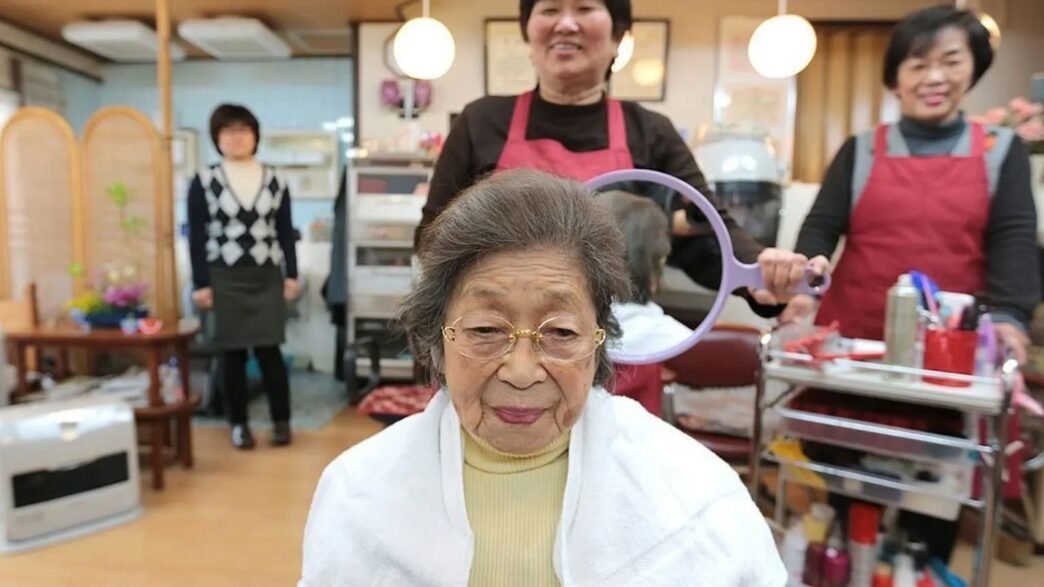
Japan has recorded more than 100,000 centenarians for the first time, marking another major milestone in the country’s long-running demographic shift.
 WhatsApp Image 2024 07 01 at 13.58.28 4cfca4e0
According to figures released by Japan’s Ministry of Health, Labour and Welfare on September 15, 2026, the number of people aged 100 or older reached 107,677, an increase of 7,914 from the previous year.
The figure is the highest recorded since the government began compiling the data.
Women Make Up Nearly 88% of Centenarians
Women account for the overwhelming majority of Japan’s centenarian population.
Of the 107,677 people aged 100 or older:
● 94,298 are women
● 13,379 are men
Women therefore represent nearly 88% of the total centenarian population.
The figures are based on reports from prefectures, designated cities and core cities using resident registration data as of September 1, 2026.
Number of Centenarians Has Increased Dramatically
Japan’s centenarian population has grown sharply over the past several decades.
When Japan introduced the Act on Social Welfare for the Elderly in 1963, there were only 153 people aged 100 or older nationwide.
The number subsequently crossed:
● 1,000 in 1981
● 10,000 in 1998
● 50,000 in 2012
● 100,000 in 2026
The latest total of 107,677 represents an increase of more than 7,900 people in just one year.
More Than 54,000 People Are Turning 100 This Year
The government also announced that 54,294 people are eligible to receive congratulatory letters and commemorative gifts this year because they have reached or are expected to reach the age of 100 during the fiscal year.
Of these, 45,769 are women and 8,525 are men.
Japan has traditionally marked the occasion on September 15, Respect for the Aged Day, with the national government recognising people who reach 100.
Japan’s Long-Life Population Continues to Grow
Japan is known for its high life expectancy, and the growing number of centenarians is one of the clearest signs of the country’s ageing population.
Japan’s health ministry has pointed to factors including improvements in living conditions, nutrition and medical technology as contributing to the increase in longevity.
The growing number of people living to 100 and beyond also increases the importance of healthcare, elderly care and policies supporting longer, healthier lives.
Japan’s oldest living person is currently Fuyo Kishimoto of Kyoto, who turned 114 in December 2025, according to the health ministry. The country’s oldest man is Hikaru Kato of Kumamoto, who turned 112 in May 2026.
The previous oldest person in Japan, Shigeko Kagawa, died in August 2026 at the age of 115.
Why This Matters
1. A Major Demographic Milestone
Crossing 100,000 centenarians highlights the scale of Japan’s demographic ageing.
2. Growing Demand for Elderly Support
As more people live into their 100s, healthcare, social services and elderly care systems face changing demands.
Japan’s government has also focused on extending the number of years people can live in good health, rather than simply increasing overall life expectancy.
4. A Long-Term Population Trend
The rise from 153 centenarians in 1963 to more than 107,000 today shows how dramatically Japan’s age structure has changed over the past six decades.
Japan has reached a new demographic milestone, with 107,677 people aged 100 or older in 2026. The figure is the first time the country’s centenarian population has exceeded 100,000.
The record also highlights the broader challenge of adapting healthcare, social security and elderly support systems as Japan’s population continues to age.