Japan has reached a remarkable demographic milestone, with the number of people aged 100 and older surpassing 100,000 for the first time.
According to Japan’s Ministry of Health, Labour and Welfare, the country had 107,677 centenarians as of September 1, 2026, an increase of 7,914 from the previous year. Women account for 94,298 of the total, while men number 13,379.
 WhatsApp Image 2024 07 01 at 13.58.28 4cfca4e0
The milestone has also renewed interest in the everyday food, community traditions and active lifestyles found across different parts of Japan.
Okinawa: A Destination Associated With Longevity
Okinawa is often associated with Japan’s longevity story and offers travelers a chance to experience a distinctive island culture.
The region combines subtropical landscapes, traditional communities, local food and outdoor activities. Japan’s official tourism organization describes Okinawa as a destination shaped by its unique history, climate and Ryukyu heritage.
Visitors can explore:
● Traditional Okinawan cuisine
● Local markets and cultural villages
● Beaches and coral reefs
● Ryukyu historical sites
● Outdoor and nature-based experiences
Kyoto Offers a Different Side of Healthy Living
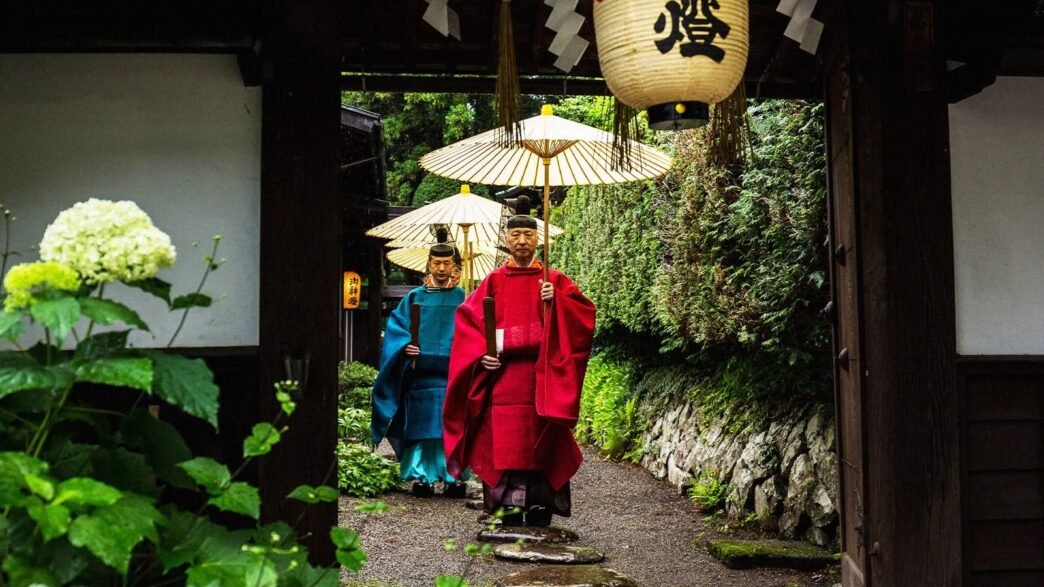
Kyoto provides another window into Japanese daily culture.
Traditional food, tea culture, gardens, walking through historic neighbourhoods and seasonal activities are deeply woven into everyday life. JNTO notes that Kyoto’s cuisine generally emphasizes nutritional balance, while tea and traditional arts remain important parts of the city’s cultural identity.
Travelers can experience this culture through:
● Traditional Japanese meals
● Tea experiences in Uji
● Walking around historic districts
● Temple and garden visits
● Traditional inns and local cuisine
Nagano Connects Food, Nature and Activity
Nagano offers yet another perspective, combining mountain landscapes with traditional food and outdoor activities.
The region is known for hiking, skiing, hot springs and rural communities. It is also associated with Shinshu soba, a traditional buckwheat noodle with deep roots in Nagano’s food culture.
For visitors, the experience can include:
● Mountain walks and outdoor activities
● Hot-spring stays
● Local soba
● Traditional villages
● Regional food and sake experiences
What Does Japan’s Longevity Data Show?
The latest figures show how dramatically Japan’s centenarian population has changed.
● 107,677 people aged 100 or older in 2026
● 94,298 women and 13,379 men
● More than 7,900 additional centenarians compared with 2025
● The figure has now crossed the 100,000 mark for the first time
Japan’s health minister has pointed to improvements in living environments, diet and nutrition, and medical technology among factors associated with the country’s increasing longevity. These factors do not mean that any particular destination or lifestyle guarantees a longer life.
Why This Matters for Travelers
1. Wellness Is Part of Everyday Culture
Japan’s approach to food, movement, nature and community can be experienced as part of ordinary travel rather than only through dedicated wellness resorts.
2. Regional Experiences Matter
Okinawa, Kyoto and Nagano offer very different examples of Japanese food, traditions and lifestyles.
3. Food Becomes a Cultural Experience
From Okinawan dishes to Kyoto cuisine and Nagano soba, regional food provides an important way to understand local life.
4. Longevity Goes Beyond Diet
Japan’s centenarian milestone reflects a combination of demographic, social, environmental, medical and nutritional factors rather than one single “secret.”
Japan’s centenarian population has now crossed a historic threshold, with more than 107,000 people aged 100 or older.
For travelers, the story offers another reason to look beyond Japan’s famous landmarks and explore the country’s everyday culture from Okinawan island traditions and Kyoto’s food heritage to Nagano’s mountains, hot springs and regional cuisine.