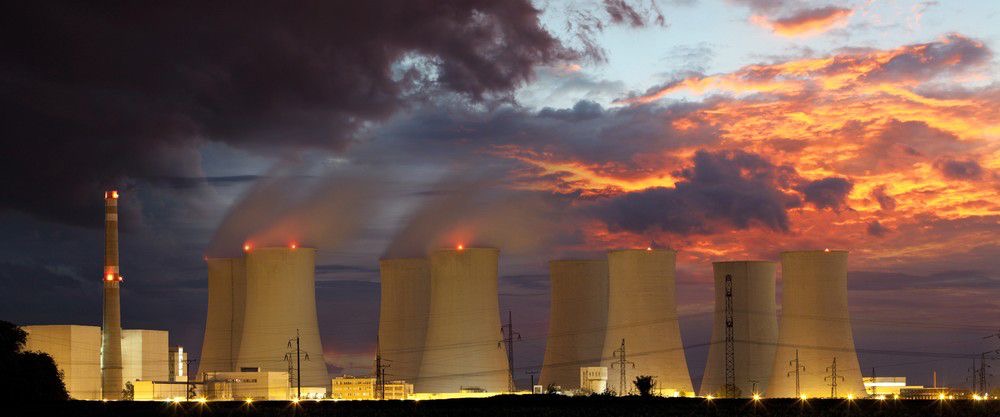
apan appears poised to bring back online as soon as January 2026 reactors at Kashiwazaki‑Kariwa Nuclear Power Plant, the world’s largest nuclear power facility by installed capacity. This would be the first restart for the plant (and for its operator Tokyo Electric Power Company, TEPCO) since the shutdowns triggered by the 2011 Fukushima Daiichi nuclear disaster.
What’s Happening


● The restart plan targets Unit No. 6 of Kashiwazaki-Kariwa first. According to the plant director, if the local assembly approves, this reactor could go online in January.
● The restart depends on:
1. Consent from the regional authority: the local assembly of Niigata Prefecture is scheduled to vote when it convenes on December 2.
2. Formal safety confirmation from Japan’s nuclear regulatory body a procedure that typically takes 3–4 weeks after assembly approval.
● The facility comprises seven reactors; restarting Units 6 and 7 the largest could yield up to 2,710 megawatts (MW) of electricity.
● Energy Security & Cost Relief: Japan has struggled with high costs and volatility associated with imported fossil fuels. Restarting Kashiwazaki-Kariwa offers a stable, domestic alternative and could reduce dependence on imported liquefied natural gas (LNG).
● Shift in Energy Policy: After the 2011 Fukushima disaster, Japan shut down nearly all its reactors. Currently, only a fraction have been restarted. This move signals a broader re-embrace of nuclear power as a key component of Japan’s energy mix.
● Financial Implications for TEPCO: For TEPCO, bringing the plant back online could help offset ongoing costs related to the Fukushima disaster including compensation and decommissioning.
● Safety and Public Trust: The 2011 Fukushima disaster still looms large in public memory. Many local residents remain skeptical. A recent survey in Niigata found roughly equal support and opposition to the restart.
● Past Performance & Transparency Questions: Critics have pointed to past missteps by TEPCO (including cost-cutting on safety systems) and raised concerns over whether local communities have been adequately informed or compensated.
● Regulatory and Geological Risks: Given Japan’s vulnerability to earthquakes and tsunamis, ensuring that safety standards especially regarding seismic resilience are robust remains non-negotiable.
1. Prefectural Assembly Vote (From December 2): Local lawmakers must formally approve the restart plan for Unit 6.
2. Safety Confirmation from Regulators: After assembly approval, TEPCO will seek final clearance from national nuclear regulators a process that may take several weeks.
3. If All Goes Well Reactor Online in January 2026: Power generation could resume as early as January, marking a major turning point for Japan’s nuclear energy policy and national energy security strategy.
Whether the restart proceeds successfully will have ripple effects beyond Niigata Prefecture. It could:
● Reinforce Japan’s pivot back to nuclear power affecting energy, climate and economic policy.
● Influence public opinion and set a precedent for restarting other idle reactors across Japan.
● Potentially reduce Japan’s overall energy costs and reliance on imported fossil fuels, contributing to energy stability and lower emissions.
Originally written by:By Tsvetana Paraskova
Link to the article : https://oilprice.com/Latest-Energy-News/World-News/Japan-Could-Restart-Worlds-Largest-Nuclear-Plant-in-January.html