Tokyo: – Japan made history earlier this month with the appointment of Sanae Takaichi as its first female prime minister. But her ascension has also reignited a deeply rooted cultural and gender controversy: should she dare to step into the sacred sumo ring an arena from which women have long been barred?
A Taboo Rooted in Tradition
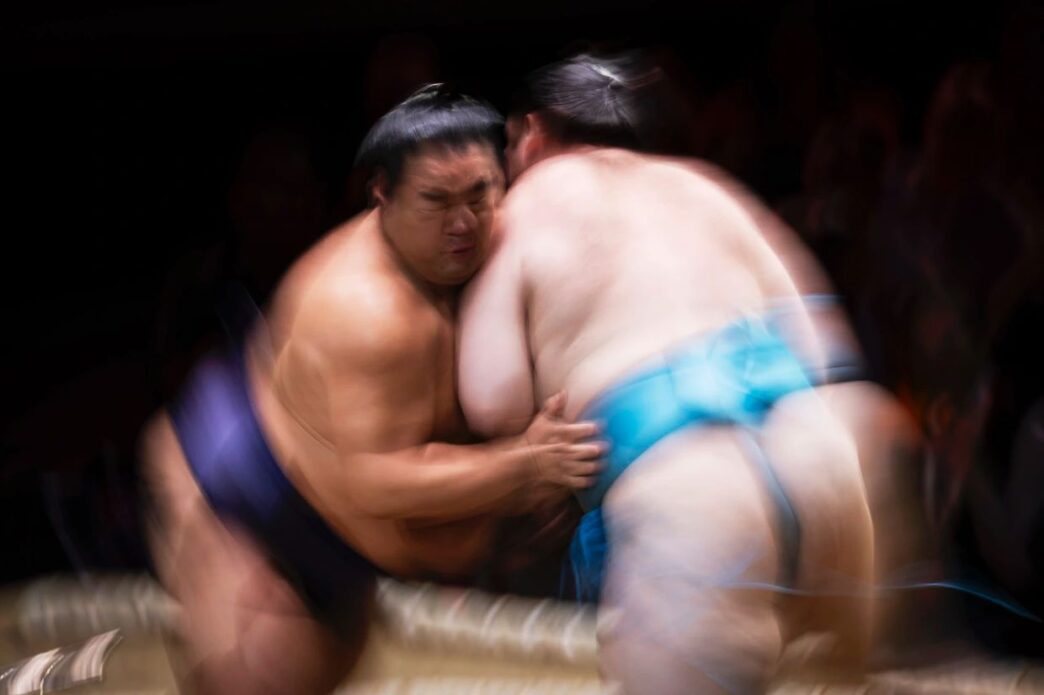
- The sumo ring (dohyo) is not just a sports platform: in professional sumo, it is considered a sacred space, with ties to Shinto ritual and purity.
- According to traditional belief, women are “impure” because of menstruation and childbirth, a notion that many contend underpins the prohibition.
- The Japan Sumo Association (JSA) defends the ban as a matter of tradition, not sexism. In 2018, association chair Nobuyoshi Hakkaku said the rule “makes the dohyo a serious battleground for men … male-only world … passing down the practice …”
Historical Challenge, Recurring Incidents
- Despite its ancient aura, the ban is not unchallenged. Historians point to texts from the 7th century indicating that women once performed sumo-like rituals for emperors, and records from the 16th century even mention female wrestlers.
- Over the decades, prominent women have pushed back:
- In 1978, a young girl who won a local children’s sumo match was barred from advancing in a real dohyo because of her gender.
- In 1990, Mayumi Moriyama then a government representative requested to enter the ring to present the Prime Minister’s Cup and was refused.
- In 2000, Osaka Governor Fusae Ohta was denied entry into the ring to hand over a trophy; she was forced to do so from outside.
- In 2018, a medical emergency sparked a public outcry: when the mayor of Maizuru collapsed on the dohyo, female medics rushed in only to be told repeatedly to leave.
- Soon after, the mayor of Takarazuka, Tomoko Nakagawa, was denied permission to speak from inside the ring.
- That same year, the JSA apologized and formed a panel to study the issue but no concrete policy shift has occurred so far.
Takaichi’s Dilemma: Tradition vs. Symbolism
- As prime minister, Takaichi could have an opportunity to personally present the Prime Minister’s Cup in the ring a potent symbolic moment.
- However, she has not committed to doing so. Her office indicates she may respect traditional customs rather than push for a public confrontation.
- Her political identity may make the decision more complicated: Takaichi is known for conservative views and has defended traditional gender roles, including her opposition to changes in family naming laws.
- Some observers argue she has a unique moment to challenge anachronistic rules; others say breaking sumo tradition could alienate her conservative base.
The Larger Gender Debate
- The sumo ring controversy is part of a broader conversation about women’s role in traditional and sacred spaces in Japan.
- While sumo remains male-only at the professional level, female sumo continues to grow in amateur circuits.
- Critics argue that institutions like the JSA are lagging behind modern Japanese society’s evolving attitudes toward gender equality.
What’s Next
- Takaichi’s next opportunity to make a decision will be at the New Year Grand Sumo Tournament in Tokyo.
- Whether she steps into the ring or not, the debate is likely to intensify now that a woman holds the country’s highest office.
- For many, this moment could be a turning point a symbolic test of whether Japan’s traditions can adapt to changing norms, or whether they will continue to exclude half its population from certain roles.
Bottom line: Sanae Takaichi’s premiership not only marks a historic milestone it has reignited a long-standing clash between tradition and gender equality in one of Japan’s most iconic institutions.

Originally written by- By Arata Yamamoto and Jay Ganglani –https://www.nbcnews.com/world/asia/japan-sanae-takaichi-sumo-ban-women-ring-rcna244308
Also Read Golden Week Travel Surge: Over Half a Million Japanese Set to Explore Overseas Destinations