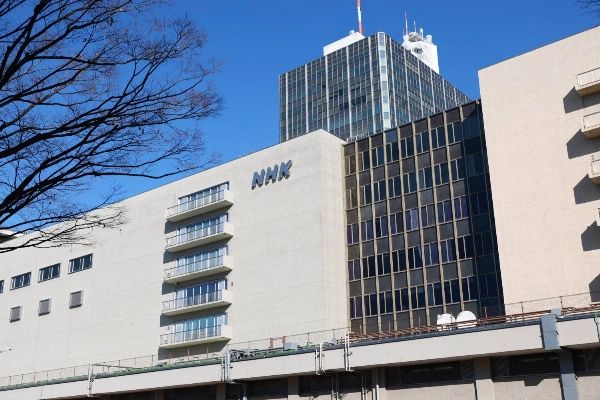
The NHK Japan’s public broadcaster has begun a new effort to block so-called “free riders” who access its content without paying the mandatory subscription fee.
Why the crackdown?
NHK says the crackdown responds to a growing number of households and individuals watching NHK broadcasts or accessing its news website without holding a valid subscription.


In recent years, Japan has seen a shift in how people consume media. With more people turning to internet-based news and streaming rather than traditional television, NHK revised its policies. As of October 1, 2025, internet streaming and online distribution are designated as “mandatory services” under revised regulations meaning that even households without a TV, but who access NHK online, are now required to pay a fee.
This expanded coverage is aimed at ensuring fairness: NHK argues that for public broadcasting to function properly enabling reliable reporting, disaster coverage, cultural and educational programming, and unbiased journalism everyone who receives NHK content should contribute.
What’s changing: Access control and enforcement
To implement the crackdown, NHK has begun requiring users to enter valid subscription information in order to access its most recent online news service NHK ONE. The new service replaced the broadcaster’s older news portal in October.
Alongside that, NHK has established a special enforcement team whose job is to identify and prevent “free riders” users streaming or viewing content without paying.
In short: if you want to consume NHK content online, you now need an active, fee-paying subscription.
Why now? Financial pressures and declining subscriptions
The move comes amid ongoing financial pressures. For fiscal 2025, NHK forecasts an operating deficit of around ¥40 billion the third straight year of losses.
Part of the issue: fee income the core revenue source for NHK has fallen, reflecting a decline in the number of paying subscribers.
By expanding the fee requirement to online users, NHK hopes to shore up revenue and ensure the sustainability of its public-broadcasting model.
What supporters and critics say
Supporters argue that the crackdown restores fairness. As NHK’s official explanation states: if users receive NHK content (whether via TV or internet), they should participate in supporting the service through fees. This, they say, ensures everyone shares the cost enabling NHK to continue providing public service broadcasting: news, education, culture, disaster reporting, and more.
Critics raise concerns over fairness and personal freedom. Many people question why a household without a TV that may only occasionally access a public-broadcasting site like NHK’s news portal should be compelled to pay the same fee as those with TVs or heavy viewing habits.
Some see the move as a heavy-handed attempt at wide-scale collection rather than a genuine effort at public service.
What it means going forward
For viewers in Japan: if you use NHK’s online services especially the newly launched NHK ONE you’ll need to be registered and subscribed. The free-rider loophole is effectively closed.
For NHK: this could help stabilize revenue, reduce subscription shortfall, and make the public-broadcasting business model more sustainable but only if the public accepts the changes.
For the broader debate: the crackdown highlights tension between public-service ideals (universal access to information) and financial reality (needing stable funds). It may reshape expectations about what “public broadcasting” means in an era of streaming and internet-first media.
Originally written by: BY YUKANA INOUE
Link: https://www.japantimes.co.jp/news/2025/11/25/japan/media/nhk-website-fee-crackdown/