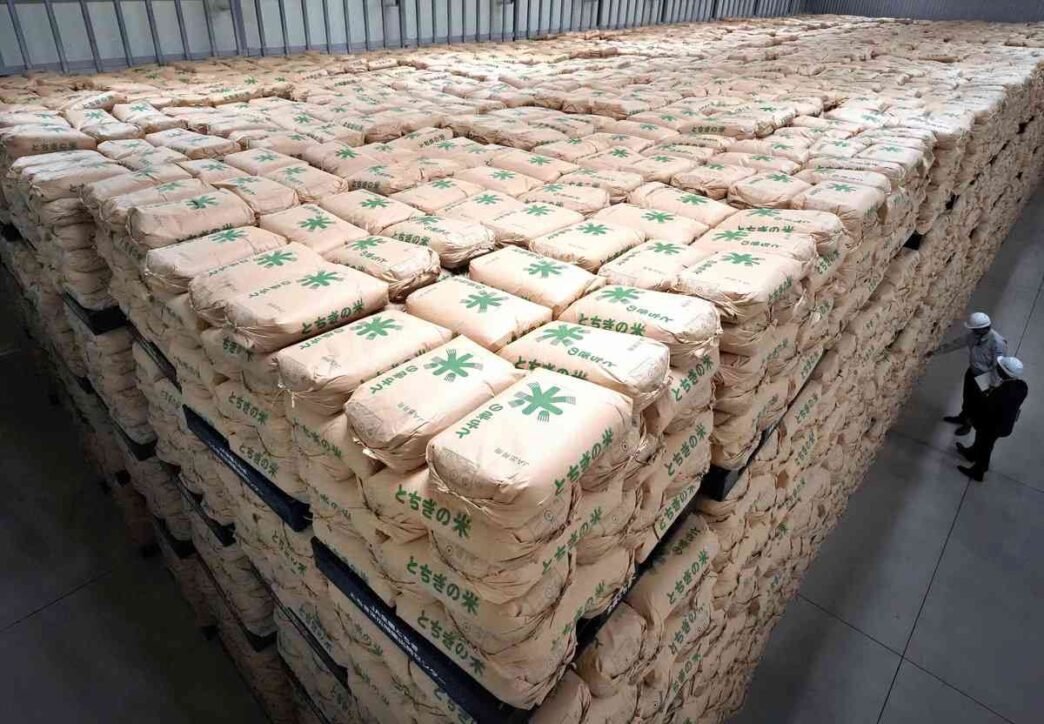
Japan’s private-sector rice inventories have climbed to unprecedented levels for the month of July, as the country experiences a significant increase in rice production following the supply shortages of 2024. According to data reported in September 2026, the 2025 rice crop has contributed to a substantial rise in stocks, while newly harvested rice is entering the market.
As of the end of July 2026, private-sector rice inventories reached approximately 2.43 million tonnes, a record high for the period. The increase reflects improved supply conditions and the effects of a larger harvest. Japan’s 2025 rice production reached approximately 7.47 million tonnes, compared with 6.79 million tonnes in 2024.
 WhatsApp Image 2024 07 01 at 13.58.28 4cfca4e0
Rice Prices Fall as Supply Improves
The increase in rice stocks is influencing prices across Japan’s retail market. Following the shortages and sharp price increases experienced in 2024 and 2025, greater availability has contributed to a decline in retail rice prices.
Rice prices had reached a peak of ¥4,416 per 5-kilogram bag in early January 2026. Since then, prices have fallen as government reserve rice and the larger 2025 harvest have increased supplies available to consumers. Some retailers have also begun discounting older rice stocks to make room for newly harvested products.
The changing market conditions could offer some relief to Japanese households, which faced a prolonged period of rising food costs. However, rice prices remain higher than the levels recorded before the supply disruption.
Lower Consumption Adds to the Growing Surplus
Japan’s rice market is also experiencing changes in domestic consumption. Preliminary figures indicate that domestic rice consumption during the year beginning in July 2025 fell to 6.83 million tonnes, a record low.
One factor behind the decline was the increase in rice imports following higher prices for domestically produced rice. Some consumers and businesses shifted toward imported alternatives as domestic supplies became more expensive.
The combination of increased production and lower domestic consumption has contributed to the accumulation of rice inventories, raising questions about how the government and agricultural sector will manage the surplus.
Government Faces Decisions on Rice Stockpiles
Japan’s government is now confronting a different challenge from the shortages that previously disrupted the market. During 2025, authorities released substantial quantities of emergency rice reserves to improve supply and curb soaring prices.
Those releases reduced government stockpiles to approximately 320,000 tonnes by August 2026, significantly below the intended reserve level of around one million tonnes. The agriculture ministry has been considering purchasing rice to replenish emergency reserves while assessing market conditions.
The government must balance food security, stable consumer prices and the financial interests of rice farmers. An excessive surplus could put downward pressure on rice prices and affect farm incomes, while rebuilding emergency reserves remains important for responding to future supply disruptions.
Outlook for Japan’s Rice Market
Japan’s rice industry is entering a new phase as larger inventories and fresh harvests reshape the balance between supply and demand. The arrival of newly harvested rice could provide consumers with more choices and encourage further price adjustments.
At the same time, the growing surplus highlights structural challenges facing the country’s agricultural sector, including changing consumption patterns, climate-related production risks and the need for effective inventory management.
As Japan moves through the 2026 harvest season, attention will remain on retail prices, production levels and government measures to manage rice stocks. The developments will be important for both consumers and farmers as the country works to maintain a stable and resilient food supply.