
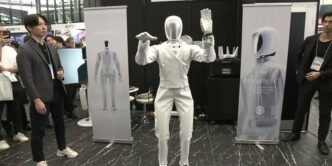
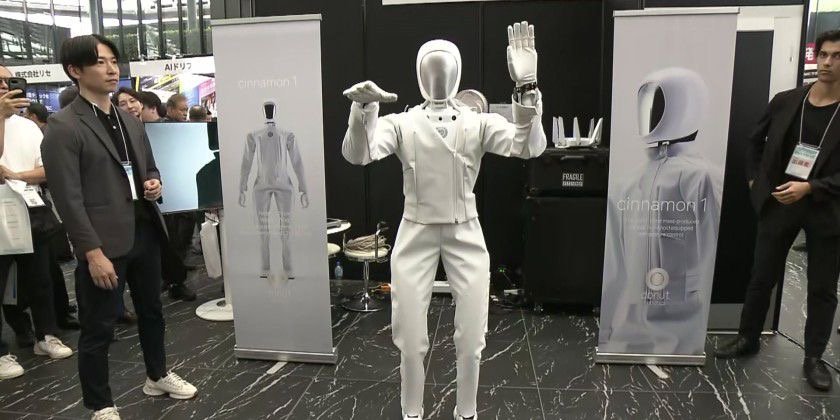
The future of Physical AI was on full display at a major technology expo in Tokyo, where companies and researchers showcased cutting-edge innovations that combine artificial intelligence with real-world machines and robotics. The event highlighted how AI is moving beyond digital applications and becoming increasingly integrated into physical environments, from factories and warehouses to healthcare and everyday life.
Industry leaders demonstrated a range of AI-powered systems capable of perceiving, learning, and interacting with the physical world. These included autonomous robots, intelligent manufacturing systems, and next-generation service machines designed to assist people in various settings.
 WhatsApp Image 2024 07 01 at 13.58.28 4cfca4e0
Physical AI refers to artificial intelligence systems embedded in machines that can sense, analyze, and respond to real-world conditions. Unlike software-based AI that operates primarily in digital environments, Physical AI enables robots and devices to interact directly with their surroundings.
Highlights from the expo included:
● AI-powered autonomous robots
● Smart manufacturing and industrial automation systems
● Service robots for healthcare and hospitality
● Advanced sensors and machine vision technologies
● Human-robot collaboration solutions
● Real-time decision-making AI platforms
The exhibits demonstrated how AI is increasingly being used to perform complex physical tasks with greater accuracy and efficiency.
Japan’s Push for AI and Robotics Leadership
Japan has long been a global leader in robotics, and the emergence of Physical AI is seen as the next major step in technological innovation. With challenges such as an aging population and labor shortages, many Japanese companies are investing heavily in AI-driven automation to improve productivity and support economic growth.
Experts at the expo emphasized that combining advanced robotics with artificial intelligence could transform industries ranging from manufacturing and logistics to healthcare and public services.
1. Expanding AI Beyond Software
Physical AI enables intelligent machines to operate and make decisions in real-world environments.
2. Addressing Labor Shortages
AI-powered robots can help support industries facing workforce challenges.
3. Boosting Productivity
Automation technologies can improve efficiency across multiple sectors.
4. Shaping the Future of Technology
Physical AI is expected to play a major role in the next generation of innovation and economic growth.
The Tokyo technology expo showcased how Physical AI is rapidly evolving from a futuristic concept into practical solutions for everyday life and industry. As robotics and artificial intelligence continue to converge, Japan is positioning itself at the forefront of a technological transformation that could redefine how humans and machines work together in the years ahead.