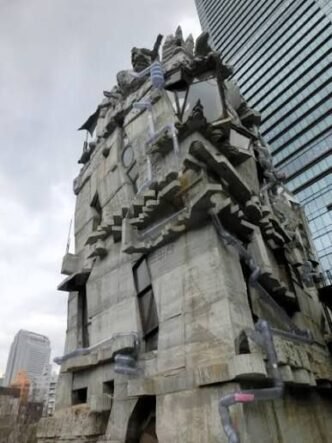
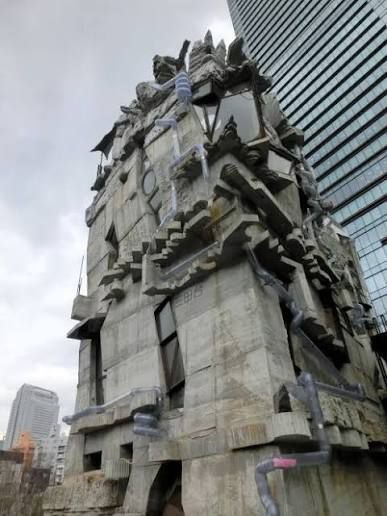
The “Arimasuton Building” standing against a backdrop of towering skyscrapers in Tokyo’s Minato has recently drawn attention for its striking contrast with the rapidly modernizing city skyline.
Photographed on March 18 by photographer Manabu Ueda, the building has become a symbol of the balance between older urban structures and Tokyo’s continuous redevelopment projects.
 WhatsApp Image 2024 07 01 at 13.58.28 4cfca4e0
Located in one of Tokyo’s most dynamic business districts, the structure stands surrounded by sleek high-rise towers that reflect Japan’s ongoing urban transformation.
Tokyo’s Skyline Continues Rapid Evolution
Tokyo remains one of the world’s fastest-evolving metropolitan areas, with new commercial towers and redevelopment projects continuously reshaping the city landscape.
Areas such as Minato have seen major infrastructure and real estate growth in recent years.
Several factors are driving the transformation, including:
● Commercial redevelopment
● Growing business districts
● Modern office construction
● Real estate investment
● Urban renewal projects
● Infrastructure expansion
● International business demand
The contrast between older buildings and modern skyscrapers has become an increasingly familiar part of Tokyo’s visual identity.
“Arimasuton Building” Captures Public Interest
The “Arimasuton Building” has attracted online and media attention because of its unusual positioning amid large-scale modern developments.
Observers say the structure highlights Tokyo’s unique blend of:
● Traditional urban character
● Modern architecture
● Dense city planning
● Historical continuity
● Rapid modernization
● Mixed-use development
● Cultural preservation
Images of the building standing beside massive skyscrapers have resonated with many viewers interested in architecture and urban design.
Minato Ward Remains a Major Business Hub
Minato is one of Tokyo’s most important commercial and residential districts.
The area is known for:
● Luxury residential towers
● Corporate headquarters
● International businesses
● Entertainment districts
● Shopping complexes
● Embassies and diplomatic zones
● Modern infrastructure
Major redevelopment projects continue to reshape the ward’s skyline while maintaining pockets of older architecture.
Japan Balances Modernization With Urban Identity
Japan’s major cities often combine futuristic infrastructure with older buildings and traditional neighborhoods.
Urban planners and architects continue debating how to preserve cultural identity while supporting economic growth and modernization.
Common approaches include:
● Adaptive redevelopment
● Selective preservation
● Mixed-use construction
● Smart city planning
● Transit-oriented development
● Sustainable urban design
● Public space modernization
Tokyo’s layered cityscape is frequently seen as one of the defining characteristics of Japanese urban life.
Skyscraper Development Continues Across Tokyo
Tokyo has experienced ongoing construction growth as developers respond to increasing business activity and urban demand.
Recent trends include:
● High-rise office towers
● Smart building technology
● Green construction initiatives
● Mixed commercial projects
● Transit-linked developments
● Luxury housing expansion
● Tourism-focused infrastructure
Districts like Minato continue leading many of these large-scale projects.
Social Media Highlights Tokyo’s Unique Architecture
Photographs featuring older buildings surrounded by modern towers often gain significant attention online.
Many users view these scenes as representing:
● Tokyo’s changing identity
● Japan’s urban complexity
● Architectural contrast
● Historical continuity
● Fast-paced modernization
● Cultural coexistence
● Cityscape diversity
The “Arimasuton Building” has become another example of how urban imagery can capture broader conversations about development and identity.
Why This Story Is Gaining Attention
1. The Building Stands Out Visually
Its contrast against massive skyscrapers creates a striking urban image.
2. Tokyo’s Skyline Is Rapidly Changing
Redevelopment continues transforming central districts across the city.
3. The Story Reflects Japan’s Urban Balance
Older structures remain part of Tokyo’s evolving landscape.
4. Architecture and Cityscapes Fascinate Global Audiences
Tokyo’s blend of modernity and tradition continues attracting worldwide attention.
Frequently Asked Questions (FAQs)
Q: What is the “Arimasuton Building”?
A: It is a building in Tokyo’s Minato that recently gained attention for standing among modern skyscrapers.
Q: Why is the building attracting attention?
A: Its visual contrast with surrounding high-rise towers highlights Tokyo’s rapidly evolving skyline.
Q: Where is Minato Ward located?
A: Minato is a major business and residential district in central Tokyo.
Q: Why is Tokyo constantly redeveloping?
A: Economic growth, commercial demand, infrastructure expansion, and modernization projects continue driving urban development.
Q: Does Tokyo preserve older buildings?
A: While redevelopment is common, many older buildings and neighborhoods still remain part of the city’s urban identity.
Final Word: Tokyo’s Skyline Reflects a City Between Past and Future
As Tokyo continues expanding upward with modern skyscrapers and large-scale redevelopment, buildings like the “Arimasuton Building” serve as reminders of the city’s layered architectural history.
The contrast between old and new remains one of Tokyo’s most recognizable characteristics, reflecting a city that constantly evolves while still holding onto elements of its past.
From towering glass structures to long-standing urban buildings, Tokyo’s skyline continues telling the story of modernization, resilience, and cultural continuity.