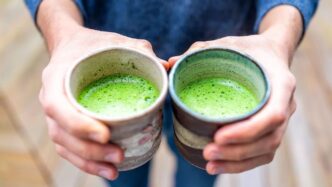

On a typical morning in Uji, a small city near Kyoto famed for producing some of Japan’s finest matcha, the scent of freshly ground green tea once drifted easily through narrow streets. Today, that familiar rhythm has been disrupted. Shelves empty faster than ever, tea masters ration supplies, and longtime customers are often turned away. The reason is not a failed harvest but an unprecedented wave of tourism.

Uji’s connection with matcha dates back more than 800 years. Its climate, soil, and meticulous cultivation methods have made it synonymous with high-quality green tea, used in traditional tea ceremonies and everyday Japanese life. For generations, local families have grown, processed, and sold matcha with a focus on quality rather than volume.
But matcha was never meant to be mass-produced.
Over the last decade, matcha has transformed from a ceremonial drink into a global lifestyle trend. Social media, wellness influencers, and cafés around the world have marketed matcha as a “superfood,” driving demand far beyond Japan’s borders. When international tourism to Japan rebounded after pandemic restrictions, Uji became a must-visit destination for travelers seeking “authentic” matcha experiences.
Tour buses now line streets that once saw mostly locals. Visitors queue for hours to buy tins of powdered tea often purchasing in bulk to take home or resell.
Unlike coffee or black tea, high-grade matcha requires labor-intensive farming. Tea leaves are shaded for weeks, hand-picked, stone-ground, and carefully stored. Production cannot simply be scaled up overnight without compromising quality.
As a result, tea shops in Uji have begun limiting purchases or temporarily closing online sales. Some establishments prioritize long-standing customers, leaving tourists disappointed. Farmers, meanwhile, face pressure to increase output, risking burnout of both land and people.
The matcha shortage highlights a deeper issue: overtourism’s impact on living traditions. Tea ceremonies, once quiet and meditative, are increasingly treated as quick photo opportunities. Local residents report rising rents, congestion, and a loss of the town’s slower pace.
What was once a cultural exchange now feels, to some, like extraction.
Local authorities and tea associations are exploring solutions promoting responsible tourism, educating visitors about seasonal limits, and encouraging purchases of lower-grade matcha for casual consumption. Some shops now explain why supplies are limited, turning scarcity into a lesson in sustainability rather than frustration.
The hope is to preserve Uji’s identity while still welcoming the world.
The question “Who drank all the matcha?” is less about empty shelves and more about how global demand can overwhelm local heritage. Uji’s story serves as a reminder: when traditions are treated as trends, something precious risks being lost.
Matcha, after all, is not just a drink. It is time, patience, and place things that cannot be rushed, no matter how long the line outside the shop.
Originally written by:Marina Wang
Link to the article: https://www.bbc.com/travel/article/20250606-matcha-how-tourism-drained-a-japanese-town