Original news source: https://www.instagram.com/reel/DXEWaabFJqS/?igsh=M3FycDZid2d6emsx
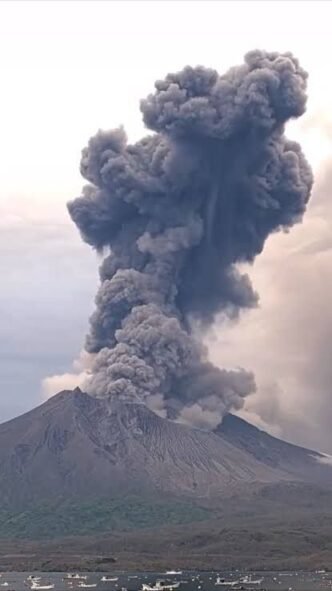
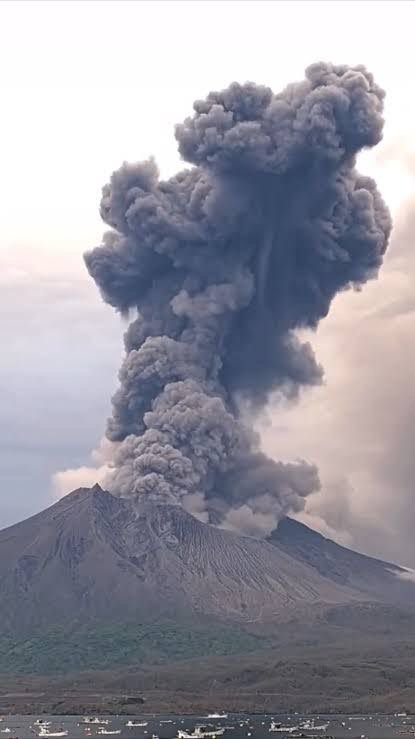
Japan’s highly active Sakurajima Volcano made headlines on April 11 after erupting just after noon, marking its first explosive event of the year. The dramatic eruption sent a towering column of ash soaring up to 3,400 metres into the sky, creating a striking yet concerning scene for residents and authorities in the region.
 WhatsApp Image 2024 07 01 at 13.58.28 4cfca4e0
Located in Kagoshima Prefecture, Sakurajima is one of the country’s most closely monitored volcanoes due to its frequent activity and proximity to populated areas. During the eruption, volcanic debris was observed being hurled up to 1,000 metres away from the crater, highlighting the intensity of the blast.
Authorities quickly issued safety advisories, urging residents to remain cautious, especially in areas close to the volcano. Ashfall can impact visibility, disrupt transportation, and pose health risks, particularly for those with respiratory conditions. Local officials also monitored wind patterns to assess where ash clouds might travel.
Despite the eruption’s scale, there were no immediate reports of injuries or major damage. Japan’s advanced volcanic monitoring systems, managed by the Japan Meteorological Agency, continue to track Sakurajima’s activity closely, ensuring timely alerts and risk assessments.
Sakurajima is no stranger to eruptions. It is part of the Pacific “Ring of Fire,” a region known for intense seismic and volcanic activity. While eruptions like this are not uncommon, each event serves as a reminder of the powerful natural forces shaping the Japanese archipelago.
For now, life in Kagoshima continues with cautious vigilance, as residents remain prepared for any further activity from one of Japan’s most iconic and unpredictable volcanoes.