Originally written by:Koh Ewe
Link to the article: https://www.bbc.com/news/articles/c5yxev9v4nyo
 WhatsApp Image 2024 07 01 at 13.58.28 4cfca4e0
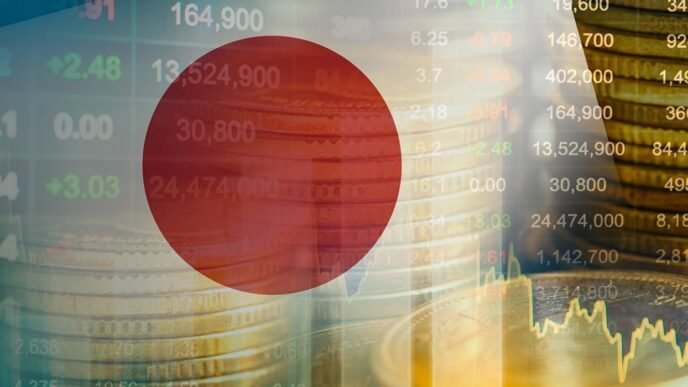
In a decisive move to stabilize the region’s energy landscape, Japan has announced a $10 billion support package aimed at helping Asian nations navigate the ongoing oil crisis. The initiative comes at a time when global energy markets remain volatile, placing significant pressure on import-dependent economies across Asia.
The oil crisis, driven by geopolitical tensions and supply disruptions, has led to rising fuel costs and economic uncertainty worldwide. For many Asian countries particularly those heavily reliant on oil imports the impact has been severe, affecting everything from transportation to manufacturing and household expenses.
Recognizing these challenges, Japan’s financial commitment is designed to provide immediate relief while also strengthening long-term energy resilience.
The $10 billion package is expected to support a range of initiatives, including:
● Emergency financial assistance to stabilize fuel supply chains
● Investment in alternative energy sources such as renewables
● Infrastructure development to improve energy efficiency
● Technical support and policy collaboration for sustainable energy planning
By combining short-term relief with long-term strategy, Japan aims to help countries reduce their dependence on volatile oil markets.
Strengthening Regional Cooperation
This move also reinforces Japan’s leadership role in Asia’s economic and energy security. By extending support to its neighbors, Japan is fostering stronger regional ties and encouraging collaborative solutions to shared challenges.
The initiative aligns with broader efforts by Asian economies to diversify energy sources and invest in cleaner, more sustainable alternatives.
A Strategic and Humanitarian Step
Beyond economics, the pledge reflects a deeper commitment to regional stability. Rising fuel prices often hit the most vulnerable populations hardest, increasing the cost of living and slowing economic growth.
Japan’s intervention is not just about energy it’s about ensuring that communities across Asia can weather the crisis without long-term setbacks.
As the global energy landscape continues to evolve, initiatives like this could play a crucial role in shaping a more resilient and sustainable future. Japan’s $10 billion pledge sets a strong example of how nations can step forward in times of crisis not only to protect their own interests but to support the broader region.
In a world where uncertainty has become the norm, such actions offer a measure of stability and a reminder that cooperation remains one of the most powerful tools in overcoming global challenges.