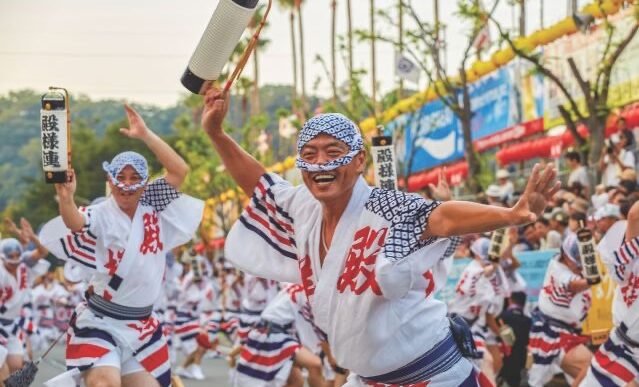
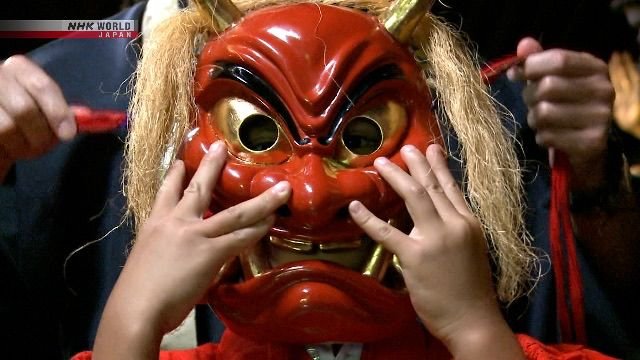
A unique traditional ritual involving children dressed as “demons” recently drew attention at a temple in western Japan, where participants took part in a cultural ceremony believed to promote good health, protection, and well-being.
The event reflects Japan’s long-standing tradition of blending folklore, spirituality, and seasonal customs through temple ceremonies and community festivals.
 WhatsApp Image 2024 07 01 at 13.58.28 4cfca4e0
Such rituals continue to remain an important part of Japanese cultural heritage and local identity.
Traditional Rituals Continue Holding Cultural Importance in Japan
The ceremony featured children participating in symbolic performances connected to Japanese folklore and spiritual beliefs.
The ritual included:
● Demon-inspired costumes
● Traditional temple prayers
● Cultural performances
● Blessing ceremonies
● Community participation
● Seasonal customs
● Health and protection rituals
In many Japanese traditions, symbolic “demons” or spirits are used in rituals meant to ward off bad luck and invite positive energy.
The Event Focused on Good Health and Protection
The ritual was conducted as part of prayers for physical well-being, safety, and prosperity.
Important themes associated with the ceremony included:
● Good health
● Protection from misfortune
● Spiritual cleansing
● Community harmony
● Positive fortune
● Traditional beliefs
● Seasonal renewal
Japanese temple rituals often combine symbolic storytelling with spiritual practices passed down across generations.
Japanese Folklore Continues Influencing Modern Traditions
Folklore remains deeply connected to many local customs and religious events across Japan.
Common cultural elements include:
● Oni (demon) symbolism
● Protective rituals
● Seasonal festivals
● Spiritual purification
● Temple traditions
● Community celebrations
● Historic cultural practices
Although demon imagery may appear frightening, it is frequently used symbolically within Japanese culture rather than negatively.
Temples and Festivals Remain Important Community Spaces
Traditional temples across Japan continue serving as centers for cultural and spiritual activities.
Community temple events often include:
● Prayer ceremonies
● Cultural education
● Seasonal celebrations
● Family participation
● Traditional performances
● Heritage preservation
● Local tourism activities
Such events help younger generations remain connected to historical customs and regional traditions.
Japan Continues Preserving Traditional Cultural Heritage
Japan is internationally known for preserving centuries-old rituals and festivals while balancing modernization.
Cultural preservation efforts include:
● Temple restoration
● Festival promotion
● Traditional arts education
● Folklore storytelling
● Community engagement
● Tourism support
● Heritage awareness programs
Traditional ceremonies continue attracting both domestic visitors and international cultural interest.
Why the Ritual Is Drawing Attention
1. The Ceremony Features Children in Demon Costumes
The symbolic ritual presents a unique blend of folklore and spirituality.
2. The Event Promotes Health and Protection
The ceremony is connected to prayers for well-being and positive fortune.
3. Japanese Traditions Continue Fascinating Global Audiences
Japan’s cultural festivals often attract international attention due to their uniqueness.
4. Cultural Heritage Remains Strong in Japan
Communities continue preserving traditional rituals and local customs.
Frequently Asked Questions (FAQs)
Q: Why were children dressed as demons in the ritual?
A: The demon imagery is symbolic and connected to traditional Japanese folklore and spiritual customs.
Q: What was the purpose of the ceremony?
A: The ritual focused on prayers for good health, protection, and well-being.
Q: Where did the event take place?
A: The ceremony was held at a temple in western Japan.
Q: Are demon rituals common in Japan?
A: Similar symbolic traditions and folklore-based ceremonies are part of many Japanese festivals and temple customs.
Q: Why are such rituals important in Japan?
A: They help preserve cultural heritage, community traditions, and spiritual practices passed down through generations.
Final Word: Japan’s Traditional Rituals Continue Blending Folklore, Culture, and Community
The unique temple ritual involving children dressed as symbolic “demons” highlights Japan’s deep cultural connection to folklore, spirituality, and seasonal traditions.
While the imagery may appear unusual to outsiders, the ceremony reflects longstanding beliefs focused on protection, health, and positive energy within the community.
As Japan continues preserving its rich cultural heritage, such traditional events remain an important bridge between history, spirituality, and modern society.