
If you’ve been tracking global energy markets, you’ve likely noticed rising volatility in oil prices and supply chains. In response, Japan has officially announced the release of additional volumes from its national oil reserves in 2026 an important step aimed at stabilizing domestic fuel prices and strengthening energy security.
This move is not just a short-term fix. It reflects Japan’s broader strategy to navigate global geopolitical tensions, supply disruptions, and fluctuating crude oil demand.
 WhatsApp Image 2024 07 01 at 13.58.28 4cfca4e0
What Is Japan’s National Oil Reserve Policy?
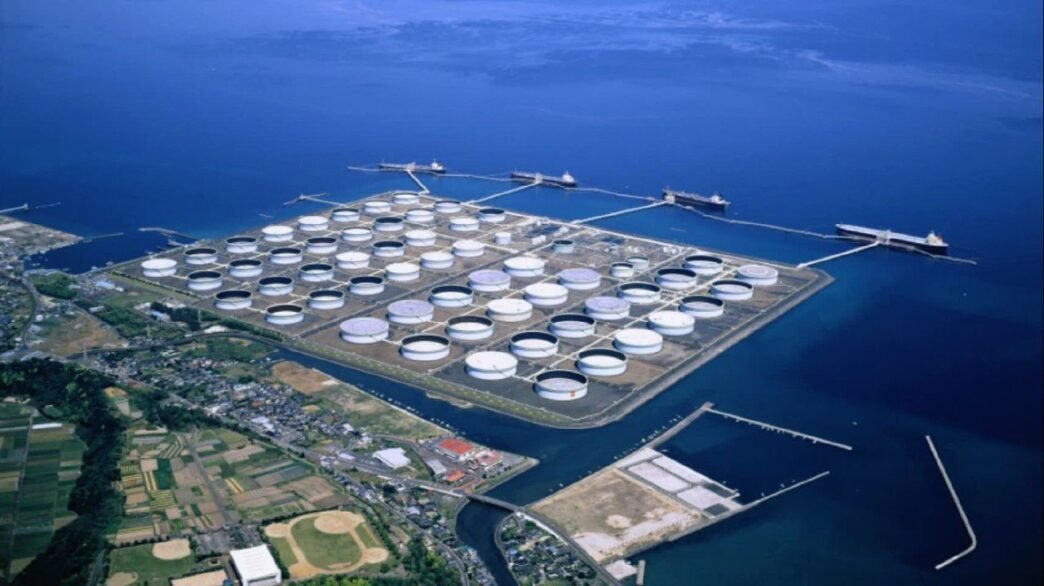
Japan’s national oil reserves are part of a long-standing energy security framework designed to protect the country from supply shocks. As a resource-scarce nation heavily dependent on imported crude oil, Japan maintains one of the largest strategic petroleum reserves in the world.
These reserves include:
- Government-controlled strategic reserves
- Private sector mandatory reserves held by oil companies
- Joint stockpiles with oil-producing nations
The system ensures that Japan can maintain stable energy access even during global crises such as geopolitical conflicts or supply chain disruptions.
Why Is Japan Releasing Additional Oil Reserves in 2026?
1. Rising Global Oil Price Volatility
Ongoing geopolitical tensions and production cuts in major oil-producing regions have created uncertainty in global markets. By releasing reserves, Japan aims to cushion the impact of sudden price spikes on its economy.
2. Domestic Fuel Price Stabilization
Fuel costs directly affect transportation, manufacturing, and daily living expenses. The reserve release is intended to prevent sharp increases in petrol and diesel prices for consumers and businesses.
3. Coordinated International Efforts
Japan’s move aligns with broader actions by major economies under international energy cooperation frameworks. Coordinated releases help stabilize global oil supply and reduce panic-driven price surges.
Key Highlights of the 2026 Oil Reserve Release
| Detail | Information |
| Policy Action | Additional release of national oil reserves |
| Purpose | Stabilize fuel prices and ensure supply |
| Trigger | Global supply uncertainty & price volatility |
| Beneficiaries | Domestic consumers, industries, transport sector |
| Strategy Type | Short-term intervention with long-term implications |
| Coordination | Likely aligned with global energy partners |
How This Impacts Japan’s Economy
1. Protection Against Inflation
By controlling fuel prices, Japan can limit inflationary pressure across multiple sectors, including logistics and manufacturing.
2. Support for Businesses
Industries reliant on fuel such as aviation, shipping, and heavy manufacturing benefit from price stability, enabling smoother operations and planning.
3. Consumer Relief
Lower volatility in fuel prices translates to reduced cost burdens for households, especially in transportation and electricity.
Strategic Importance of Oil Reserves for Japan
Japan imports nearly all of its crude oil, primarily from the Middle East. This dependency makes strategic reserves essential for national security.
The 2026 release highlights:
- Japan’s proactive risk management approach
- Its readiness to act during global disruptions
- The importance of energy diversification strategies
Long-Term Energy Strategy: Beyond Oil
While oil reserves play a crucial role today, Japan is simultaneously investing in:
- Renewable energy (solar, wind, hydrogen)
- Nuclear energy restarts
- Energy efficiency technologies
- Alternative fuels and green hydrogen
This dual approach of short-term oil stability and long-term sustainability defines Japan’s evolving energy roadmap.
Global Context: Why This Move Matters
Japan’s decision is significant not just domestically but globally. As one of the world’s largest energy importers:
- Its actions influence global oil demand patterns
- It contributes to stabilizing international markets
- It sets a precedent for coordinated energy responses
Frequently Asked Questions (FAQs)
Why does Japan maintain large oil reserves?
To ensure energy security and protect against supply disruptions due to geopolitical or economic crises.
Will this reduce fuel prices in Japan immediately?
It helps stabilize prices and prevent sharp increases, though exact pricing depends on global market conditions.
Is this a one-time release?
It is part of a strategic response and may be adjusted based on future market conditions.
Does Japan coordinate with other countries for such releases?
Yes, often through international energy cooperation frameworks to maximize global impact.
Is Japan moving away from oil completely?
Not immediately. Japan is gradually transitioning to renewable energy while maintaining oil as a critical short-term resource.
Final Word: A Calculated Move in a Volatile Energy Landscape
Japan’s decision to release additional national oil reserves in 2026 is a calculated and strategic move not a reactive one. It reflects the country’s deep understanding of global energy dynamics and its commitment to protecting both its economy and its people.
In a world where energy security is becoming increasingly complex, Japan is balancing immediate stability with long-term transformation making this policy decision both timely and forward-looking.
Source: https://www.nippon.com/en/news/yjj2026050100806/