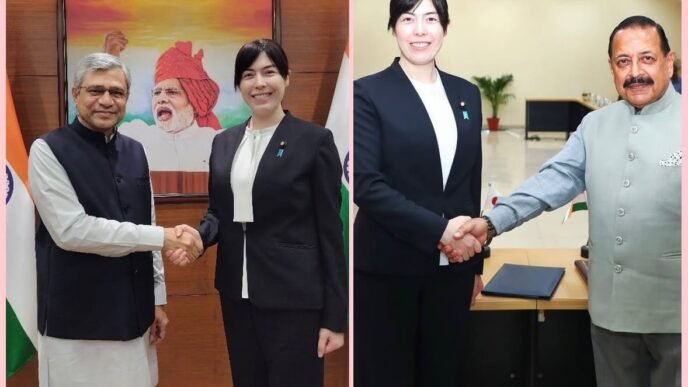
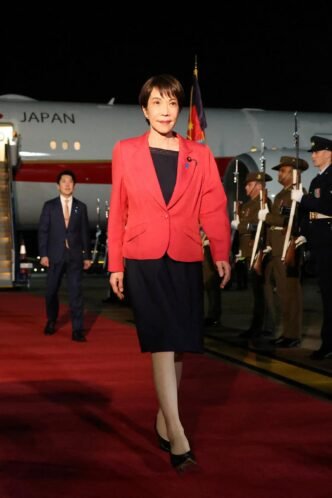
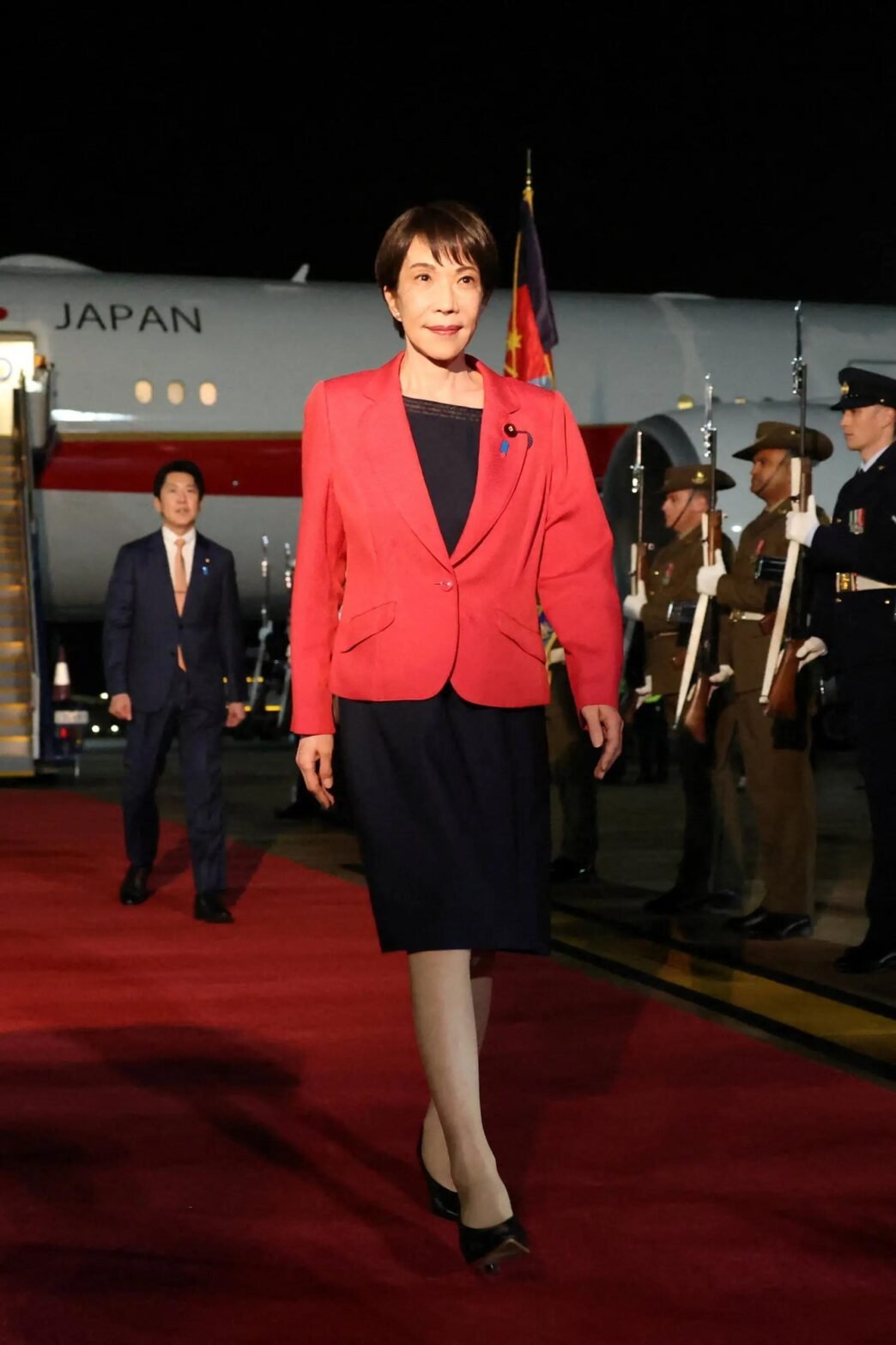
Japanese Prime Minister Sanae Takaichi has launched a major diplomatic tour across Asia, positioning Japan as a pillar of stability amid growing geopolitical uncertainty, regional tensions, and economic disruptions.
During high-profile visits to Vietnam and Australia, Takaichi emphasized stronger regional partnerships, supply chain resilience, maritime security, and economic cooperation under Japan’s revamped Indo-Pacific strategy.
 WhatsApp Image 2024 07 01 at 13.58.28 4cfca4e0
The diplomatic mission comes at a time when Asian nations are navigating rising tensions involving China, uncertainty in global trade, and evolving security challenges across the Indo-Pacific region.
Japan Pushes New Indo-Pacific Vision
Speaking in Hanoi, Takaichi outlined Japan’s updated “Free and Open Indo-Pacific” strategy, promising a “more proactive” Japanese role in maintaining regional peace and stability.
The Japanese leader stressed the importance of:
● Secure and diversified supply chains
● Maritime security cooperation
● Critical technology partnerships
● Infrastructure development
● Economic resilience
● Defense collaboration among democratic nations
According to Japanese officials, the new strategy aims to strengthen partnerships throughout Asia while ensuring regional stability in the face of increasing geopolitical competition.
The tour is widely viewed as one of the most significant diplomatic initiatives of Takaichi’s leadership since becoming Japan’s first female prime minister.
Analysts say the trip serves multiple strategic purposes:
● Reassuring Asian allies
● Expanding Japan’s regional influence
● Countering growing Chinese influence
● Strengthening economic security partnerships
● Reinforcing Japan’s role within the Indo-Pacific alliance system
The visits also highlight Tokyo’s intention to deepen ties with Southeast Asian nations and strategic partners like Australia amid rising regional uncertainty.
| Detail | Information |
| Japanese Leader | Sanae Takaichi |
| Main Focus | Regional stability and Indo-Pacific cooperation |
| Key Countries Visited | Vietnam and Australia |
| Main Topics | Security, trade, supply chains, maritime cooperation |
| Strategic Goal | Strengthening Japan’s regional leadership |
| Global Context | Rising geopolitical tensions in Asia |
Rising Concerns Over Regional Security
Takaichi’s diplomatic push comes amid heightened tensions in East Asia involving:
● China’s growing military activity
● Taiwan-related security concerns
● Trade and technology competition
● Strategic rivalry in the Indo-Pacific region
The Japanese prime minister has repeatedly warned about regional instability and called for stronger coordination among democratic nations in Asia.
Her government is also seeking to modernize Japan’s defense posture and strengthen partnerships with countries that share concerns over maritime security and economic coercion.
Vietnam Emerges as Key Strategic Partner
During her Vietnam visit, Takaichi met senior Vietnamese leaders and highlighted the growing importance of Japan-Vietnam cooperation.
The discussions reportedly focused on:
● Technology collaboration
● Infrastructure investment
● Semiconductor supply chains
● Defense cooperation
● Maritime security
● Economic resilience
Experts say Vietnam has become one of Japan’s most important regional partners because of its strategic location and rapidly growing economy.
Australia Partnership Gains Momentum
After Vietnam, Takaichi traveled to Australia to reinforce defense and economic ties between the two countries.
Japan and Australia are increasingly cooperating on:
● Critical minerals
● Energy security
● Defense partnerships
● Indo-Pacific stability
● Regional deterrence strategies
The strengthening partnership reflects broader efforts among Indo-Pacific democracies to coordinate responses to emerging regional challenges.
Political analysts believe Takaichi’s leadership signals a more assertive Japan on the global stage.
Under her administration, Japan has:
● Expanded security partnerships
● Increased defense discussions
● Prioritized economic security
● Strengthened ties with regional allies
● Taken a firmer stance on geopolitical risks
Her election victory earlier this year provided a strong political mandate for these policy shifts.
Why This Tour Matters Globally
1. Reinforces Japan’s Leadership Role
Japan is positioning itself as a stabilizing force in Asia during a period of uncertainty.
2. Strengthens Indo-Pacific Partnerships
The tour deepens strategic relationships with major regional partners.
3. Signals Long-Term Regional Strategy
Tokyo is increasingly focused on economic security and defense cooperation.
4. Counters Geopolitical Instability
The initiative reflects growing concerns about regional tensions and supply chain vulnerabilities.
Frequently Asked Questions (FAQs)
Q: Who is Japan’s current prime minister?
A: Japan’s current prime minister is Sanae Takaichi, the country’s first female leader.
Q: Which countries did Takaichi visit during her Asia tour?
A: She visited Vietnam and Australia as part of her diplomatic mission.
Q: What was the main goal of the tour?
A: The tour focused on promoting regional stability, economic cooperation, and Indo-Pacific security partnerships.
Q: Why is Japan updating its Indo-Pacific strategy?
A: Japan aims to strengthen regional cooperation amid growing geopolitical and economic challenges.
Q: Why is the Indo-Pacific region important?
A: The Indo-Pacific is one of the world’s most strategically important regions for trade, security, and global economic growth.
Final Word: Japan Seeks Bigger Regional Role Amid Global Uncertainty
Prime Minister Sanae Takaichi’s Asia tour reflects Japan’s growing ambition to shape the future of the Indo-Pacific region.
As geopolitical tensions continue to reshape Asia’s political and economic landscape, Tokyo is positioning itself as a key partner for stability, security, and cooperation.
The diplomatic initiative signals that Japan intends to play a larger and more proactive role in regional affairs not only economically, but strategically as well.
Source: https://www.nytimes.com/2026/05/06/world/asia/japan-takaichi-australia-vietnam.html