

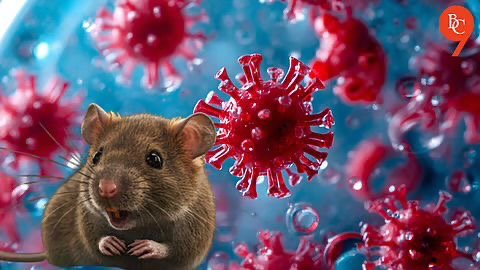
Japan’s health ministry has reassured the public that the risk of hantavirus spreading between humans remains extremely low, following renewed concerns surrounding reported infections and growing awareness about rodent-borne diseases.
Health officials emphasized that hantavirus infections are primarily transmitted through exposure to infected rodents, their droppings, urine, or saliva, rather than direct person-to-person contact.
 WhatsApp Image 2024 07 01 at 13.58.28 4cfca4e0
The ministry’s statement comes amid increased monitoring efforts and public attention toward infectious diseases across Asia and other parts of the world.
Hantavirus refers to a group of viruses typically carried by rodents.
Humans can become infected after:
● Breathing contaminated air particles
● Contact with rodent waste
● Touching contaminated surfaces
● Rare exposure through rodent bites
According to health experts, the virus does not generally spread easily between people under normal circumstances.
Certain strains found in South America have shown limited human-to-human transmission in rare cases, but such incidents remain uncommon globally.
Health Ministry Says Human Transmission Risk Is Low
Japanese health authorities stated that available scientific evidence indicates the likelihood of widespread human transmission is very low.
Officials stressed that:
● Most infections originate from rodents
● No signs of sustained human spread have been identified
● Public health systems are actively monitoring cases
● Preventive hygiene measures remain effective
The ministry also urged the public not to panic while continuing to follow basic sanitation and rodent-control practices.
Common Symptoms of Hantavirus Infection
Health experts say hantavirus symptoms may initially resemble influenza or other viral illnesses.
Common symptoms include:
● Fever
● Fatigue
● Muscle aches
● Headaches
● Chills
● Nausea
● Abdominal pain
In severe cases, some patients may develop breathing difficulties and serious lung complications requiring hospitalization.
Medical professionals advise seeking immediate treatment if symptoms worsen after potential rodent exposure.
| Transmission Source | Risk Level |
| Contact with infected rodents | High |
| Rodent urine or droppings | High |
| Human-to-human transmission | Very low |
| Casual public interaction | Extremely low |
Authorities Encourage Preventive Measures
Health officials are encouraging residents to maintain clean environments and reduce exposure to rodents.
Recommended precautions include:
● Sealing food containers properly
● Cleaning rodent-infested areas carefully
● Wearing masks and gloves during cleanup
● Avoiding direct contact with wild rodents
● Improving home sanitation
Experts also advise avoiding sweeping dry rodent waste directly, as virus particles may become airborne.
Public Health Monitoring Intensifies
The health ministry confirmed that infectious disease surveillance systems remain active and that authorities are closely tracking developments involving hantavirus and other emerging diseases.
Governments across Asia have increased attention toward public health preparedness following recent experiences with global outbreaks and pandemic-related challenges.
Officials emphasized that transparent communication and early monitoring remain essential for preventing misinformation and unnecessary public fear.
Why the Situation Is Being Closely Watched
1. Growing Public Awareness of Infectious Diseases
People are increasingly alert to disease outbreaks after recent global health crises.
2. Rodent-Borne Illnesses Can Be Serious
Although rare, hantavirus infections can become severe without timely medical care.
3. Authorities Aim to Prevent Panic
Officials are working to clarify that human transmission remains highly uncommon.
4. Hygiene and Prevention Remain Effective
Simple sanitation measures significantly reduce infection risk.
Frequently Asked Questions (FAQs)
Q: Can hantavirus spread between humans?
A: Health experts say human-to-human transmission is extremely rare and considered low risk.
Q: How do people usually get hantavirus?
A: Most infections occur through contact with infected rodents or contaminated rodent waste.
Q: What are the symptoms of hantavirus?
A: Symptoms may include fever, fatigue, headaches, muscle pain, nausea, and breathing difficulties.
Q: Is hantavirus common in Japan?
A: Hantavirus infections are relatively rare, but health authorities continue monitoring cases carefully.
Q: How can people protect themselves?
A: Maintaining hygiene, controlling rodent exposure, and cleaning contaminated areas safely are key preventive steps.
Final Word: Officials Urge Calm as Monitoring Continues
Japan’s health ministry has made clear that the risk of hantavirus spreading widely between humans remains very low.
While authorities continue monitoring infections and strengthening disease surveillance, experts say the public should focus on prevention, sanitation, and awareness rather than fear.
The situation highlights the importance of public health preparedness and accurate communication in managing concerns surrounding infectious diseases in today’s interconnected world.
Source: https://www.japantimes.co.jp/news/2026/05/07/japan/science-health/hantavirus-health-ministry/