
Japan is home to thousands of rivers flowing through mountains, forests, plains, and major cities. These waterways have played a vital role in the country’s agriculture, transportation, culture, and natural ecosystems for centuries.
From the powerful Shinano River to the crystal-clear Shimanto River, here are Japan’s 10 longest rivers ranked by length.
 WhatsApp Image 2024 07 01 at 13.58.28 4cfca4e0
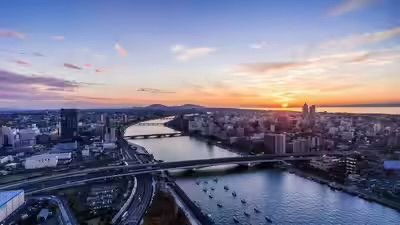
The Shinano River is the longest river in Japan, flowing through Nagano Prefecture and Niigata Prefecture before reaching the Sea of Japan.
Known for its importance in farming and flood control, the river supports large agricultural areas and several cities.
Highlights:
● Longest river in Japan
● Important for rice farming
● Popular for fishing and sightseeing
Often called the “Bandō Tarō,” the Tone River is one of Japan’s most historically significant rivers. It flows across the Kantō region near Tokyo.
The river has been central to irrigation, flood prevention, and water supply systems for centuries.
Highlights:
● Vital water source for Tokyo region
● Major role in flood management
● Historic economic importance
Located in Hokkaido, the Ishikari River is the island’s longest river and flows through vast natural landscapes and farmland.
The river is famous for its scenic beauty, especially during winter and autumn.
Highlights:
● Longest river in Hokkaido
● Rich wildlife ecosystem
● Scenic seasonal landscapes
The Kitakami River flows through northeastern Japan and is known for beautiful cherry blossom scenery along its banks.
It has historically supported trade and transportation in the Tōhoku region.
Highlights:
● Famous cherry blossom views
● Important regional waterway
● Rich historical significance
The Kiso River runs through central Japan and forms part of the famous Kiso Three Rivers system.
Its mountainous surroundings make it popular for outdoor tourism and photography.
Highlights:
● Part of Kiso Three Rivers
● Scenic mountain views
● Popular tourist destination
Known for its fast-flowing waters, the Tenryu River passes through dramatic valleys and gorges.
River cruises and rafting activities attract many visitors every year.
Highlights:
● Adventure tourism hotspot
● Scenic river cruises
● Strong currents and deep valleys
The Agano River is known for its beautiful rural scenery and fishing culture.
It flows through mountainous regions before reaching the Sea of Japan.
Highlights:
● Traditional fishing culture
● Peaceful countryside landscapes
● Important ecosystem
The Mogami River is celebrated in Japanese poetry and literature for its natural beauty.
Boat tours along the river are especially popular during autumn foliage season.
Highlights:
● Famous in Japanese literature
● Autumn tourism destination
● Traditional river cruises
Flowing through the Kansai region, the Yodo River supports major urban areas including Osaka.
The river remains essential for transportation, water supply, and recreation.
Highlights:
● Supports Osaka metropolitan area
● Urban recreational spaces
● Historically important trade route
Often called “Japan’s last clear stream,” the Shimanto River is famous for its exceptionally clean water and untouched natural environment.
It attracts nature lovers, kayakers, and eco-tourists from across Japan.
Highlights:
● Known for crystal-clear water
● Minimal dam development
● Popular eco-tourism destination
Japan’s rivers are essential for:
● Agriculture and irrigation
● Hydroelectric power
● Transportation
● Tourism
● Ecosystem preservation
● Cultural traditions
Many rivers also appear in Japanese poetry, folklore, and traditional art.
Frequently Asked Questions (FAQs)
Q: What is the longest river in Japan?
A: The Shinano River is the longest river in Japan at 367 kilometers.
Q: Which river is called Japan’s clearest river?
A: The Shimanto River is often called Japan’s clearest river.
Q: Which river flows near Tokyo?
A: The Tone River flows through the Kantō region near Tokyo.
Q: Which is the longest river in Hokkaido?
A: The Ishikari River is Hokkaido’s longest river.
Q: Why are rivers important in Japan?
A: Rivers support agriculture, drinking water, transportation, tourism, and natural ecosystems across the country.
Final Word: Lifelines of Japan’s Landscape
From mountain valleys to major cities, Japan’s rivers shape the nation’s geography, economy, and cultural identity.
Whether it is the massive Shinano River or the pristine Shimanto River, these waterways continue to remain among Japan’s most valuable natural treasures.