
Japan and South Korea are preparing for another high-level summit as leaders from both countries continue efforts to improve bilateral relations and regional cooperation.
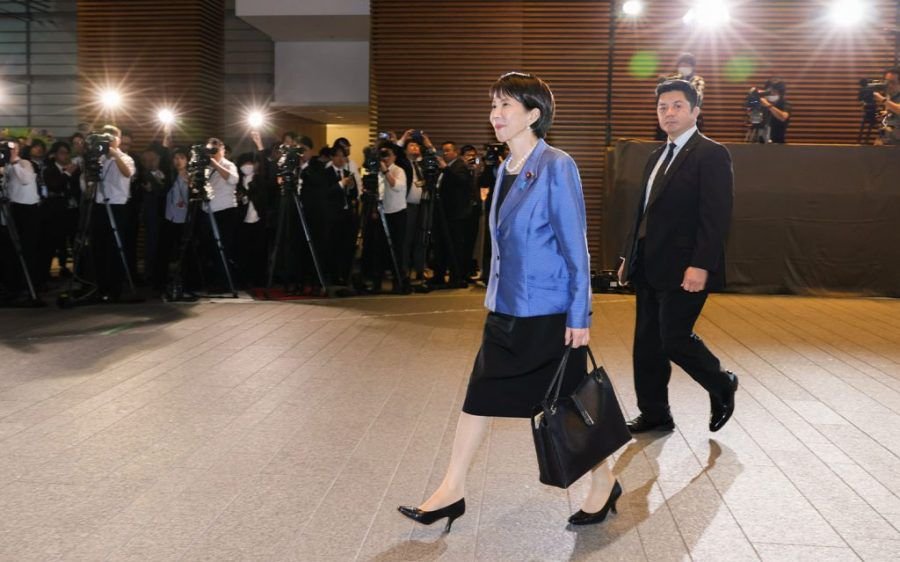
Japanese Prime Minister Sanae Takaichi is expected to meet South Korean President Lee Jae-myung during a two-day diplomatic visit focused on economic security, regional stability, and future-oriented cooperation.
 WhatsApp Image 2024 07 01 at 13.58.28 4cfca4e0
The summit reflects ongoing efforts by both nations to strengthen ties despite historical tensions and growing geopolitical challenges in East Asia.
Japan and South Korea Continue “Shuttle Diplomacy”
The planned meeting is part of a broader diplomatic strategy often referred to as “shuttle diplomacy.”
This approach involves:
- Reciprocal leader visits
- Regular bilateral summits
- Economic coordination
- Security cooperation
- Cultural exchanges
- Regional policy discussions
Both governments view continued dialogue as essential for maintaining stability and cooperation in the Indo-Pacific region.
Economic Security Is Expected to Be a Major Topic
Japan and South Korea are increasingly coordinating on economic security issues.
Discussions are expected to include:
- Supply chain resilience
- Semiconductor cooperation
- Technology partnerships
- Trade stability
- Regional investment
- Energy security
- Critical minerals access
Growing geopolitical uncertainty in Asia has pushed both countries to strengthen economic coordination.
Regional Tensions Are Influencing Diplomacy
The summit comes amid rising regional tensions involving:
- China-Japan relations
- Taiwan security concerns
- North Korean missile developments
- Indo-Pacific strategic competition
- U.S.-Asia alliances
Analysts believe both countries are seeking stronger cooperation while balancing relations with major global powers.
Japan and South Korea continue to view regional stability as increasingly important for economic and security reasons.
Historical Issues Still Shape Relations
Japan and South Korea share a complex historical relationship linked to Japan’s colonial rule of Korea before World War II.
Sensitive issues have included:
- Wartime labor disputes
- Historical recognition debates
- Territorial disagreements
- Compensation discussions
- Cultural sensitivities
While these topics remain important, recent summits have focused more heavily on practical cooperation and future-oriented relations.
Cultural Diplomacy Is Playing a Bigger Role
Recent meetings between the two leaders have also highlighted cultural diplomacy.
Previous exchanges included:
- Cultural heritage visits
- Public friendship gestures
- Joint appearances
- K-pop cultural references
- Tourism promotion
- Youth exchange discussions
Observers say these softer diplomatic approaches help improve public perceptions between both countries.
Japan and South Korea Are Expanding Cooperation
The two countries increasingly cooperate in areas such as:
- Artificial intelligence
- Defense coordination
- Technology industries
- Trade partnerships
- Tourism
- Academic exchanges
- Regional diplomacy
Both governments see closer ties as beneficial for economic growth and regional stability.
Why the Summit Matters Internationally
The Japan-South Korea relationship is considered strategically important for the broader Indo-Pacific region.
International attention remains focused on:
- U.S.-Japan-South Korea coordination
- China’s regional influence
- Economic supply chains
- Security partnerships
- Maritime stability
- Global semiconductor markets
Stronger ties between Tokyo and Seoul are viewed as increasingly important amid changing geopolitical dynamics.
The Economic Impact of Improved Relations
Closer cooperation between Japan and South Korea could influence:
- Bilateral trade
- Technology investment
- Tourism growth
- Semiconductor industries
- Manufacturing partnerships
- Regional business confidence
- Energy cooperation
- Cultural industries
Both countries are major economic powers in Asia with globally influential industries.
Why Japan-South Korea Relations Continue Evolving
1. Regional Security Challenges Are Increasing
Both nations face growing geopolitical and security concerns.
2. Economic Cooperation Has Become Essential
Supply chains and technology industries require stronger coordination.
3. Cultural Exchanges Improve Public Relations
Soft diplomacy helps strengthen mutual understanding.
4. Asia’s Strategic Landscape Is Changing
Both countries are adapting to evolving regional dynamics.
Frequently Asked Questions (FAQs)
Q: Why are Japan and South Korea holding another summit?
A: The leaders aim to strengthen cooperation on economic security, regional stability, and diplomatic relations.
Q: What is shuttle diplomacy?
A: Shuttle diplomacy refers to reciprocal visits and regular meetings between national leaders.
Q: What topics are expected at the summit?
A: Economic security, regional affairs, trade, technology cooperation, and geopolitical issues are expected to be discussed.
Q: Why are Japan-South Korea relations important globally?
A: Both countries are major Asian economies and key regional security partners.
Q: Are historical tensions still affecting relations?
A: Yes, historical issues remain sensitive, though recent diplomacy has focused more on future cooperation.
Final Word: Japan and South Korea Seek a More Stable Future
As geopolitical tensions continue shaping Asia’s future, Japan and South Korea are increasingly prioritizing cooperation, economic security, and diplomatic engagement.
The latest summit between Sanae Takaichi and Lee Jae-myung reflects a broader effort to build stronger regional partnerships while managing historical complexities.
With security, trade, and regional stability becoming more interconnected, both countries appear committed to maintaining closer dialogue and expanding future cooperation.