



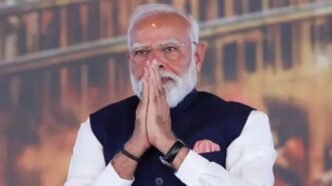
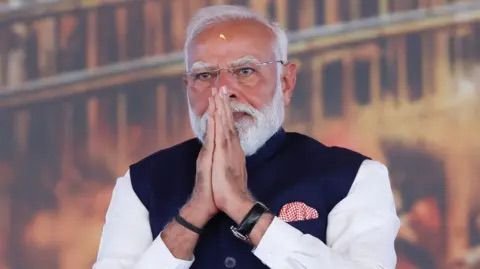
India’s rising gold imports and increasing overseas travel spending have become major economic concerns for the government.
Prime Minister Narendra Modi and policymakers are encouraging citizens to invest more within India instead of spending heavily on imported gold and international tourism.
 WhatsApp Image 2024 07 01 at 13.58.28 4cfca4e0
The concern is largely connected to India’s trade deficit, pressure on the rupee, and the need to strengthen domestic economic growth.
Today, gold buying and outbound tourism are not only lifestyle trends but also significant economic factors affecting the country’s financial stability.
Why Gold Purchases Concern the Government
India is one of the world’s largest consumers of gold.
Gold remains deeply connected to:
- Weddings
- Festivals
- Family savings
- Cultural traditions
- Investment habits
- Rural wealth storage
However, most of the gold India consumes is imported from other countries.
Large-scale gold imports increase:
- Foreign exchange outflow
- Trade deficit pressure
- Dependence on imports
- Pressure on the Indian rupee
- Current account imbalance
When Indians buy imported gold, billions of dollars leave the Indian economy annually.
The government believes reducing excessive gold imports can help strengthen India’s financial position.
Foreign Holidays Are Increasing Dollar Outflow
International travel by Indian tourists has grown rapidly in recent years.
Indians are increasingly spending money abroad on:
- Luxury shopping
- Hotels and resorts
- Entertainment
- Food and dining
- Tourism packages
- International education travel
- Medical tourism
- Family vacations
While tourism growth reflects rising incomes, it also increases the outflow of foreign currency from India.
When millions of Indians spend heavily overseas, demand for foreign currencies such as the US dollar rises further.
This can contribute to:
- Rupee depreciation
- Foreign exchange pressure
- Wider trade imbalances
- Increased external spending
The government wants more domestic tourism spending to remain inside the Indian economy.
The Government Wants More Domestic Investment
Economic policymakers believe Indian household savings should move toward productive investments instead of imported assets.
The government has encouraged alternatives such as:
- Mutual funds
- Stock market investments
- Infrastructure bonds
- Digital financial products
- Manufacturing investments
- Startup investments
- Domestic business growth
The broader goal is to channel household wealth into sectors that generate:
- Jobs
- Manufacturing growth
- Economic expansion
- Tax revenue
- Infrastructure development
Gold is often viewed as a “passive asset” because it does not directly create productive economic activity.
“Vocal for Local” and Domestic Tourism
The Modi government has consistently promoted campaigns supporting Indian products and domestic tourism.
Initiatives encouraging citizens to explore Indian destinations aim to:
- Boost local businesses
- Support hotels and transport sectors
- Create employment opportunities
- Promote regional economies
- Strengthen tourism infrastructure
Domestic tourism spending helps circulate money within the national economy rather than sending it abroad.
India’s tourism sector has become an important part of economic growth and employment generation.
Gold Has Cultural Importance in India
Despite government concerns, gold continues to hold strong emotional and cultural significance across India.
Gold is commonly associated with:
- Marriage traditions
- Religious ceremonies
- Financial security
- Family wealth
- Social status
- Long-term savings
In many rural and middle-class households, gold is still considered a safer and more trusted investment than financial markets.
As a result, reducing gold demand remains a difficult challenge for policymakers.
Economic Pressures Behind the Messaging
The push to reduce gold imports and overseas spending is linked to broader economic concerns, including:
- Rising import bills
- Global oil prices
- Currency volatility
- Trade deficit management
- Foreign reserve protection
- Global economic uncertainty
Governments often encourage domestic spending during periods of global financial pressure to stabilize national economic conditions.
India Wants Stronger Manufacturing Growth
A major part of Modi’s economic vision focuses on expanding India’s manufacturing sector.
Programs like:
- Make in India
- Production-linked incentives (PLI)
- Startup India
- Digital India
aim to reduce dependence on imports and strengthen domestic industries.
Encouraging Indians to spend more within the country aligns with these broader economic goals.
Why the Debate Continues
Many economists and citizens have mixed opinions on the issue.
Some believe:
- Reducing imports improves economic stability
- Domestic tourism strengthens local businesses
- Productive investments support growth
Others argue:
- Personal spending choices should remain individual decisions
- Gold provides financial security during uncertainty
- International travel supports global exposure and experiences
The discussion reflects the balance between personal financial freedom and national economic priorities.
The Economic Impact of Gold and Overseas Spending
Gold imports and foreign tourism significantly influence India’s economy through:
- Foreign currency demand
- Import expenditure
- Banking liquidity
- Savings patterns
- Consumer spending trends
- Tourism revenue flows
- Currency stability
- Investment behavior
Economic policymakers continue searching for ways to balance growth, consumer freedom, and financial stability.
Why These Trends Matter for India’s Future
1. India Imports Large Quantities of Gold
Heavy imports increase pressure on foreign exchange reserves.
2. Overseas Spending Sends Money Outside India
Foreign holidays contribute to higher dollar outflows.
3. Domestic Investment Supports Economic Growth
Local investments can create jobs and strengthen industries.
4. Tourism Can Boost Regional Economies
Domestic travel supports businesses and employment across India.
Frequently Asked Questions (FAQs)
Why does the Indian government want people to buy less gold?
Large gold imports increase foreign exchange outflow and contribute to India’s trade deficit.
Why are foreign holidays considered an economic concern?
Spending abroad increases demand for foreign currencies and sends money outside the Indian economy.
Is the government banning gold purchases or foreign travel?
No, the government is mainly encouraging more domestic investment and spending within India.
Why is gold still popular in India?
Gold is deeply connected to Indian culture, weddings, savings traditions, and financial security.
How can domestic spending help India’s economy?
Spending within India supports local businesses, tourism, jobs, and economic growth.
Final Word: Economic Nationalism Is Shaping Spending Conversations
India’s growing focus on economic self-reliance has increased attention on how citizens spend, save, and invest money.
From gold imports to foreign holidays, the government sees consumer behavior as closely connected to national economic strength.
As India continues balancing growth, global integration, and financial stability, debates around spending habits, imports, and domestic investment are likely to remain an important part of the country’s economic conversation.












Japan-South Korea Summit Talks Aim to Strengthen Regional Cooperation: https://cijtoday.com/japan-south-korea-summit-talks-aim-to-strengthen-regional-cooperation/