Japan is experiencing a shortage of its famous “Monster Wolf” robots as increasing bear sightings and attacks drive growing demand for high-tech wildlife deterrent systems across rural communities.
The robotic wolves, designed to scare away wild animals using flashing lights, sounds, and intimidating movements, have become increasingly popular in areas facing repeated bear encounters.
 WhatsApp Image 2024 07 01 at 13.58.28 4cfca4e0
Local governments and farming communities are now racing to secure additional units as concerns over public safety continue rising.
“Monster Wolf” Robots Gain Attention Across Japan
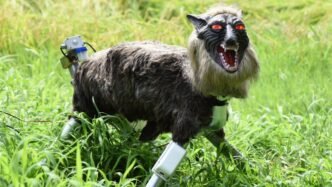
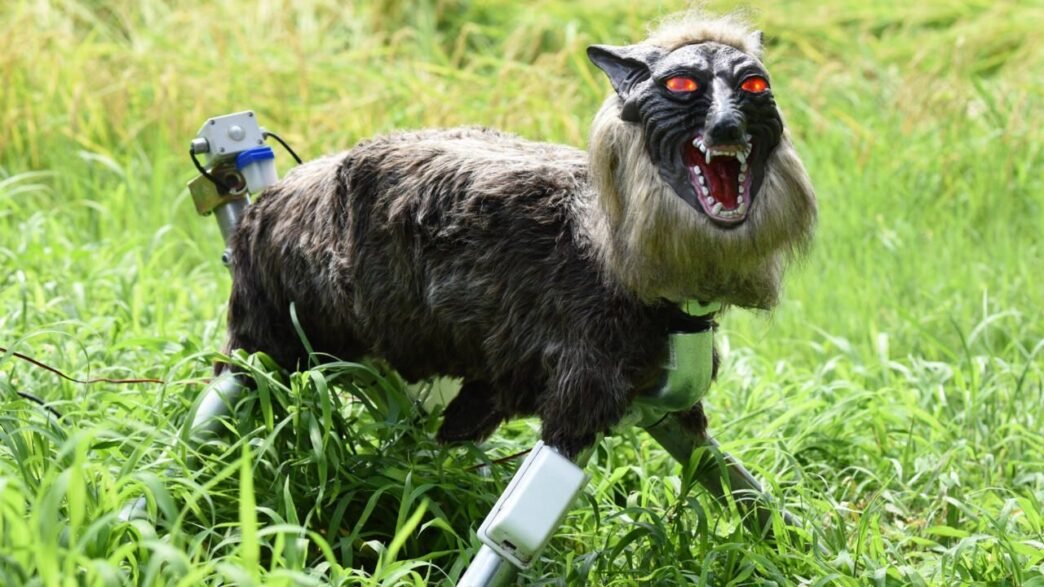
The “Monster Wolf” robot has become one of Japan’s most unusual and innovative wildlife protection technologies.
The robotic system typically features:
● Wolf-like appearance
● Flashing LED eyes
● Loud warning sounds
● Motion detection sensors
● Automated activation
● Scary visual effects
● Animal deterrent functions
The machines are designed to frighten away bears, wild boars, deer, and other animals before they approach farms or residential areas.
The technology has drawn international attention for combining robotics with wildlife management.
Bear Sightings and Attacks Continue Increasing
Japan has experienced a noticeable increase in bear encounters in recent years.
Several factors are believed to contribute to the rise, including:
● Habitat disruption
● Food shortages in forests
● Climate-related environmental changes
● Expanding human activity
● Rural population decline
● Changing seasonal patterns
● Increased wildlife movement
Many rural areas have reported more frequent sightings near homes, schools, roads, and agricultural land.
Authorities continue urging residents to remain cautious in regions known for bear activity.
Rural Communities Seek Better Wildlife Protection
Farming communities and smaller towns are increasingly adopting technology-based solutions to improve safety.
Communities are using:
● Robotic deterrents
● Motion sensor systems
● Warning alarms
● Surveillance cameras
● Wildlife monitoring tools
● Safety patrols
● Public awareness campaigns
The “Monster Wolf” robot has become particularly popular because it provides automated protection without requiring constant human supervision.
Japan Combines Technology With Rural Safety
Japan has increasingly used robotics and smart technology to address social and environmental challenges.
The country already applies advanced technology in areas such as:
● Agriculture
● Elderly care
● Disaster prevention
● Transportation
● Security systems
● Environmental monitoring
● Wildlife management
The robotic wolf project reflects Japan’s broader interest in practical innovation for rural communities.
Demand Outpaces Supply of Robotic Wolves
Manufacturers reportedly face difficulty meeting rising demand for the devices.
The shortage is being driven by:
● Increased bear incidents
● Expanding municipal orders
● Rural safety concerns
● Media attention
● Agricultural protection needs
● Public awareness growth
● Interest from multiple regions
Some local governments are reportedly waiting months for new units to become available.
Wildlife Safety Remains a Major Concern
Bear encounters can create serious risks for residents, tourists, and farmers.
Authorities continue promoting safety measures such as:
● Avoiding isolated forest areas
● Carrying warning devices
● Securing food waste
● Monitoring wildlife alerts
● Traveling cautiously in mountain regions
● Reporting animal sightings
● Following official guidance
Japan’s northern and mountainous regions are especially vulnerable to wildlife encounters.
Technology-Based Animal Deterrents Continue Expanding
Beyond robotic wolves, Japan and other countries are exploring additional wildlife deterrent technologies.
These include:
● AI-powered monitoring systems
● Smart fences
● Drone surveillance
● Sound-based deterrents
● Thermal imaging systems
● Automated warning devices
● Wildlife tracking networks
The growing use of technology reflects increasing global concern over human-wildlife conflict.
Why the “Monster Wolf” Robot Is Drawing Attention
1. Japan Is Using Robotics for Wildlife Protection
The technology combines automation with rural safety efforts.
2. Bear Encounters Are Increasing
Communities are searching for effective deterrent systems.
3. Rural Areas Need Low-Maintenance Solutions
Automated systems help protect farms and neighborhoods continuously.
4. The Robot Has Gone Viral Internationally
Its unusual appearance and concept have attracted global media attention.
Frequently Asked Questions (FAQs)
Q: What is the “Monster Wolf” robot?
A: It is a robotic animal deterrent designed to scare away bears and other wildlife using lights, sounds, and movement.
Q: Why is Japan using robotic wolves?
A: Rising bear sightings and wildlife encounters have increased demand for rural safety solutions.
Q: What animals does the robot target?
A: The system is mainly used against bears, wild boars, deer, and other potentially dangerous animals.
Q: Why is there a shortage of the robots?
A: Growing demand from municipalities and farming communities has exceeded current production capacity.
Q: Are bear attacks increasing in Japan?
A: Authorities and communities have reported increasing wildlife encounters in several rural regions.
Final Word: Japan Turns to Robotics Amid Growing Wildlife Challenges
As bear sightings continue increasing across rural Japan, communities are increasingly relying on advanced technology to improve safety and reduce risks.
The growing demand for “Monster Wolf” robots highlights how Japan is blending innovation with practical rural protection strategies.
From flashing robotic predators to smart monitoring systems, technology is becoming an increasingly important tool in managing human-wildlife interactions across the country.