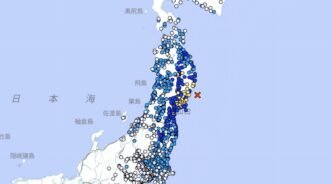
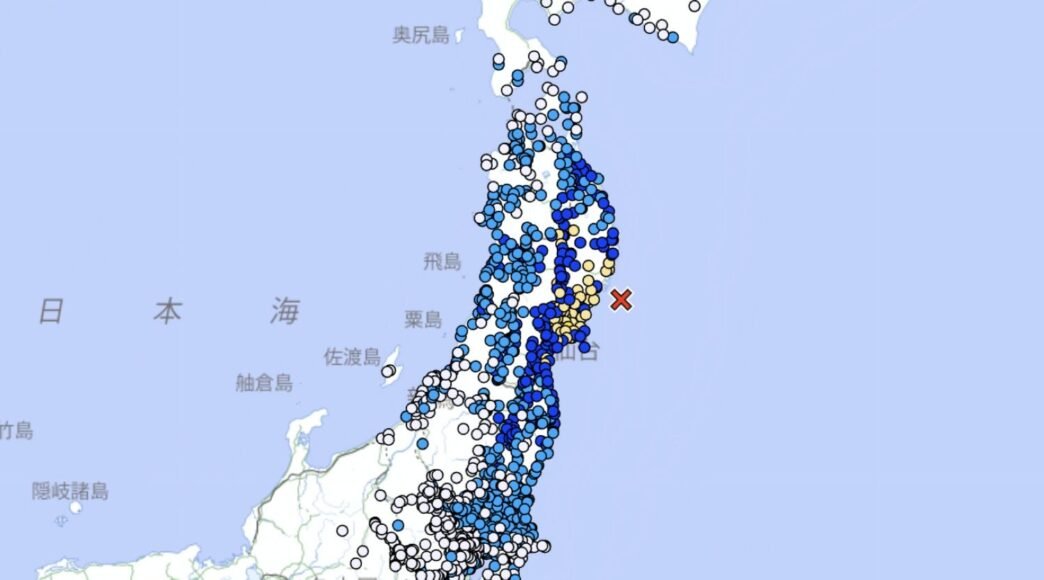
A strong earthquake struck Japan’s Tohoku region, causing widespread tremors across northeastern parts of the country and prompting immediate emergency monitoring by authorities.
The quake was felt in several cities across the region, with residents reporting noticeable shaking, temporary transport disruptions, and emergency alerts.
 WhatsApp Image 2024 07 01 at 13.58.28 4cfca4e0
Japanese authorities quickly began assessing the situation while urging people to remain cautious about possible aftershocks.
Earthquake Felt Across Northeastern Japan
The earthquake impacted multiple areas in the Tohoku region, one of Japan’s most seismically active zones.
Residents experienced:
● Strong ground shaking
● Emergency smartphone alerts
● Temporary train disruptions
● Building evacuations
● Traffic slowdowns
● Public transportation delays
● Increased emergency monitoring
Several people shared reports of shaking lasting for multiple seconds in affected areas.
Authorities immediately activated earthquake response systems to monitor infrastructure and public safety conditions.
Japan’s Earthquake Monitoring Systems Respond Quickly
Japan maintains one of the world’s most advanced earthquake detection and emergency response systems.
Following the quake, agencies began:
● Monitoring aftershocks
● Inspecting transportation systems
● Checking utility networks
● Reviewing structural safety
● Issuing public safety notices
● Assessing coastal conditions
● Coordinating emergency services
Japan’s rapid response systems are designed to minimize risks during major seismic events.
Tohoku Region Remains Highly Seismically Active
The Tohoku region is located along major tectonic fault lines in the Pacific Ring of Fire.
The area frequently experiences:
● Earthquakes
● Offshore tremors
● Tsunami monitoring
● Seismic activity
● Coastal fault movement
● Geological pressure shifts
● Emergency preparedness drills
Japan regularly conducts disaster preparedness programs due to the country’s vulnerability to earthquakes and tsunamis.
Transportation Services Experience Temporary Disruptions
Some transportation systems were temporarily affected following the earthquake.
Disruptions included:
● Train service pauses
● Safety inspections
● Delayed commuter routes
● Highway traffic checks
● Airport monitoring
● Local transit adjustments
● Infrastructure inspections
Rail operators and local authorities worked quickly to restore normal services after conducting safety assessments.
Residents Urged To Stay Alert for Aftershocks
Emergency officials advised residents to remain cautious following the initial quake.
Safety recommendations included:
● Staying away from unstable structures
● Monitoring official alerts
● Preparing emergency supplies
● Avoiding unnecessary travel
● Checking family communication plans
● Following evacuation guidance if needed
● Remaining alert for aftershocks
Japan frequently experiences aftershocks after significant seismic activity.
Japan Continues Strengthening Disaster Preparedness
Japan is internationally recognized for its advanced disaster readiness systems.
The country continues investing in:
● Earthquake-resistant infrastructure
● Early warning systems
● Public evacuation training
● Emergency communication networks
● Seismic research
● Coastal protection systems
● Disaster education programs
Preparedness measures play a major role in reducing risks during earthquakes and natural disasters.
Why Earthquakes in Tohoku Draw Global Attention
1. Japan Is One of the World’s Most Seismically Active Countries
The country experiences frequent earthquakes due to tectonic plate activity.
2. Tohoku Has a Significant Earthquake History
The region is closely associated with major past seismic events and tsunami risks.
3. Japan Maintains Advanced Emergency Systems
Rapid alerts and safety measures help reduce potential damage and casualties.
4. Aftershocks Can Continue After Major Tremors
Authorities continue monitoring seismic activity after strong earthquakes.
Frequently Asked Questions (FAQs)
Q: Where did the earthquake occur?
A: The earthquake struck Japan’s Tohoku region in northeastern Japan.
Q: Were emergency alerts issued?
A: Yes, Japanese authorities activated emergency monitoring and public safety alerts.
Q: Did transportation services stop?
A: Some train and transit services were temporarily paused for safety inspections.
Q: Is the Tohoku region prone to earthquakes?
A: Yes, the region is located in a highly active seismic zone within the Pacific Ring of Fire.
Q: Are aftershocks possible?
A: Authorities warned that additional aftershocks may occur following the main earthquake.
Final Word: Japan Remains Vigilant After Strong Tohoku Earthquake
The powerful earthquake in the Tohoku region once again highlighted Japan’s constant exposure to seismic activity and the importance of disaster preparedness.
As emergency agencies continue monitoring the situation, residents across northeastern Japan remain alert for possible aftershocks and transportation updates.
Japan’s advanced warning systems and preparedness infrastructure continue playing a critical role in protecting communities during natural disasters.