
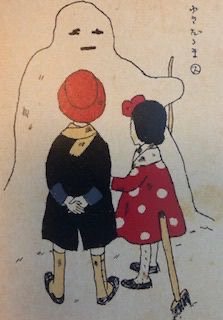
Japan is once again drawing attention to its rich cultural history through the rediscovery of nostalgic postcards created during the Taisho Period by artist Uzaki Sumikazu. The historic postcards, often featuring children in traditional Japanese settings, provide a rare glimpse into everyday life and social culture in early 20th-century Japan.
The beautifully detailed works continue to attract collectors, historians, and art enthusiasts interested in Japan’s changing cultural identity during the Taisho era.
 WhatsApp Image 2024 07 01 at 13.58.28 4cfca4e0
Uzaki Sumikazu’s Postcards Capture Everyday Japan
Uzaki Sumikazu became known for creating postcards that reflected ordinary moments of Japanese life, especially scenes involving children.
The postcards often featured:
● Children in traditional clothing
● Seasonal festivals and celebrations
● School life and daily routines
● Rural and urban Japanese settings
● Family interactions
● Traditional games and activities
● Cultural customs and etiquette
The artwork captured warmth, innocence, and nostalgia while preserving visual records of Japanese society during a transformative historical period.
The Taisho Period Was a Time of Cultural Change
The Taisho Period (1912–1926) represented an important era in Japanese history marked by modernization and growing global influence.
During this period, Japan experienced:
● Expanding urban development
● Western cultural influences
● Growth of modern education
● New artistic movements
● Rising print and publishing industries
● Social and political transformation
● Changes in fashion and lifestyle
Despite modernization, many postcards from the era continued celebrating traditional Japanese values and childhood experiences.
Vintage Postcards Become Valuable Historical Records
Historians and collectors increasingly view Taisho-era postcards as important cultural documents rather than simple souvenirs.
The postcards help preserve information about:
● Traditional Japanese clothing
● Childhood customs
● Architecture and streetscapes
● Seasonal traditions
● Social behavior
● Educational environments
● Everyday family life
Many postcards also reveal how Japan presented its culture domestically and internationally during the early 20th century.
Children Became Central Themes in Japanese Artwork
Images of children were especially popular in Taisho-era visual culture.
Artists frequently portrayed children because they symbolized:
● Innocence
● National identity
● Hope for the future
● Family values
● Cultural continuity
● Simplicity and purity
● Social harmony
Uzaki Sumikazu’s works became particularly admired for their emotional warmth and attention to detail.
Japan’s Vintage Art Market Continues Growing
Interest in vintage Japanese postcards has grown both inside and outside Japan.
Collectors are increasingly searching for:
● Taisho-era postcards
● Early Japanese prints
● Historical illustrations
● Children-themed artwork
● Traditional Japanese designs
● Cultural memorabilia
● Antique paper collectibles
Museums, archives, and online collectors’ communities continue helping preserve and showcase the artwork.
Traditional Japanese Aesthetics Continue Influencing Modern Culture
Many modern Japanese artists and designers still draw inspiration from Taisho-era visual styles.
The postcards continue influencing:
● Illustration styles
● Fashion design
● Anime aesthetics
● Cultural exhibitions
● Photography projects
● Historical publications
● Heritage preservation efforts
The nostalgic appeal of Taisho-era imagery remains strong among younger generations interested in traditional Japanese culture.
Why Uzaki Sumikazu’s Postcards Are Drawing Attention
1. They Preserve Japan’s Cultural Memory
The postcards offer valuable insight into childhood and daily life during the Taisho Period.
2. They Highlight Traditional Japanese Values
Themes of family, community, and simplicity remain central in the artwork.
3. Vintage Japanese Art Is Growing Globally
Collectors and historians increasingly value early Japanese postcards as cultural treasures.
4. The Artwork Blends Nostalgia With History
The postcards combine artistic beauty with important historical documentation.
Frequently Asked Questions (FAQs)
Q: Who was Uzaki Sumikazu?
A: Uzaki Sumikazu was a Japanese artist known for creating nostalgic postcards and illustrations during the Taisho Period.
Q: What is the Taisho Period in Japan?
A: The Taisho Period lasted from 1912 to 1926 and was known for modernization, cultural change, and artistic development.
Q: Why are these postcards important?
A: They provide historical insight into Japanese childhood, traditions, and everyday life during the early 20th century.
Q: What themes appear in the postcards?
A: Common themes include children, festivals, traditional clothing, school life, and family activities.
Q: Why are collectors interested in Taisho-era postcards?
A: The postcards combine artistic value, cultural history, and nostalgic appeal.
Final Word: Taisho-Era Postcards Continue Preserving Japan’s Childhood Memories
As interest in Japanese cultural history continues growing, Uzaki Sumikazu’s postcards remain powerful reminders of everyday life during the Taisho Period.
From traditional clothing and childhood games to seasonal celebrations and family life, the postcards preserve moments that continue connecting modern audiences with Japan’s historical identity.
The renewed appreciation for these vintage artworks highlights how nostalgia, history, and visual storytelling continue shaping the global fascination with Japanese culture.