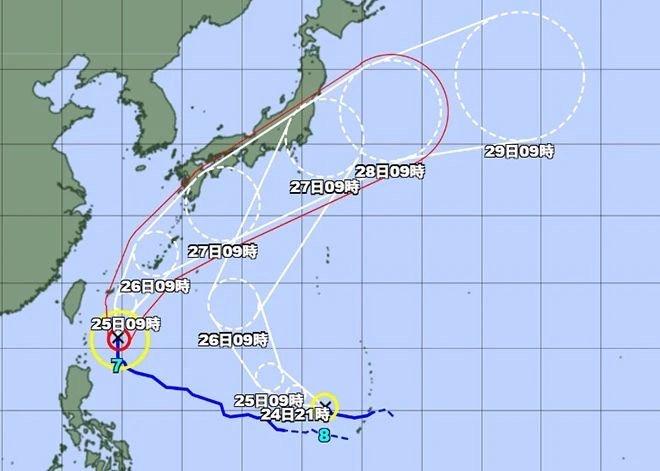
Japan is closely monitoring two tropical systems moving across the Pacific as meteorological authorities warn of potential impacts over the weekend. The rare situation of dual typhoons approaching Japan simultaneously has prompted weather officials to advise residents and travelers to stay updated on forecasts and prepare for possible disruptions.
While the exact paths and intensity of the storms remain subject to change, forecasters expect parts of the country to experience heavy rainfall, strong winds, rough seas, and transportation disruptions.
 WhatsApp Image 2024 07 01 at 13.58.28 4cfca4e0
Weather Agencies Monitor Storm Developments
Meteorological agencies are tracking both typhoons as they move toward Japanese waters. Forecast models suggest the systems could affect different regions of the country over the coming days.
Potential impacts include:
● Heavy rainfall
● Strong wind gusts
● High waves along coastlines
● Localized flooding
● Landslide risks in mountainous areas
● Transportation delays
● Ferry and flight disruptions
Authorities continue to update forecasts as the storms evolve.
Communities along Japan’s Pacific coast are being advised to remain cautious, particularly in areas vulnerable to storm surges and rough seas.
Residents are encouraged to:
● Monitor official weather updates
● Avoid unnecessary coastal activities
● Secure outdoor items
● Prepare emergency supplies
● Review evacuation plans
● Stay informed about local advisories
● Exercise caution during heavy rainfall
Officials stress that weather conditions can change rapidly as tropical systems approach land.
Travel and Transportation Impacts Possible
The approaching typhoons could affect transportation networks across several regions.
Potential disruptions may include:
● Flight cancellations or delays
● Ferry service suspensions
● Rail service adjustments
● Road closures
● Traffic congestion
● Port operation interruptions
● Tourism activity disruptions
Travelers are advised to check directly with transport operators before departure.
Japan’s Disaster Preparedness System
Japan has extensive disaster preparedness measures in place for typhoons and severe weather events. Local governments and emergency services routinely coordinate response efforts when significant storms approach.
Preparedness measures include:
● Early warning systems
● Evacuation advisories
● Emergency shelters
● Public safety announcements
● Infrastructure monitoring
● Flood prevention measures
● Community response planning
These systems help reduce risks and improve public safety during severe weather events.
The presence of two typhoons approaching Japan simultaneously requires close monitoring.
Flooding and landslides can occur even if storms do not make direct landfall.
3. Potential Travel Disruptions
Transportation services may be affected across multiple regions.
Early preparation helps communities respond effectively to changing weather conditions.
As two typhoons move toward Japan this weekend, authorities are urging residents and visitors to remain vigilant and follow official weather updates. While forecasts may continue to evolve, the possibility of heavy rain, strong winds, and transportation disruptions highlights the importance of preparedness and caution. Japan’s weather agencies will continue monitoring both systems closely as they approach the country.