Tokyo Steps Up Regulation of Private Lodgings
Tokyo’s 23 special wards are strengthening oversight of minpaku, Japan’s private lodging system, as concerns grow over the impact of short-term rentals on residential neighbourhoods.
 Asahi Travel Service Pvt Ltd
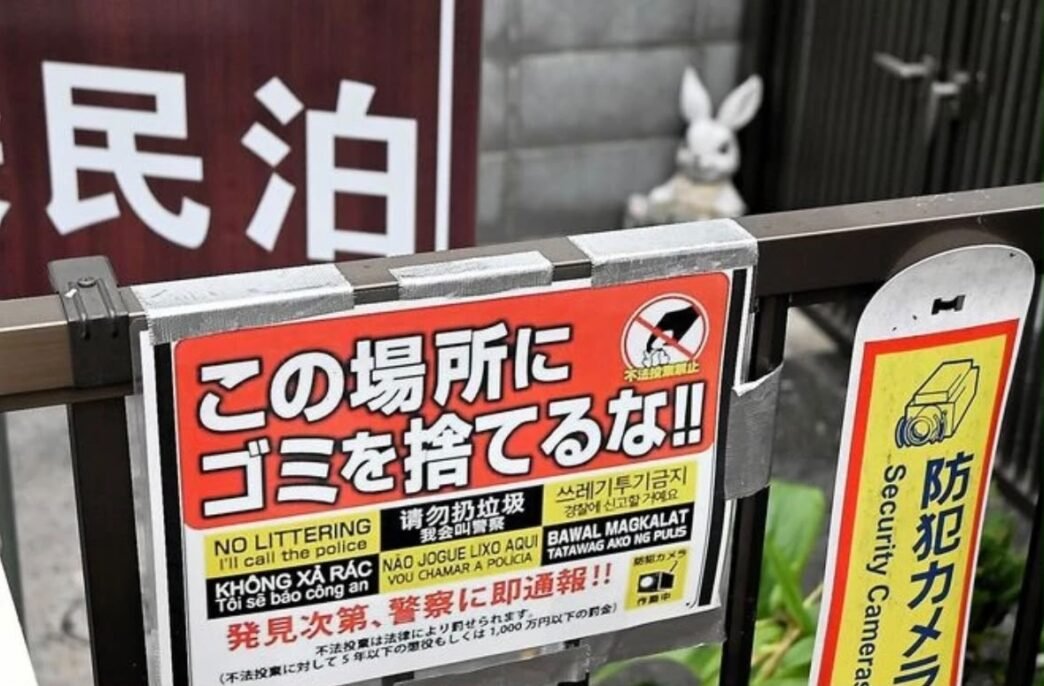
The measures include tighter operating schedules, restrictions on new registrations in certain areas and increased inspections of accommodation providers. Local authorities are responding to complaints about late-night noise, improper rubbish disposal, smoking and guests disturbing residents.
Although the rules differ between wards, the overall direction is towards stricter management of private accommodation as tourism demand continues to grow.
What Is Minpaku?
Minpaku refers to accommodation services that use all or part of a private residence, such as an apartment or detached house, to host travellers for short stays.
Japan introduced the Private Lodging Business Act in June 2018 to establish a legal framework for home-sharing services. Under the national law, registered operators can generally offer accommodation for up to 180 days per year.
However, local governments have the authority to introduce additional restrictions through municipal ordinances to protect neighbourhood living conditions. In June 2026, the Japan Tourism Agency indicated that municipalities could consider stronger local controls, including restrictions in residential areas.
Several Wards Introduce Stricter Operating Conditions
Different wards are adopting measures according to their local circumstances.
● Shinjuku: The ward is considering restrictions that would prevent minpaku operations in residential areas and near schools. The proposal could affect a significant number of existing properties.
● Taito: The ward is introducing tighter operating conditions, including weekend and holiday restrictions from October 2026. It is also moving towards limiting new minpaku registrations in certain residential areas from January 2027.
● Shibuya: Restrictions introduced in July 2026 expanded the areas where new private lodging operations face limits.
● Sumida: New rules introduced in April 2026 restrict operating periods for certain owner-absent properties.
● Chiyoda: Restrictions introduced in July 2026 limit private lodging operations in specified areas, including locations around schools and residential districts.
Other wards have also reviewed their regulations, with some measures applying to new operators and others extending to existing facilities.
Noise, Waste Disposal and Neighbourhood Concerns
One of the main reasons behind the regulatory changes is the growing number of complaints from residents living near short-term rental properties.
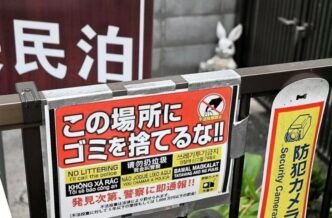
Common concerns include guests making noise late at night, leaving rubbish in unauthorised locations, smoking near residential buildings and failing to follow local community rules.
Shinjuku Ward, which has one of Tokyo’s largest concentrations of minpaku properties, reported 1,334 complaints during fiscal 2025, compared with 82 in fiscal 2021. The complaints included noise, rubbish disposal and other disturbances.
Authorities have also increased inspections to identify unregistered accommodation providers and properties that fail to meet required standards.
Balancing Tourism Growth with Residents’ Quality of Life
Private lodging has played a role in expanding accommodation options for international visitors, particularly during periods of high tourism demand. It also provides property owners with opportunities to use vacant homes and apartments.
However, the rapid growth of the sector has raised questions about how short-term rentals should operate within established residential communities.
Tokyo’s approach reflects an effort to balance the needs of visitors and accommodation providers with residents’ expectations of a safe and peaceful neighbourhood environment.
The regulations do not amount to a blanket ban on minpaku across the capital. Instead, each ward is introducing measures based on its own housing conditions, tourism activity and local complaints.
Tokyo’s tightening of minpaku regulations marks an important development in Japan’s approach to managing short-term accommodation. As the city continues to attract international visitors, local authorities are placing greater emphasis on responsible operations and cooperation with residential communities.
For travellers and property operators, understanding the rules of each ward will become increasingly important, as the conditions for running private accommodation may vary significantly across Tokyo.