
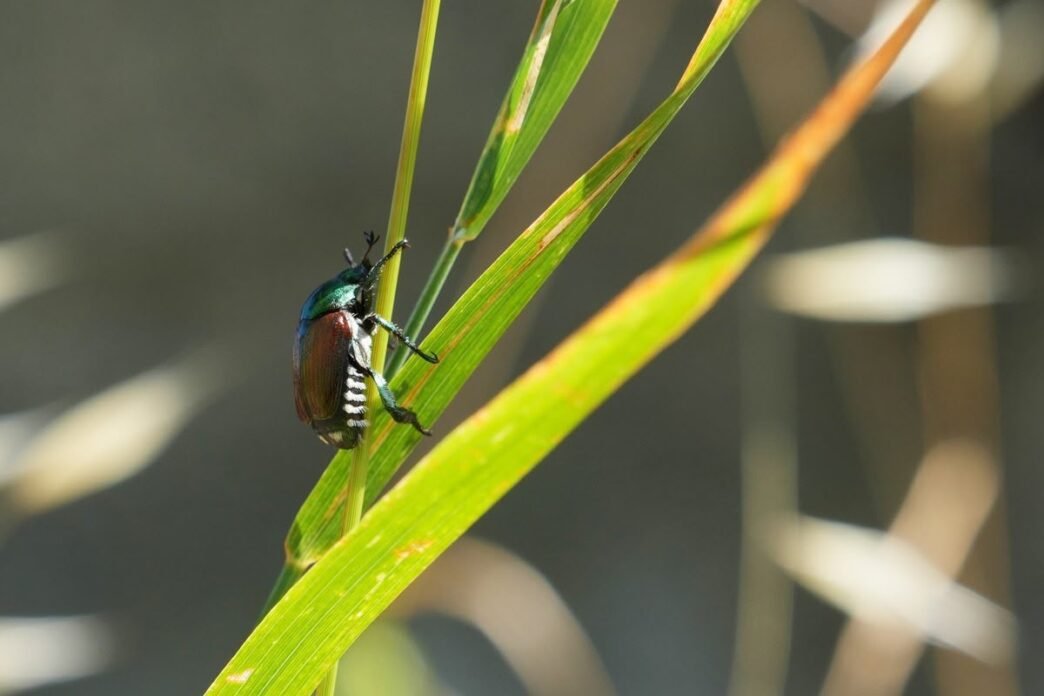
The Japanese beetle, an invasive insect species known for feeding on hundreds of plant varieties, is continuing to spread across northern Italy, causing growing concern among farmers and agricultural experts. The beetle has been damaging vineyards, orchards, and other crops by feeding on leaves, flowers, and fruit, leaving growers struggling to protect their harvests.
As the pest expands into new areas, authorities and agricultural organizations are increasing monitoring efforts and encouraging farmers to adopt integrated pest management strategies. The spread of the beetle has highlighted the broader challenge of controlling invasive species that threaten crop production and biodiversity.
 WhatsApp Image 2024 07 01 at 13.58.28 4cfca4e0
The Japanese beetle feeds on a wide range of crops and ornamental plants, making it particularly difficult to manage.
Key concerns include:
● Damage to vineyards and orchards
● Feeding on leaves, flowers, and fruit
● Reduced crop quality and yields
● Expansion into new agricultural regions
● Increased pest monitoring and control efforts
● Challenges for farmers and agricultural authorities
The pest’s ability to spread rapidly has made it a significant concern for Italy’s farming sector.
Farmers Face Ongoing Challenges
Growers are working to minimize the impact through regular monitoring, trapping systems, and environmentally responsible pest-control methods. However, the beetle’s broad diet and rapid reproduction make long-term management a complex task.
Agricultural experts stress that early detection and coordinated action are essential to slowing its spread and protecting valuable crops.
1. Protecting Food Production
The beetle poses a threat to vineyards, orchards, and other important agricultural crops.
2. Supporting Farmers
Effective pest management is essential to reduce economic losses and protect livelihoods.
3. Preserving Biodiversity
Controlling invasive species helps safeguard local ecosystems and native plant life.
4. Strengthening Agricultural Resilience
Coordinated monitoring and sustainable pest-control measures can help limit future outbreaks.
The continued spread of the Japanese beetle across northern Italy underscores the growing challenge invasive species pose to modern agriculture. As farmers, researchers, and authorities work together to contain the pest, protecting vineyards, orchards, and the wider agricultural landscape remains a top priority.