
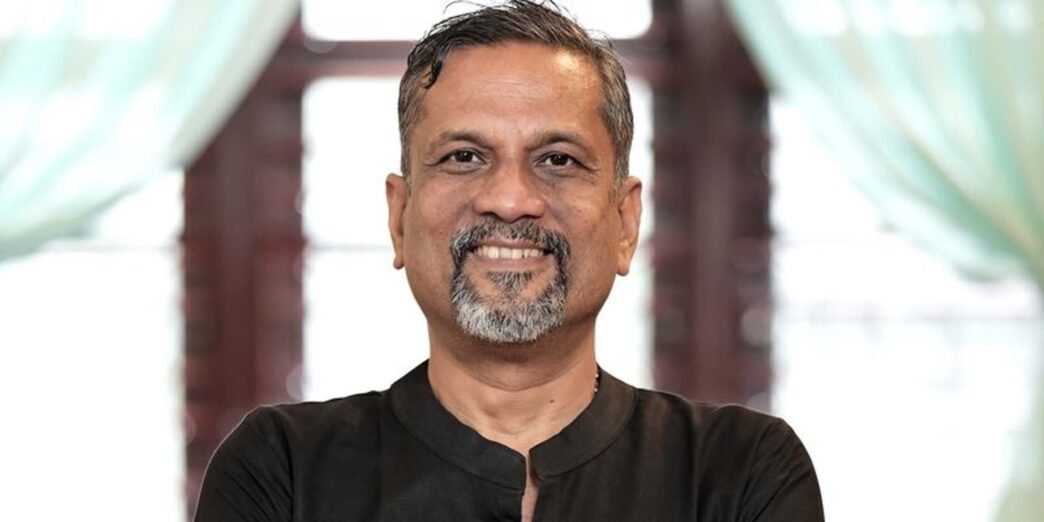
Zoho founder and Chief Scientist Sridhar Vembu has called for India to revive its traditional pattarai (workshop) culture after visiting veteran Japanese motor designer Morihiro Saito. Describing the experience as an “industrial pilgrimage,” Vembu said India’s manufacturing future depends not only on large factories but also on local workshops where people can design, build, experiment, repair, and innovate with their own hands.
His remarks highlight the importance of practical engineering skills and small-scale innovation as essential building blocks for a stronger manufacturing ecosystem.
 WhatsApp Image 2024 07 01 at 13.58.28 4cfca4e0
A Lesson from Japan’s Workshop Culture
During his visit, Vembu met Morihiro Saito, who, despite being over 80 years old, continues to design advanced motors from a modest workshop located next to a company that produces his prototypes.
Key observations included:
● Hands-on product design and experimentation
● Close collaboration between designers and manufacturers
● Rapid prototype development and testing
● Continuous improvement through practical experience
● Decades of accumulated engineering knowledge
● Focus on craftsmanship and precision
● Seamless transition from ideas to production
According to Vembu, this model allows innovation to happen faster by keeping design, tools, and manufacturing closely connected.
Why Workshops Matter
Vembu argued that workshops are more than places filled with machines—they are centres of practical knowledge where engineers develop skills that cannot be learned from textbooks alone.
Benefits of a strong workshop ecosystem include:
● Faster product development
● Better understanding of materials and manufacturing
● Practical engineering education
● Encouragement of innovation and experimentation
● Stronger links between ideas and production
● Skill development through apprenticeships
● Support for small manufacturers and startups
Such environments help transform concepts into reliable, market-ready products.
A Vision for India’s Manufacturing Future
Rather than building identical workshops in every village, Vembu suggested creating a distributed network of well-equipped workshops connected to technical institutions, apprenticeships, local manufacturers, and customers.
This approach could:
● Strengthen India’s manufacturing capabilities
● Bridge the gap between education and industry
● Support local entrepreneurs and innovators
● Encourage product design and engineering excellence
● Create more skilled manufacturing professionals
● Boost small-scale industrial growth
● Complement large industrial investments
He emphasized that manufacturing strength depends not only on factories but also on people with the ability to solve engineering problems through hands-on experience.
Why This Matters
1. Learning from Japan
Japan’s workshop culture demonstrates how practical engineering and continuous experimentation drive innovation.
2. Building Skilled Engineers
Hands-on workshops help develop real-world manufacturing expertise beyond classroom learning.
3. Strengthening Manufacturing
A network of local workshops can complement large factories by fostering innovation and prototype development.
4. Supporting “Make in India”
Connecting workshops with educational institutions and industry could accelerate India’s manufacturing ambitions and create a stronger innovation ecosystem.
Final Word
Sridhar Vembu’s visit to Japanese engineer Morihiro Saito’s workshop highlights an important lesson for India’s manufacturing future. While investments in industrial parks and large factories remain essential, nurturing a nationwide culture of practical workshops, apprenticeships, and hands-on engineering could provide the skilled workforce and innovative mindset needed to transform ideas into world-class products.