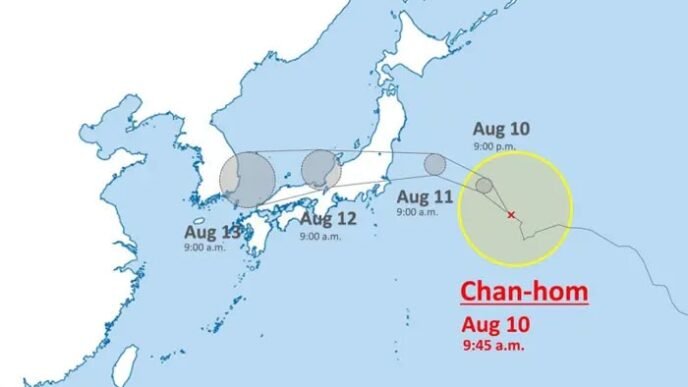
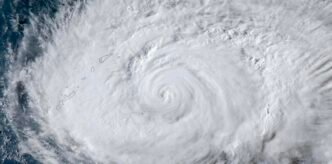
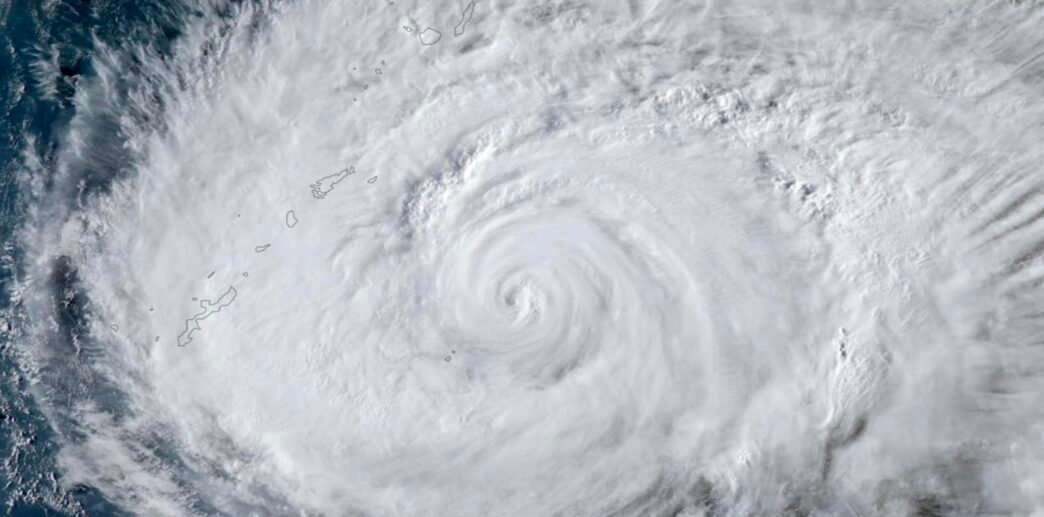
Japan has begun large-scale emergency preparations as a powerful typhoon moves closer to the country, prompting evacuation orders in high-risk areas and the cancellation of around 500 flights. The storm is expected to bring intense rainfall, strong winds, rough seas, and widespread disruption across multiple regions.
Authorities have warned residents in flood-prone, coastal, and landslide-sensitive areas to stay alert and follow evacuation instructions without delay.
 WhatsApp Image 2024 07 01 at 13.58.28 4cfca4e0
Emergency Measures as Typhoon Approaches Japan
As the typhoon strengthens, Japanese authorities have activated emergency response systems across affected regions.
Key measures include:
● Mandatory evacuation orders in vulnerable zones
● Cancellation of approximately 500 flights
● Heavy rain and flood warnings
● Strong wind advisories
● Landslide risk alerts
● Transport service disruptions
● Emergency response deployment
Officials continue to track the storm’s path closely and have urged the public to avoid unnecessary movement in affected areas.
500 Flights Cancelled Across Airports
The approaching typhoon has significantly impacted Japan’s aviation sector, leading to the cancellation of around 500 flights as a precautionary step.
Airlines have advised passengers to:
● Check flight status before heading to airports
● Expect delays and rescheduling
● Contact airlines for rebooking options
In addition to air travel, rail and road transport services may also experience delays or suspensions depending on the severity of the storm.
Evacuations Ordered in High-Risk Areas
Local governments have issued evacuation orders for residents in areas most exposed to flooding, landslides, and storm surges.
Primary risks include:
● Flash flooding
● River overflow
● Landslides in hilly regions
● Coastal storm surges
● Strong wind damage
● Falling debris and trees
● Power outages
Residents have been instructed to move to designated shelters or safer locations as soon as possible when advised.
Severe Weather Threats: Rain, Wind, and Flooding
Typhoons in Japan often bring extreme weather conditions over a short period, increasing the risk of widespread damage.
Heavy rainfall can quickly overwhelm drainage systems, while strong winds may damage infrastructure, disrupt power supply, and make outdoor movement dangerous.
Authorities have urged people to remain indoors during peak storm conditions and avoid rivers, beaches, and other high-risk zones.
Why This Matters
1. Major Travel Disruption
The cancellation of hundreds of flights highlights the significant impact of typhoons on Japan’s transport and aviation systems.
2. Public Safety Priority
Evacuation orders are aimed at reducing risk to life in areas vulnerable to flooding, landslides, and storm surges.
3. Importance of Early Warnings
Japan’s disaster preparedness system plays a crucial role in minimizing damage during frequent typhoon events.
4. Wider Impact on Daily Life
Severe weather can disrupt schools, businesses, public transport, and essential services across affected regions.
Advisory for Travellers and Residents
Authorities recommend the following precautions:
● Monitor official weather updates regularly
● Follow evacuation instructions immediately
● Avoid non-essential travel
● Stay away from rivers and coastal areas
● Keep emergency supplies ready
● Charge mobile devices and keep backups of important documents
● Stay informed through official alerts
Final Word
As a powerful typhoon approaches Japan, authorities have escalated emergency measures, including evacuation orders and the cancellation of around 500 flights. With heavy rain and strong winds expected to intensify, residents and travellers are being urged to stay cautious, follow official guidance, and prioritise safety until conditions improve.