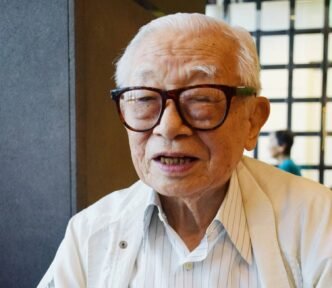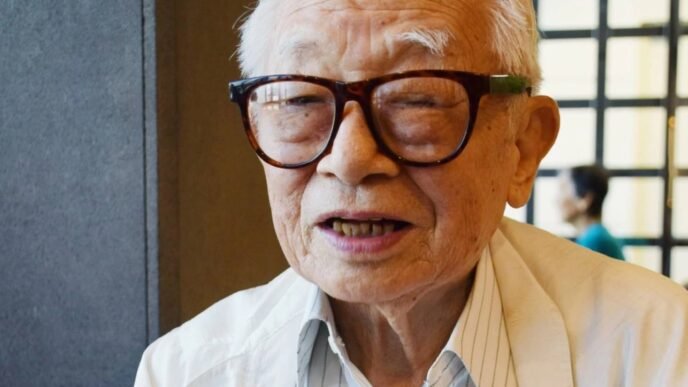
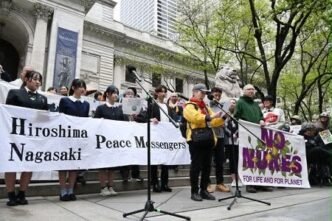
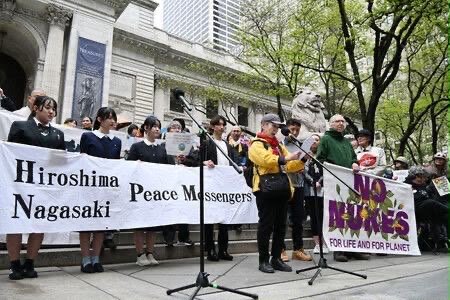
A hibakusha, a survivor of the 1945 atomic bombing of Nagasaki, has renewed a call for peace and dialogue, urging governments to focus on preventing conflict rather than preparing for war.
The appeal comes as Nagasaki continues to remember the victims of the atomic bombing and preserve the testimonies of survivors for future generations.
 WhatsApp Image 2024 07 01 at 13.58.28 4cfca4e0
The survivor’s message reflects a long-standing appeal from hibakusha to prevent the use of nuclear weapons and avoid the devastating consequences of war.
Key themes include:
● Pursuing peace through dialogue
● Preventing armed conflict
● Reducing dependence on nuclear weapons
● Remembering victims of war
● Passing survivors’ experiences to younger generations
● Promoting international cooperation
Hibakusha groups have repeatedly called on world leaders to learn from the experiences of those who witnessed the consequences of nuclear weapons.
Nagasaki was devastated by an atomic bomb on August 9, 1945, near the end of World War II. The bombing caused enormous loss of life and destruction, with many survivors later suffering long-term consequences.
Each year, the city holds memorial events to honour those who died and reaffirm its commitment to peace.
The term hibakusha is commonly used in Japan to describe survivors of the atomic bombings of Hiroshima and Nagasaki.
Why Hibakusha Testimonies Matter
As the number of living atomic bomb survivors decreases with age, preserving their personal experiences has become increasingly important.
Their testimonies provide historical perspectives on the human consequences of nuclear warfare and help younger generations understand the importance of peace.
The call from Nagasaki comes amid continuing international discussions about nuclear weapons, national security, deterrence, and disarmament.
Governments face complex security challenges, while peace advocates argue that long-term global security requires reducing the risk of nuclear conflict and strengthening diplomatic solutions.
1. Preserving Historical Memory
Hibakusha testimonies help ensure that the experiences of atomic bomb survivors are not forgotten.
Their messages encourage governments and communities to consider dialogue and diplomacy as alternatives to armed conflict.
The experience of Nagasaki remains an important part of global discussions about the consequences of nuclear weapons.
4. Educating Future Generations
Sharing survivors’ experiences can help younger people understand the historical impact of war and the importance of peace.
The latest appeal from a Nagasaki hibakusha carries forward a message that survivors have shared for decades: the devastating consequences of war should serve as a reason to pursue peace. As fewer hibakusha remain, preserving their stories and lessons has become an increasingly important part of Nagasaki’s commitment to peace.