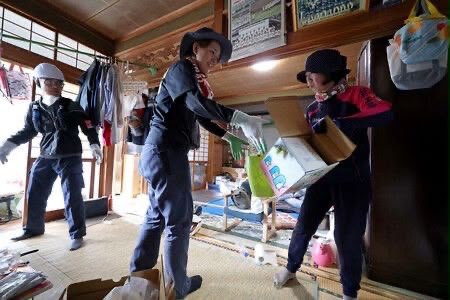
Volunteer activities have fully begun in areas of Kumamoto, Japan, following a devastating earthquake, with volunteers working alongside local communities to support recovery efforts and help affected residents rebuild their lives.
The mobilisation of volunteers marks an important stage in the region’s recovery, as communities continue to deal with damage to homes, infrastructure, and local facilities.
 WhatsApp Image 2024 07 01 at 13.58.28 4cfca4e0
Volunteers Begin Recovery Work in Kumamoto
Volunteers are assisting with a range of activities based on the needs of affected communities.
Key activities include:
● Cleaning damaged homes and buildings
● Removing debris
● Sorting and distributing relief supplies
● Supporting elderly residents
● Cleaning public spaces
● Assisting local community centres
● Helping with basic recovery tasks
Volunteers are coordinating with local authorities and community organisations to ensure assistance reaches areas that need it most.
Community Support After the Earthquake
Natural disasters can leave communities facing challenges long after the immediate emergency has passed. In Kumamoto, volunteers are helping residents manage practical tasks while providing additional support during the recovery process.
Local residents are also playing an important role, working together with volunteers to restore neighbourhoods and community facilities.
Additional volunteers can help communities complete essential cleanup and restoration work more quickly.
2. Support for Vulnerable Residents
Older people and residents who are unable to handle heavy cleanup or repair-related tasks can receive assistance.
Working together during a disaster can strengthen connections between residents, volunteers, and local organisations.
Volunteer efforts can complement government and professional recovery programmes as affected communities gradually rebuild.
Challenges During the Recovery
Despite the return of volunteer activities, earthquake-hit areas can continue to face significant challenges.
These may include:
● Damaged infrastructure
● Debris and unsafe structures
● Temporary housing needs
● Disrupted local services
● Emotional and social stress
● Shortages of volunteers in some areas
● Long-term rebuilding requirements
Volunteers must also follow safety instructions and work according to guidance from local authorities and disaster-response organisations.
The resumption of volunteer activities represents another step in Kumamoto’s broader recovery process. Community participation can play an important role in restoring daily life while helping affected residents return to normal routines.
The experience also highlights Japan’s strong culture of organised disaster preparedness and community volunteering.
With volunteer activities fully underway in earthquake-hit Kumamoto, communities are receiving additional support as recovery efforts continue. From cleaning damaged areas to helping vulnerable residents, volunteers are contributing to the long process of rebuilding homes, neighbourhoods, and community life.