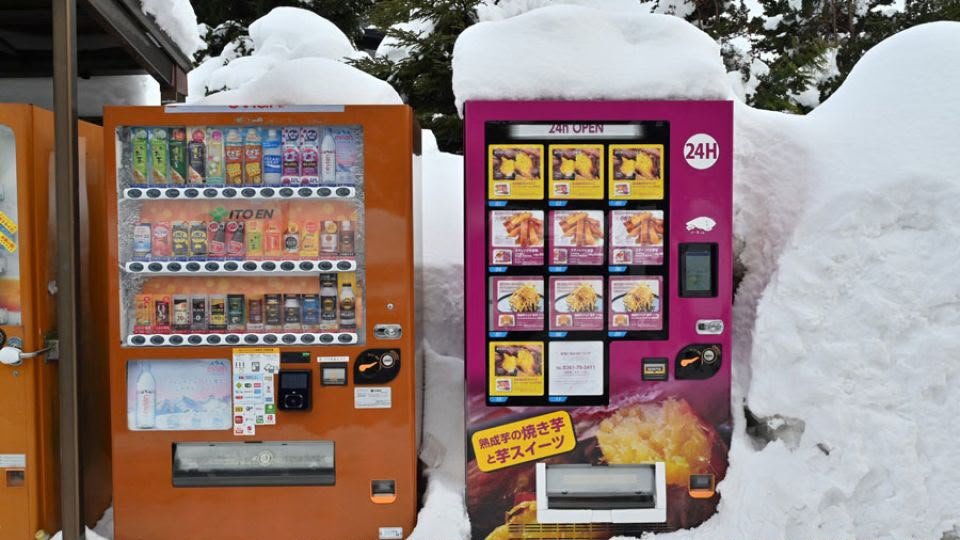
apan’s vast network of vending machines has long been one of the country’s most recognizable symbols. From busy Tokyo stations to quiet rural towns, millions of machines sell everything from drinks and snacks to umbrellas and batteries around the clock. But rising electricity costs, an aging population, labor shortages, and changing consumer habits have put pressure on the industry. In response, companies are turning to technology and innovation to keep Japan’s vending machine culture alive.
Industry experts estimate that Japan still has one of the highest vending machine densities in the world, making the sector an important part of the country’s retail infrastructure. Rather than disappearing, many operators are reinventing their machines as smart, connected retail platforms.
 WhatsApp Image 2024 07 01 at 13.58.28 4cfca4e0
Smart Technology Takes Over
A major shift has been the rapid adoption of cashless payments. Modern vending machines increasingly accept IC cards, smartphones, QR codes, and digital wallets, allowing faster transactions and reducing the need for cash handling.
Key innovations include:
- Cashless payment systems
- AI-based demand forecasting
- Remote inventory monitoring
- Digital advertising screens
- Smartphone-linked loyalty programs
- Contactless purchasing
These upgrades make machines more convenient for consumers while lowering operating costs for businesses.
AI and Data Improve Efficiency
Artificial intelligence is playing a growing role in vending machine operations. Connected machines can analyze sales patterns, weather conditions, time of day, and local events to predict demand and optimize stock levels.
For example, a machine near a commuter station may increase sports drink inventory during heatwaves, while a machine near a school may adjust snack selections during exam periods. This data-driven approach reduces waste, improves product availability, and increases profitability.
Cutting Energy Use
Electricity has become one of the industry’s biggest expenses, prompting a strong push toward energy-efficient vending machines. Newer models use LED lighting, improved insulation, energy-saving compressors, and smart temperature controls that reduce power consumption during low-traffic hours.
Some operators are also experimenting with solar-assisted systems and other sustainable technologies to lower environmental impact.
Remote Management Reduces Labor Pressure
With Japan facing a shrinking workforce, vending machine companies are investing heavily in remote management systems. Machines can now automatically report inventory levels, technical problems, and maintenance needs to centralized control centers.
This allows operators to plan delivery routes more efficiently, reduce unnecessary service visits, and manage large machine networks with fewer staff.
Machines Become Local Service Hubs
Innovation is not limited to technology. In rural areas, vending machines are increasingly being used as community service points, offering local products, emergency supplies, disaster information, or health-related services. By adapting to local needs, operators are giving machines a broader social role beyond simple retail.
Why This Matters
1. Protecting a Unique Part of Japanese Culture
Vending machines are an iconic feature of daily life in Japan, and innovation is helping preserve that cultural landscape.
2. Supporting Retail Convenience
Smart machines continue to provide 24-hour access to essential products in both urban and rural areas.
3. Addressing Labor and Cost Challenges
Automation and remote management help operators cope with labor shortages and rising operating expenses.
4. Advancing Sustainable Retail
Energy-efficient technologies and data-driven logistics can reduce waste and lower environmental impact.
Final Word
Japan’s vending machine empire is not being saved by nostalgia alone. Cashless payments, artificial intelligence, energy-saving technology, and smart logistics are transforming traditional vending machines into connected retail systems designed for the future. By embracing innovation while retaining the convenience that made them famous, Japan’s vending machine operators are proving that even one of the country’s oldest retail traditions can evolve and thrive in a rapidly changing world.