
After a prolonged period of high rice prices, Japanese retailers and food businesses are beginning to lower prices on rice-based products, offering consumers some relief as rice procurement costs ease.
The shift comes after Japan experienced a sharp rise in rice prices last year, which pushed up the cost of products ranging from supermarket rice to prepared meals and restaurant dishes. Recent data indicate that rice prices have started to decline as supplies improve.
 WhatsApp Image 2024 07 01 at 13.58.28 4cfca4e0
Lawson Cuts Onigiri Prices
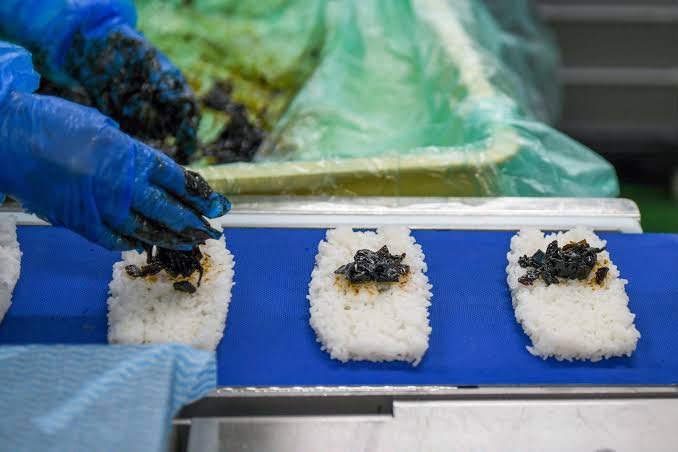
A major example is convenience-store giant Lawson, which has announced a ¥10 price reduction on 20 hand-wrapped onigiri products from September 29.
For example, its tuna-mayonnaise onigiri will fall from ¥181 to ¥171, while a grilled salmon product will drop from ¥221 to ¥211.
Lawson said the cuts reflect the falling cost of rice procurement and are also intended to encourage greater rice consumption.
Rice Prices Begin to Ease
The price reductions come as Japan’s rice market shows signs of improving supply.
Private-sector inventories of brown rice reached 2.43 million tonnes at the end of June, the highest midyear level since 2009, according to data cited by The Japan Times.
The average supermarket price of a 5-kilogram bag of rice has also fallen by around 28% from its January peak.
Japan’s rice prices had surged following supply shortages, prompting the government to release emergency stockpiles to ease pressure on consumers.
Restaurants and Food Businesses Also Feel the Change
The easing rice market is important not only for retailers but also for restaurants and prepared-food businesses, where rice is a major ingredient.
Rice-based meals, sushi, rice bowls, bento boxes and other prepared foods were among the products affected by higher ingredient costs.
Government data show that rice prices paid by prepared-food and food-service businesses had risen more sharply than those paid by retailers, highlighting the pressure restaurants and food manufacturers faced during the price surge.
From Rice Shortage to Lower Prices
Japan’s rice market has gone through a dramatic cycle.
Last year’s shortages and strong demand pushed rice prices sharply higher, affecting household budgets and food businesses. The situation became so severe that the government released reserve rice to increase supplies.
Now, improved inventories and falling market prices are allowing businesses to reconsider the prices of rice-based products.
What It Means for Consumers
The latest reductions could provide some relief for Japanese consumers who have faced elevated food costs.
Onigiri are among Japan’s most popular convenient foods, making even relatively small price reductions noticeable to shoppers.
If procurement costs continue to decline, more retailers, restaurants and food manufacturers could potentially follow with price adjustments.
Why This Matters
1. Consumer Relief
Lower prices for rice-based foods could ease some household food-cost pressures.
2. Falling Rice Costs
Improving supply and larger inventories are helping bring rice prices down.
3. Cheaper Onigiri
Lawson’s ¥10 reductions show how falling rice costs are already reaching consumers.
4. Food Businesses Benefit
Restaurants and prepared-food companies could see lower ingredient costs as the market improves.
Final Word
Japan’s rice market appears to be entering a new phase after last year’s dramatic price increases.
With rice prices falling and inventories improving, retailers and food businesses are beginning to pass some of the savings on to consumers. Lawson’s onigiri price cuts are an early example of this trend.
For Japanese consumers, the change could mean that one of the country’s most familiar staples and the many foods made from it finally becomes a little more affordable.