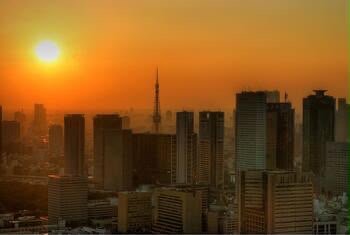
Japan is looking ahead to 2050 with a stark warning about extreme heat. A future-focused weather forecast highlighting projected climate conditions shows how rising temperatures could reshape everyday life across the country if global warming continues.
The outlook underscores a growing challenge for Japan: preparing cities, communities and essential services for hotter summers and more frequent periods of dangerous heat.
 WhatsApp Image 2024 07 01 at 13.58.28 4cfca4e0
Japan Could Face More Extreme Heat
Rising temperatures are expected to increase the intensity and frequency of heatwaves in many parts of Japan.
Potential impacts include:
● More frequent extreme-heat events
● Longer periods of dangerously high temperatures
● Greater heatstroke risks
● Warmer nights that provide less relief
● Higher demand for air conditioning
● Increased pressure on healthcare systems
● Greater risks to outdoor workers and elderly people
Extreme heat is particularly concerning because its effects can build over several consecutive days.
Cities Face Growing Challenges
Japan’s major cities could experience especially difficult conditions as climate change combines with the urban heat-island effect.
Urban areas may need to focus on:
● Expanding green spaces
● Increasing tree cover
● Creating more shaded public areas
● Improving building insulation
● Expanding cooling centres
● Developing heat-resistant infrastructure
● Strengthening public heat warnings
These measures could help communities adapt to increasingly challenging summer conditions.
Impact on Agriculture and Daily Life
The consequences of a hotter climate would extend beyond cities.
Potential challenges include:
● Heat stress affecting crops
● Changes in growing seasons
● Greater water demand
● Increased risks to livestock
● Higher cooling costs
● Changes in outdoor work schedules
● Pressure on food production
Farmers may increasingly need to adopt heat-resistant crops, improved irrigation methods and other climate-adaptation strategies.
Protecting People From Future Heat
Japan already has extensive experience dealing with hot and humid summers, but future conditions could require stronger preparedness.
Important measures include:
● Early heatwave warnings
● Public cooling facilities
● Better access to drinking water
● Heat-health education
● Protection for vulnerable residents
● Workplace heat-safety measures
● Climate-resilient urban planning
Individual precautions will also become increasingly important as extreme temperatures become more common.
1. Preparing Before the Crisis
Future climate projections give governments and communities time to strengthen infrastructure and public-health systems.
2. Protecting Vulnerable People
Older adults, children, outdoor workers and people without reliable access to cooling can face greater risks during extreme heat.
Urban planning will play an important role in reducing heat exposure and making neighbourhoods more comfortable.
4. Adapting to a Changing Climate
The forecast highlights the importance of combining emissions reduction with practical measures to adapt to unavoidable climate impacts.
Japan’s 2050 weather outlook offers a glimpse of a future in which extreme heat could become an increasingly important part of everyday life. The warning is not simply about higher temperatures, it is about preparing homes, cities, workplaces, healthcare systems and communities for a changing climate. The decisions made today will determine how resilient Japan is when that future arrives.