Japan is considering stricter regulations on land purchases near sensitive national security facilities as a ruling Liberal Democratic Party (LDP) panel has called for new measures to prevent potentially risky transactions.
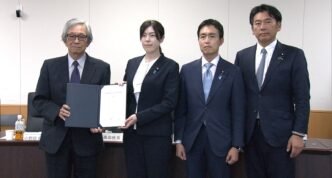
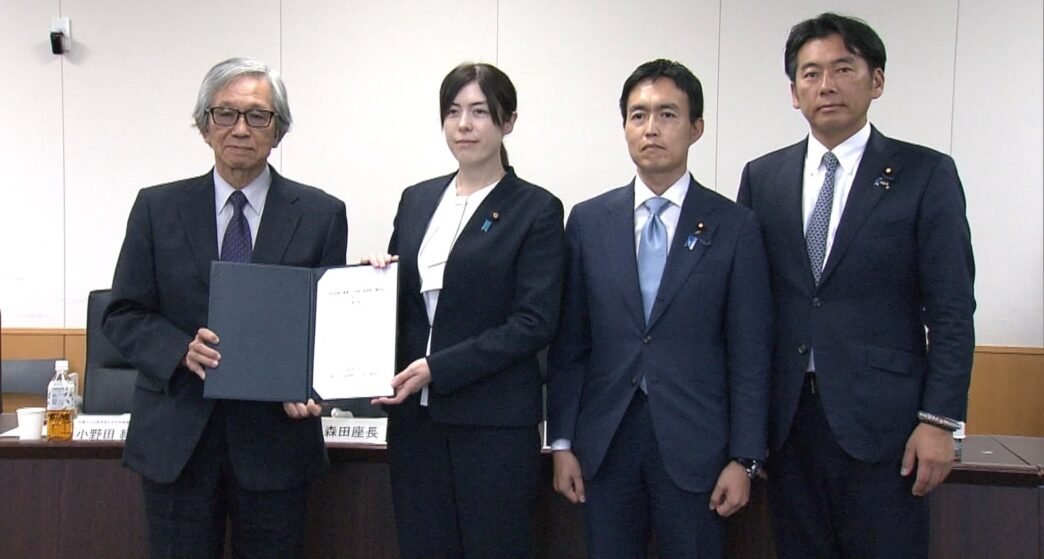
On October 1, 2026, the panel presented proposals to Prime Minister Sanae Takaichi, including a permit system for acquiring land near strategically important facilities. The recommendations aim to strengthen the country’s existing legal framework amid growing concerns about national security, foreign government influence and the protection of critical infrastructure.
 WhatsApp Image 2024 07 01 at 13.58.28 4cfca4e0
The proposals mark a significant development in Japan’s approach to land ownership and security, potentially introducing tighter scrutiny of property transactions around military facilities and other strategically important locations.
Proposed Permit System for Land Purchases
Under the proposed framework, buyers would need government approval before acquiring land in designated areas surrounding important facilities considered vulnerable to security threats, including potential drone attacks.
The proposed screening system would apply regardless of the buyer’s nationality. The panel also called for restrictions preventing individuals who are contractually or legally obligated to cooperate with foreign governments from acquiring land in these sensitive areas.
The proposals reflect the panel’s view that existing laws do not provide sufficient safeguards against emerging security risks.
Imperial Palace and Government Buildings Could Receive Greater Protection
The LDP panel has also recommended expanding the list of facilities covered by Japan’s land security framework.
The proposed additions include:
● The Imperial Palace in Tokyo.
● The National Diet Building, which houses Japan’s parliament.
● The Prime Minister’s Office.
These locations would join existing categories of protected sites, which include Self-Defense Forces facilities and US military bases in Japan.
The panel’s recommendations focus on strengthening safeguards around important national institutions and infrastructure that could be exposed to security threats.
Japan’s Existing Land Regulation Framework
Japan already has a legal framework governing land use near important facilities and remote islands.
The Act on the Review and Regulation of the Use of Real Estate Surrounding Important Facilities and on Remote Territorial Islands came into full force in September 2022.
Under the existing legislation, the government can designate monitored areas, generally within approximately one kilometre of important facilities or on certain remote islands. Authorities can investigate property use and issue recommendations or orders if land is being used in ways that interfere with the functions of protected facilities.
However, the existing law primarily regulates land use rather than prohibiting property purchases themselves. The proposed permit system would represent a move towards screening certain acquisitions before ownership is transferred.
Additional Measures Target Land Speculation and Water Resources
Beyond national security, the panel has proposed measures addressing other concerns in Japan’s property and land markets.
These include developing a nationwide system to monitor groundwater extraction, improving the collection of information about land transactions and considering tax measures to discourage speculative real estate purchases.
The proposals come amid concerns about rising condominium prices, property speculation and the need to better understand land ownership and usage patterns.
The panel has also called for legislative measures to improve land-use information and strengthen the government’s ability to respond to potentially problematic transactions.
Government to Consider Legislative Changes
Japan’s government is expected to consider amendments to its existing critical land legislation during the extraordinary parliamentary session scheduled to begin in October 2026.
The LDP panel’s recommendations are proposals rather than enacted laws. Their implementation will depend on the government’s decisions, legislative deliberations and the final design of any new regulations.
The debate highlights Japan’s efforts to balance national security, property rights, investment activity and the country’s approach to international ownership.
As discussions continue, the proposed measures could reshape how land transactions near strategically important sites are reviewed, while broader reforms may affect property investors and real estate markets across Japan.