
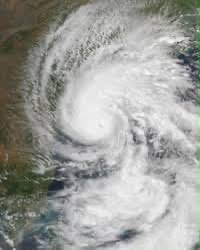
Cyclone Arnab Makes Landfall in Andhra Pradesh
Cyclone Arnab made landfall along India’s eastern coast on October 28, 2026, bringing powerful winds and heavy rainfall to Andhra Pradesh and neighbouring areas. The India Meteorological Department (IMD) classified it as a very severe cyclonic storm, with sustained winds of around 125–135 kmph and gusts reaching 150 kmph.
 WhatsApp Image 2024 07 01 at 13.58.28 4cfca4e0
The storm developed over the Bay of Bengal before moving towards the Andhra Pradesh coast. It was the first cyclone to form over the Bay of Bengal in 2026.
Three People Killed and Thousands Forced to Evacuate
At least three people have died in cyclone-related incidents, including cases involving falling trees and electrocution, according to authorities.
More than 180,000 people were evacuated from vulnerable areas of Andhra Pradesh and neighbouring Odisha ahead of the storm. Emergency response teams were deployed to assist residents, clear roads and manage the aftermath.
Authorities also reported damage to at least 180 houses and the collapse of around 220 trees. Electricity supplies were disrupted in several locations, while agricultural land suffered extensive damage.
Transport and Daily Life Disrupted
The cyclone affected transport and public services across parts of eastern India. Some schools were closed, train and flight services were cancelled, and operations at three airports in Andhra Pradesh were suspended.
Fishermen were advised not to venture into the sea, while emergency teams remained on alert in areas expected to experience heavy rainfall.
Although wind speeds were expected to weaken as Arnab moved inland, officials warned that continued rainfall could create flooding risks in low-lying areas and affect neighbouring states.
Bangladesh Largely Escapes Major Impact
Cyclone Arnab also attracted attention in Bangladesh, which had been monitoring the storm as it developed over the Bay of Bengal. However, the system largely bypassed the country, with forecasts indicating mainly scattered rainfall and temporary gusty winds in some areas.
The cyclone’s name, Arnab, was contributed by Bangladesh under the regional naming system used for tropical storms in the North Indian Ocean. The system includes names submitted by 13 member countries.
Heavy Rain Remains a Concern as the Storm Weakens
After crossing the Andhra Pradesh coast, Cyclone Arnab moved inland and began gradually weakening. However, heavy rainfall remained a concern for parts of eastern and central India.
The storm’s impact also extended beyond India. Nepal temporarily suspended trekking permits for high-altitude areas because of concerns about heavy rain, snowstorms and possible avalanches linked to the weather system.
Cyclone Arnab has caused significant disruption across eastern India, damaging homes, farmland and infrastructure while forcing large-scale evacuations. The response has highlighted the importance of early warnings, evacuation planning and coordinated emergency services in reducing the human impact of severe weather events.