
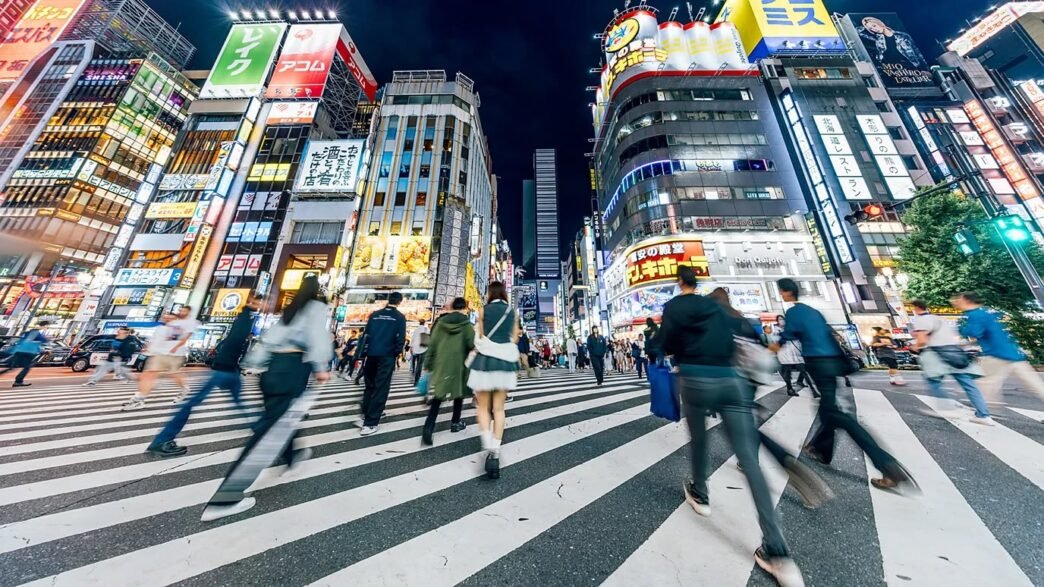
Visitors to Japan are often amazed by two things: the remarkable cleanliness of its streets and the surprising lack of public trash bins. From Tokyo and Osaka to smaller towns across the country, litter is rarely seen despite the limited availability of public waste containers.
The contrast raises a common question among tourists: How does Japan stay so clean when public rubbish bins are so difficult to find?
 WhatsApp Image 2024 07 01 at 13.58.28 4cfca4e0
A Culture of Personal Responsibility
One of the main reasons is Japan’s strong culture of personal responsibility. People are generally expected to take their trash home or carry it until they find an appropriate place to dispose of it.
From a young age, children are taught the importance of cleanliness and community responsibility. Schools often encourage students to clean classrooms and shared spaces themselves, reinforcing the idea that maintaining public environments is everyone’s responsibility.
Why Are Public Trash Bins Rare?
Many public trash bins were removed following security concerns in the 1990s and early 2000s. Since then, local governments and businesses have relied more heavily on private waste collection systems and designated disposal points.
While bins can still be found at some convenience stores, train stations, and commercial facilities, they are far less common than in many other countries.
Strict Waste Sorting Rules
Japan also has one of the world’s most detailed waste separation systems. Residents are often required to sort garbage into multiple categories such as:
- Burnable waste
- Non-burnable waste
- Plastic packaging
- PET bottles
- Glass bottles
- Cans
- Recyclables
These practices help improve recycling rates and reduce the amount of waste sent to landfills.
Cleanliness as a Social Norm
In Japan, keeping public spaces clean is widely viewed as a social responsibility. Large public events often provide examples of this mindset, with spectators frequently cleaning up after themselves before leaving venues.
The expectation that individuals should not create inconvenience for others plays an important role in maintaining tidy streets and public spaces.
Why This Matters
1. Demonstrates Community Responsibility
Clean public spaces are supported by everyday habits and social expectations.
2. Reduces Public Litter
People are encouraged to manage their own waste rather than rely solely on public bins.
3. Supports Recycling Efforts
Detailed waste sorting helps improve resource recovery and sustainability.
4. Creates Attractive Urban Environments
Clean streets contribute to Japan’s reputation as one of the world’s most orderly and welcoming destinations.
Final Word
Japan’s spotless streets are not the result of having more trash bins they are the result of a culture that emphasizes personal responsibility, respect for shared spaces, and careful waste management. While visitors may initially struggle to find a rubbish bin, many leave impressed by how a collective commitment to cleanliness helps keep Japan’s cities remarkably clean and inviting.