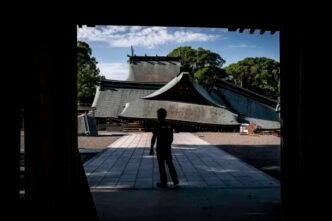
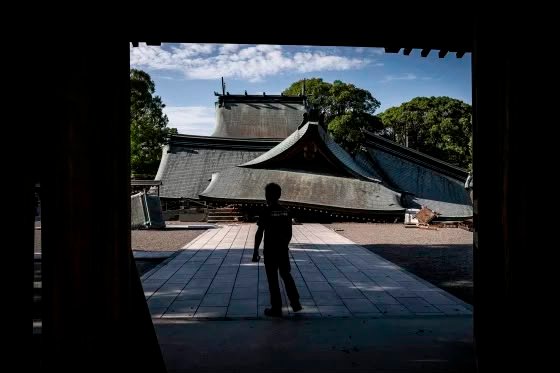
Japan is one of the world’s most earthquake-prone countries, experiencing thousands of tremors every year. Yet despite frequent seismic activity, the country has become a global model for disaster preparedness. Through strict building regulations, regular emergency drills, advanced warning systems, and a deeply ingrained culture of readiness, Japan has significantly reduced the impact of many earthquakes and saved countless lives.
Preparedness in Japan is not limited to government agencies it is a shared responsibility embraced by schools, workplaces, communities, and families.
 WhatsApp Image 2024 07 01 at 13.58.28 4cfca4e0
A Culture Built on Readiness
Disaster preparedness is woven into everyday life across Japan, ensuring people know exactly how to respond when an earthquake strikes.
Key elements include:
● Nationwide earthquake drills throughout the year
● Earthquake safety education from an early age
● Emergency evacuation training in schools and workplaces
● Household emergency kits and food supplies
● Clearly marked evacuation routes and shelters
● Community disaster response programmes
● Public awareness campaigns on earthquake safety
These practices help reduce panic and enable faster, more organised responses during emergencies.
Strong Infrastructure Saves Lives
Japan has invested heavily in engineering and technology to minimise earthquake damage.
Major safety measures include:
● Strict earthquake-resistant building codes
● Seismic isolation and shock-absorbing technology
● Earthquake-resistant bridges and transport networks
● Automatic shutdown systems for trains and utilities
● Advanced earthquake early warning systems
● Continuous seismic monitoring across the country
● Regular inspections of public infrastructure
Modern buildings are designed to withstand strong shaking, reducing the risk of collapse and protecting lives.
Communities Prepare Together
Preparedness extends beyond infrastructure, with local communities playing a vital role in disaster resilience.
Community initiatives include:
● Neighbourhood emergency response teams
● Local evacuation drills
● Volunteer rescue training
● Stockpiling emergency supplies
● Support systems for elderly and vulnerable residents
● Disaster communication networks
● Regular public preparedness workshops
This community-based approach ensures that help is available even before emergency services arrive.
Lessons for the World
Japan’s experience demonstrates that while earthquakes cannot be prevented, their impact can be significantly reduced through planning and education.
Important lessons include:
● Invest in resilient infrastructure
● Educate citizens from a young age
● Conduct regular emergency drills
● Encourage household preparedness
● Build strong community networks
● Develop effective early warning systems
● Continuously improve disaster response strategies
Many countries vulnerable to natural disasters have looked to Japan’s model when strengthening their own preparedness efforts.
Why Japan’s Approach Matters
1. Saves Lives
Prepared citizens and resilient infrastructure help reduce casualties during major earthquakes.
2. Faster Emergency Response
Regular drills ensure people know how to react quickly and safely.
3. Strong Community Support
Neighbourhood preparedness strengthens resilience during disasters.
4. Global Example
Japan’s disaster management system is widely regarded as one of the most advanced in the world.
Final Word
Japan’s approach to earthquake preparedness shows that resilience is built long before disaster strikes. By combining advanced engineering, early warning technology, public education, and community participation, the country has created a culture where preparedness is second nature. As earthquakes continue to pose a global threat, Japan’s experience offers valuable lessons on how planning, awareness, and collective responsibility can save lives.