
Japan Marks 80 Years of Its Constitution
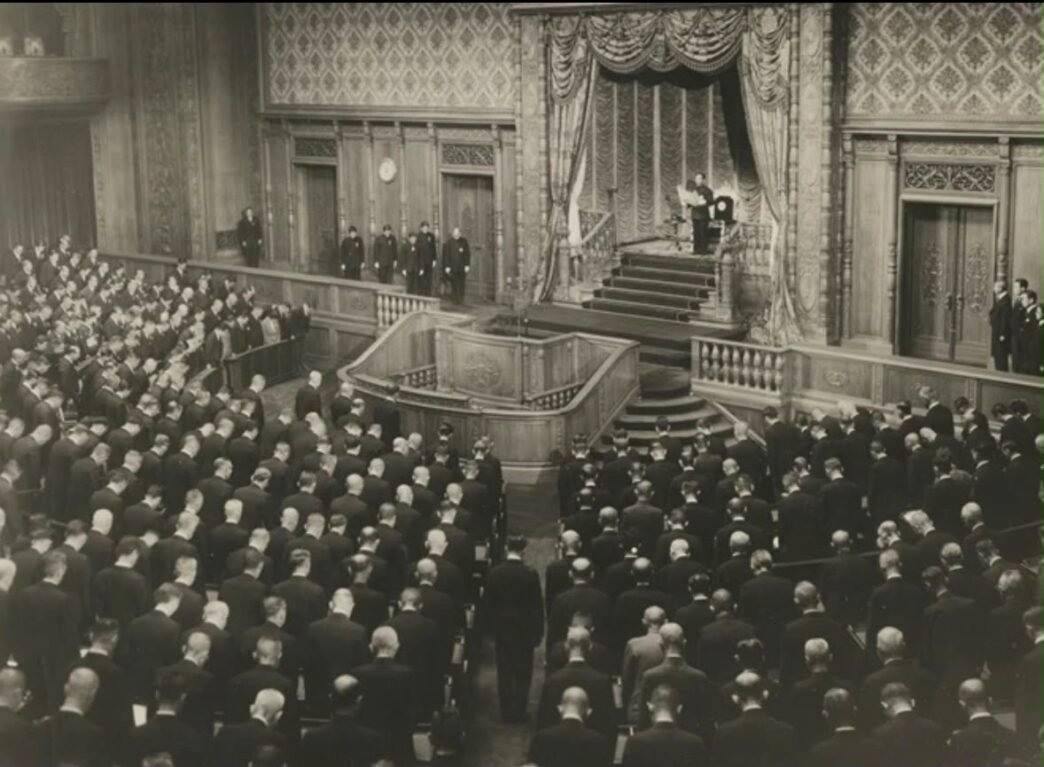
Japan marked the 80th anniversary of the promulgation of its Constitution on November 3, 2026. Introduced in the aftermath of World War II, the Constitution established a new framework for the country based on popular sovereignty, respect for fundamental human rights and pacifism.
 Asahi Travel Service Pvt Ltd
The Constitution was promulgated on November 3, 1946, and came into force on May 3, 1947. It has remained unchanged since its implementation, making its anniversary an opportunity to reflect on its role in shaping Japan’s postwar development.
Principles That Shaped Postwar Japan
The Constitution marked a significant shift in Japan’s political and legal framework following the war. It placed sovereignty with the people, established protections for fundamental rights and set out a commitment to peace.
Article 9, which renounces war and limits the use of force as a means of settling international disputes, remains one of its most widely discussed provisions. These principles have influenced Japan’s democratic institutions, public life and approach to international relations over the past eight decades.
Constitutional Revision Returns to the Spotlight
The anniversary comes at a time when constitutional revision has regained political attention. Japan’s ruling Liberal Democratic Party and its coalition partner, the Japan Innovation Party, have expressed interest in advancing the process of proposing amendments.
Supporters argue that the Constitution should address changing security conditions and modern challenges, including large-scale natural disasters. Others remain concerned about the implications of expanding government authority or changing the country’s established pacifist framework.
Despite renewed political interest, building agreement across political parties and society remains a challenge.
Emergency Powers and Disaster Preparedness
One issue in the current debate is whether Japan should introduce an explicit emergency clause into its Constitution. Advocates say such a provision could help the government respond more effectively to major disasters by clarifying its powers and responsibilities.
Critics, however, warn that emergency provisions could concentrate authority in the hands of the government. The discussion reflects a broader question about how Japan can strengthen its ability to respond to crises while protecting democratic checks and balances.
A Constitution Looking Towards the Future
Japan’s Constitution continues to serve as the foundation of its political system. Its 80th anniversary has encouraged renewed reflection on how its core principles can remain relevant as society, technology and international relations evolve.
Any amendment would require approval by at least two-thirds of the total membership of each chamber of the National Diet, followed by public approval through a national referendum. This demanding process makes broad political agreement and public participation essential to constitutional change.
Final Word
Eight decades after its promulgation, Japan’s Constitution remains central to the country’s democratic identity and postwar legacy. As debate over possible revisions continues, Japan faces the challenge of responding to contemporary needs while carefully considering the principles of peace, human rights and popular sovereignty that have shaped its development.