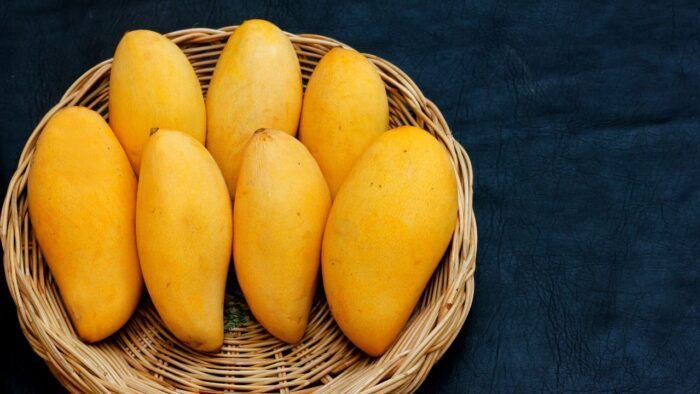
Japan has suspended fresh mango imports from India for the 2026 season after Japanese authorities identified deficiencies in fumigation and disinfection procedures at Indian treatment facilities during inspections conducted earlier this year.
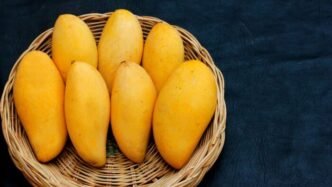
The move has disrupted exports of premium Indian mango varieties including Alphonso, Kesar, Langra, and Banganapalli during the peak April-to-June export season.
 WhatsApp Image 2024 07 01 at 13.58.28 4cfca4e0
For Indian exporters and mango growers, especially in Maharashtra and Gujarat, the suspension is a major setback because Japan is considered one of the world’s most premium and strict agricultural markets, known for paying high prices for top-quality fruit.
Japan Found Problems in India’s Export Treatment Procedures
According to reports, Japanese plant quarantine officials visited Indian treatment facilities in March 2026 and found shortcomings in fumigation and related disinfection measures required under Japan’s import standards.
The concerns reportedly involved:
● Fumigation procedures
● Vapor Heat Treatment (VHT) operations
● Disinfection protocols
● Operational compliance standards
● Export certification systems
● Phytosanitary controls
● Facility inspection requirements
Following the inspection, Japanese authorities suspended imports from Indian facilities until operational standards improve.
The Ban Is Different From the Original 20-Year Restriction
Japan had originally banned Indian mango imports decades ago over concerns related to fruit fly infestations and pest risks.
After nearly 20 years, Japan officially reopened its market to Indian mangoes in June 2006 following extensive negotiations and strict phytosanitary agreements.
However, the current suspension is different.
This time, the issue is not directly linked to pests being found inside the fruit itself. Instead, it relates to failures in the export treatment and certification processes designed to ensure the fruit meets Japan’s strict biosecurity standards.
Japan Maintains Some of the World’s Strictest Food Safety Standards
Japan is internationally recognized for maintaining extremely high agricultural and food safety regulations.
Import requirements often involve:
● Advanced pest-control systems
● Strict quarantine inspections
● Heat treatment compliance
● Fumigation verification
● Export documentation checks
● Facility certification audits
● Zero-tolerance biosecurity policies
Japanese authorities are highly cautious about invasive pests and contamination risks that could affect domestic agriculture and ecosystems.
Indian Exporters and Farmers Face Major Financial Pressure
The suspension comes at a difficult time for India’s mango industry.
Exporters are already dealing with:
● Rising air freight costs
● Weather-related crop damage
● Lower mango production
● Export uncertainty
● Supply chain disruptions
● Higher logistics expenses
● International compliance challenges
Growers in Maharashtra’s Alphonso mango belt have also reported significant crop losses this year due to extreme weather conditions.
Although Japan is not India’s largest mango export market, it remains one of the most valuable premium destinations for exporters.
Popular Indian Mango Varieties Have Been Affected
The suspension impacts several internationally recognized Indian mango varieties, including:
● Alphonso mango
● Kesar mango
● Langra mango
● Banganapalli mango
● Chausa mango
● Totapuri mango
● Mallika mango
These varieties are highly valued in premium overseas markets for their flavor, aroma, and quality.
Why the Suspension Is Drawing Attention
1. Japan Is One of the Strictest Food Import Markets
The country maintains extremely high phytosanitary and biosecurity standards.
2. The Issue Involves Export Process Failures
The suspension is linked to fumigation and treatment compliance rather than the fruit itself.
3. Premium Indian Mango Exports Are Affected
Popular varieties like Alphonso and Kesar have been impacted during peak season.
4. Farmers and Exporters Are Already Under Pressure
Rising logistics costs and weather damage have added financial stress to the industry.
Frequently Asked Questions (FAQs)
Q: Why did Japan suspend Indian mango imports?
A: Japan found deficiencies in fumigation and disinfection procedures at Indian treatment facilities during inspections in March 2026.
Q: Is this the same reason as the original mango ban?
A: No. The earlier restriction involved pest infestation concerns, while the current suspension relates to procedural and compliance failures.
Q: Which mango varieties are affected?
A: Alphonso, Kesar, Langra, Banganapalli, Chausa, Totapuri, and Mallika mangoes are among the affected varieties.
Q: Why is Japan considered an important market?
A: Japan is known for premium pricing and strict quality standards, making it a valuable export destination for Indian mango growers.
Q: What is Vapor Heat Treatment (VHT)?
A: VHT is a quarantine treatment process used to eliminate pests from mangoes before export to countries with strict biosecurity regulations.
Final Word: The Suspension Highlights the Importance of Global Export Standards
Japan’s suspension of Indian mango imports serves as a reminder that access to premium international markets depends not only on product quality but also on strict compliance with global safety and phytosanitary standards.
For India’s mango industry, the challenge now goes beyond producing world-famous fruit it also involves maintaining internationally trusted treatment, certification, and export systems.
As discussions continue between Indian and Japanese authorities, exporters and growers will be hoping for improved compliance measures and the eventual restoration of access to one of Asia’s most prestigious fruit markets.