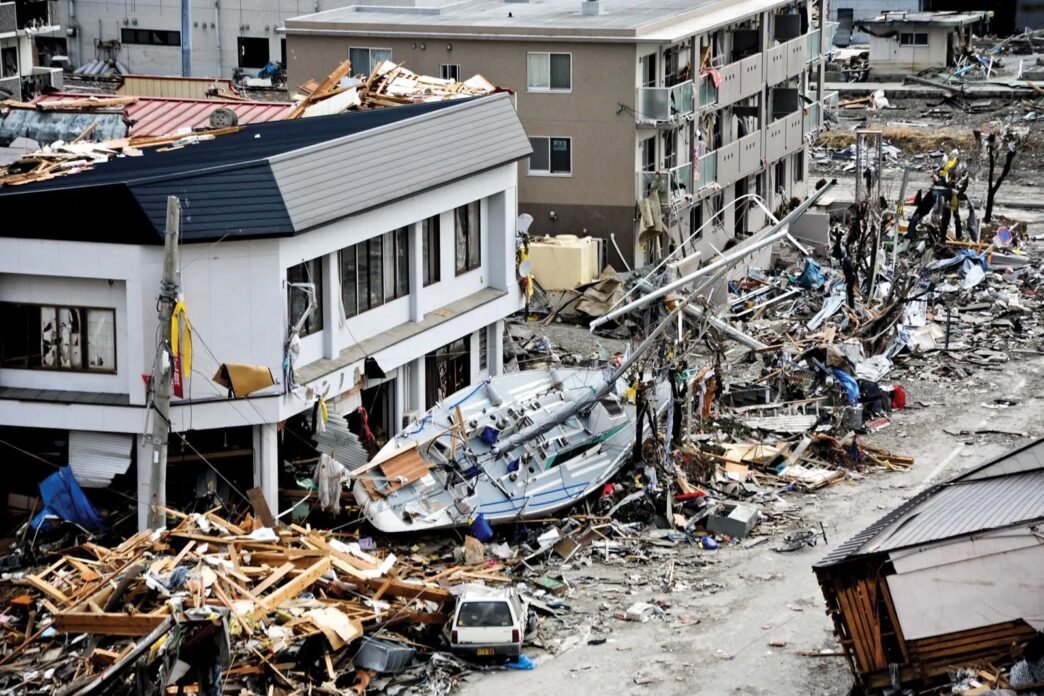
Japan is one of the world’s most earthquake-prone countries, sitting at the intersection of four major tectonic plates. The country experiences around 1,500 earthquakes each year, yet catastrophic urban collapse is relatively rare. This remarkable resilience is the result of decades of investment in cutting-edge engineering, strict building regulations, and a nationwide culture of disaster preparedness.
Rather than trying to prevent earthquakeswhich is impossible Japan focuses on ensuring that its buildings and infrastructure can withstand them.
 WhatsApp Image 2024 07 01 at 13.58.28 4cfca4e0
Why Japan Faces So Many Earthquakes
Japan lies where the Pacific, Philippine Sea, Eurasian, and North American tectonic plates meet. As these massive plates constantly shift and collide, earthquakes occur frequently.
While most are minor tremors, some can be powerful enough to test the country’s infrastructure and emergency response systems.
Engineering Designed to Move, Not Break
Japan’s modern buildings are designed to absorb and dissipate seismic energy instead of resisting it rigidly.
Key technologies include:
● Base isolation systems that separate buildings from ground movement
● Shock absorbers and dampers that reduce vibrations
● Flexible steel frameworks
● Reinforced concrete structures
● Deep foundation engineering
● Earthquake-resistant bridges and transport systems
● Continuous structural monitoring
These innovations help buildings sway safely during earthquakes rather than collapsing.
Following devastating earthquakes over the years, Japan has continually strengthened its building regulations.
Today’s standards require:
● Advanced seismic design
● Regular safety inspections
● Retrofitting of older buildings
● High-quality construction materials
● Rigorous engineering reviews
● Compliance with updated earthquake safety codes
New buildings are specifically designed to survive strong seismic events while protecting occupants.
Technology alone is not the reason for Japan’s resilience. Public awareness and preparedness are equally important.
Across the country:
● Earthquake drills are conducted regularly
● Schools teach disaster preparedness from an early age
● Early warning systems provide valuable seconds of notice
● Emergency supplies are widely available
● Communities practice evacuation procedures
● Local governments maintain disaster response plans
This culture of readiness helps reduce casualties and speeds up recovery after major earthquakes.
Japan has become a global benchmark for earthquake-resistant construction.
Advanced building technology and preparedness significantly reduce earthquake-related casualties.
Japan continues to improve seismic engineering through research and new technologies.
Many earthquake-prone countries study Japan’s building techniques and disaster management systems to improve their own resilience.
Although Japan experiences around 1,500 earthquakes every year due to its location on four tectonic plates, the country has transformed this natural challenge into a global example of resilience. Through world-class engineering, strict building standards, advanced early warning systems, and a deeply ingrained culture of disaster preparedness, Japan has shown that while earthquakes cannot be prevented, their impact can be dramatically reduced.