Japan’s Toyama Prefecture is increasingly turning to its unique kombu culture as a way to attract more foreign visitors seeking authentic culinary and cultural experiences.
Known for its deep connection to kombu — edible kelp widely used in Japanese cuisine — Toyama hopes its long-standing food traditions can help strengthen tourism and introduce international travelers to a lesser-known side of Japan.
 WhatsApp Image 2024 07 01 at 13.58.28 4cfca4e0
Local communities, restaurants, and tourism groups are now highlighting kombu-based cuisine and regional food heritage as part of broader efforts to promote sustainable tourism in the region.
Toyama’s Kombu Tradition Dates Back Centuries
Toyama’s relationship with kombu traces back hundreds of years through historical trade routes connecting northern Japan with the Hokuriku region.
Although kombu is mainly harvested in Hokkaido, Toyama became one of Japan’s major centers for kombu consumption and culinary innovation.
The tradition developed through:
● Historic coastal trade routes
● Seafood preservation techniques
● Local cooking customs
● Regional food culture
● Merchant networks
● Traditional Japanese cuisine
● Family-run food businesses
Today, kombu remains deeply integrated into everyday meals and local identity across Toyama.
Kombu Cuisine Becomes a Tourism Attraction
Toyama is now promoting kombu cuisine as a distinctive tourism experience for international visitors interested in Japanese food culture beyond major cities like Tokyo and Kyoto.
Popular kombu-related dishes and products include:
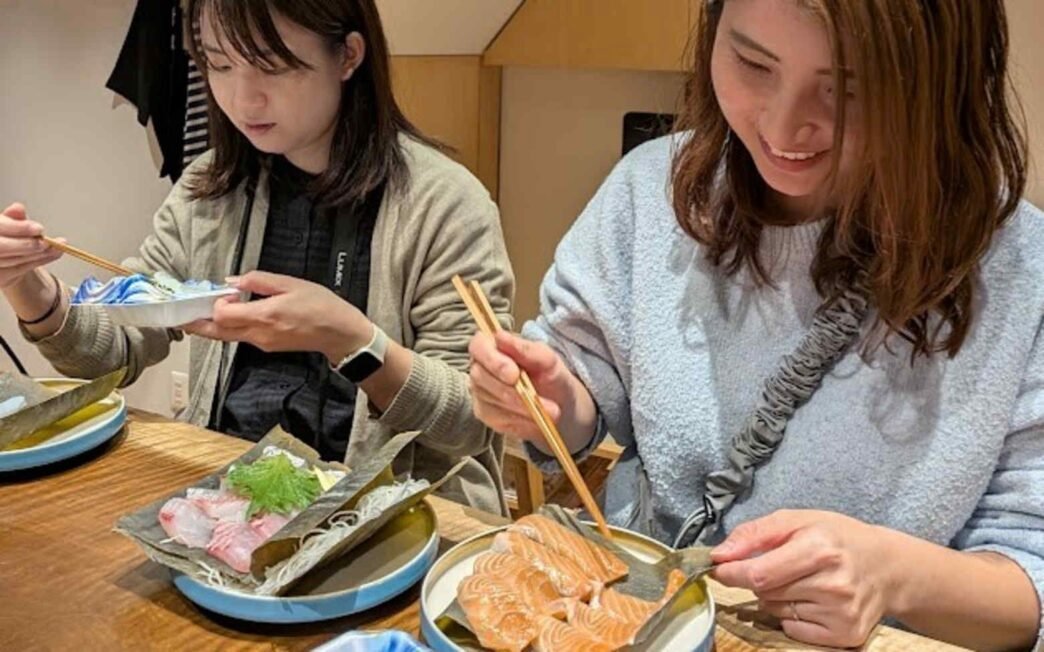
● Kombu-jime seafood
● Seaweed-infused rice dishes
● Kombu ramen
● Traditional soups
● Pickled vegetables
● Kombu snacks
● Regional seafood specialties
Restaurants and local food producers are increasingly offering tasting experiences and cultural explanations aimed at foreign travelers.
Culinary Tourism Continues Growing in Japan
Japan has seen rising global interest in regional culinary tourism as visitors search for authentic local experiences.
Toyama officials believe kombu culture offers travelers a chance to experience:
● Traditional Japanese cooking
● Local food craftsmanship
● Regional seafood culture
● Historical trade heritage
● Sustainable food traditions
● Rural tourism experiences
● Community-based hospitality
The prefecture hopes food-centered tourism can encourage longer stays and repeat visits.
Foreign Visitors Explore Regional Japan
Japan’s tourism industry has increasingly encouraged travelers to visit regional destinations outside heavily crowded urban centers.
Toyama, located in the Hokuriku region, offers access to:
● Coastal scenery
● Mountain landscapes
● Traditional fishing culture
● Local markets
● Historic towns
● Seasonal seafood
● Cultural festivals
Tourism officials see kombu culture as part of a broader effort to showcase the region’s distinct identity.
Local Businesses Hope To Benefit
Restaurants, seafood suppliers, and small family businesses in Toyama are also hoping increased tourism interest can support local economies.
Many businesses are now focusing on:
● Food-based experiences
● Multilingual tourism support
● Cultural storytelling
● Cooking workshops
● Traditional product sales
● Regional branding
● International outreach
Some local producers are also expanding online promotion to reach overseas audiences interested in Japanese cuisine.
Japanese Food Heritage Gains Global Attention
Japanese cuisine continues receiving growing international recognition for its emphasis on seasonal ingredients, craftsmanship, and regional diversity.
Experts note that lesser-known food traditions like Toyama’s kombu culture help showcase the depth of Japan’s culinary heritage beyond sushi and ramen.
Key attractions include:
● Regional specialties
● Traditional preparation methods
● Seafood culture
● Fermentation techniques
● Local ingredients
● Historical food practices
● Cultural authenticity
This growing interest has helped smaller Japanese destinations gain visibility among global travelers.
Why Toyama’s Kombu Culture Matters
1. Regional Food Tourism Is Expanding
Travelers are increasingly seeking authentic culinary experiences outside major cities.
2. Kombu Reflects Deep Cultural Heritage
Toyama’s kombu traditions are tied to centuries of history and local identity.
3. Local Businesses Could Benefit From Tourism
Restaurants and producers hope international interest boosts regional economies.
4. Japan Continues Promoting Cultural Tourism
Regional traditions are becoming central to Japan’s tourism strategy.
Frequently Asked Questions (FAQs)
Q: What is kombu?
A: Kombu is edible kelp commonly used in Japanese cuisine for broth, seasoning, and preserved dishes.
Q: Why is Toyama famous for kombu culture?
A: Toyama developed a strong kombu tradition through historical trade routes and regional culinary practices.
Q: What is kombu-jime?
A: Kombu-jime is a traditional Japanese method of preserving seafood by wrapping it in kombu seaweed.
Q: Why are foreign tourists interested in regional Japanese food culture?
A: Many travelers seek authentic local experiences, traditional cuisine, and cultural heritage beyond major tourist cities.
Q: Where is Toyama located?
A: Toyama Prefecture is located in Japan’s Hokuriku region along the Sea of Japan coast.
Final Word: Toyama Uses Food Heritage To Promote Tourism
Toyama’s centuries-old kombu culture is becoming an important part of the region’s strategy to attract foreign visitors and showcase authentic Japanese traditions.
By promoting regional cuisine, cultural storytelling, and local food experiences, the prefecture hopes to strengthen tourism while preserving its culinary heritage for future generations.
As interest in Japan’s regional food culture continues growing globally, Toyama’s kombu traditions may become an increasingly important symbol of sustainable and experience-driven tourism.