
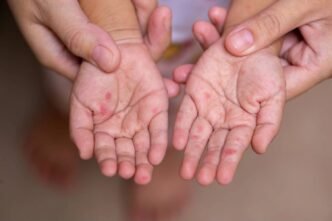
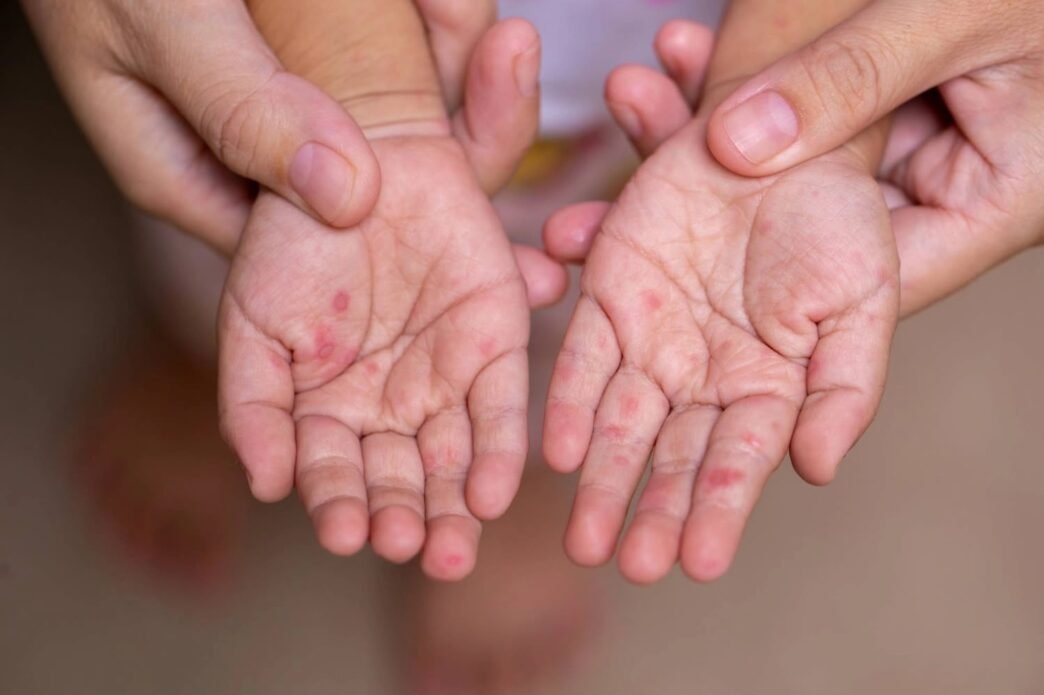
Japan is experiencing a significant increase in hand, foot and mouth disease (HFMD) cases, with health authorities urging the public to remain vigilant and follow preventive hygiene measures. The viral illness, which primarily affects infants and young children, tends to spread more easily during the warmer months through close contact, respiratory droplets, and contaminated surfaces.
Medical officials are encouraging parents, schools, and childcare facilities to monitor symptoms closely and practice good hygiene to help limit transmission. While most cases are mild and resolve within a week to ten days, some patients may require medical attention if complications develop.
 WhatsApp Image 2024 07 01 at 13.58.28 4cfca4e0
Symptoms and Prevention
Hand, foot and mouth disease is a common viral infection that spreads quickly in settings where young children gather.
Key symptoms include:
- Fever
- Painful mouth sores
- Rash or blisters on the hands and feet
- Sore throat
- Reduced appetite
- Fatigue
Health experts recommend frequent handwashing, disinfecting shared surfaces, avoiding close contact with infected individuals, and keeping sick children at home until they recover.
Health Authorities Urge Vigilance
Officials are closely monitoring the rise in cases and encouraging healthcare providers, schools, and families to take preventive measures. Early recognition of symptoms and prompt medical consultation can help reduce the spread of the disease and ensure appropriate care.
Although adults can also become infected, children under the age of five remain the most vulnerable group.
Seasonal Rise in Cases
Japan typically records an increase in hand, foot and mouth disease during the summer months. Public health authorities continue to promote awareness campaigns, emphasizing personal hygiene and infection control to minimize outbreaks in schools and daycare centers.
Why This Matters
1. Protecting Children
Young children are the group most commonly affected by the virus.
2. Preventing Community Spread
Good hygiene and early isolation of infected individuals can reduce transmission.
3. Supporting Public Health
Health authorities are monitoring the outbreak and providing guidance to schools and families.
4. Raising Awareness
Recognizing symptoms early helps ensure timely medical care and reduces the risk of wider outbreaks.
Final Word
The recent surge in hand, foot and mouth disease cases across Japan highlights the importance of hygiene, early symptom recognition, and preventive measures. While the illness is generally mild, increased awareness and responsible health practices can help protect children, families, and communities during the seasonal outbreak.