
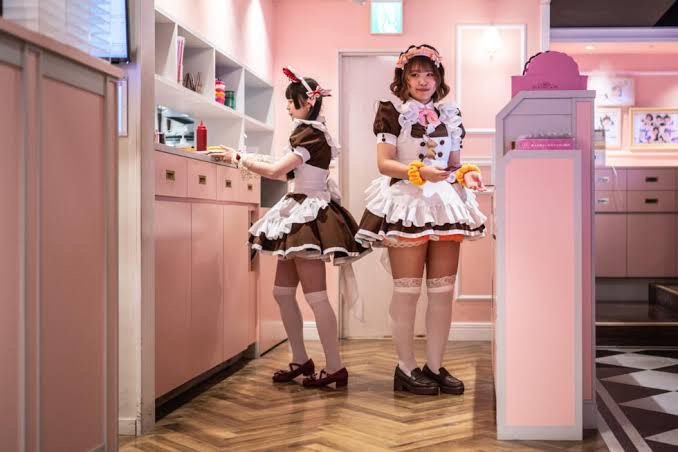
Once considered a niche gathering place for anime enthusiasts and “otaku” culture fans, Japan’s famous maid cafés have transformed into one of the country’s most unique tourist attractions, drawing visitors from across the globe.
Known for their distinctive blend of entertainment, hospitality, and pop culture, maid cafés have become a symbol of modern Japanese subculture and a must-visit experience for many international tourists exploring Tokyo.
 WhatsApp Image 2024 07 01 at 13.58.28 4cfca4e0
Today, these themed establishments represent a fascinating intersection of anime culture, tourism, and Japan’s globally recognized creative industries.
Maid Cafés Originated in Tokyo’s Anime District
The concept of maid cafés first gained popularity in Tokyo’s famous Akihabara district, often regarded as the center of Japan’s anime, gaming, and technology culture.
Key characteristics of maid cafés include:
● Themed hospitality experiences
● Anime-inspired environments
● Character-based customer service
● Interactive entertainment
● Decorative food presentations
● Cosplay culture
● Pop culture performances
Staff members typically dress in maid-inspired costumes and welcome customers as honored guests in a playful and immersive setting.
International Tourists Are Driving New Popularity
What was once primarily a destination for dedicated anime fans has increasingly attracted mainstream travelers.
Visitors are drawn by:
● Unique cultural experiences
● Japanese pop culture
● Anime and manga fandom
● Social media popularity
● Interactive entertainment
● Distinctive dining concepts
● Tokyo sightseeing experiences
As Japan’s tourism industry continues recovering and expanding, themed cafés have become a major attraction for international visitors seeking experiences unavailable elsewhere.
Maid Cafés Reflect Japan’s Creative Entertainment Industry
The growth of maid cafés highlights the influence of Japan’s creative economy and entertainment culture.
Related industries include:
● Anime production
● Manga publishing
● Video games
● Cosplay events
● Character merchandising
● Pop idol culture
● Digital entertainment
Japan’s ability to transform niche cultural interests into globally recognized attractions has become a major strength of its tourism sector.
Akihabara Remains the Heart of Otaku Culture
While maid cafés can now be found in several Japanese cities, Akihabara remains their most famous home.
The district is known for:
● Anime stores
● Gaming centers
● Electronics markets
● Collectible shops
● Themed restaurants
● Pop culture events
● Entertainment venues
Millions of visitors visit Akihabara each year to experience Japan’s vibrant subculture scene.
Social Media Has Boosted Global Interest
Platforms such as YouTube, Instagram, TikTok, and travel blogs have helped introduce maid cafés to audiences worldwide.
Popular online content often showcases:
● Themed food creations
● Interactive performances
● Café interiors
● Japanese pop culture experiences
● Tourist reactions
● Cosplay entertainment
● Unique hospitality traditions
The visual and interactive nature of maid cafés makes them especially appealing for social media sharing.
Japan Continues Expanding Experiential Tourism
Japan has increasingly focused on tourism experiences that go beyond traditional sightseeing.
Popular experiential attractions include:
● Anime tourism
● Cultural workshops
● Traditional festivals
● Theme cafés
● Gaming experiences
● Food tourism
● Historical heritage tours
Maid cafés have become part of a broader trend where visitors seek immersive and memorable cultural experiences.
Why Japan’s Maid Cafés Are Drawing Global Attention
1. They Offer a Unique Cultural Experience
Maid cafés combine hospitality, entertainment, and Japanese pop culture in a way found nowhere else.
2. Anime Tourism Continues Growing
International interest in anime and manga has helped increase visitor numbers.
3. Social Media Has Increased Visibility
Videos and travel content have introduced the concept to millions worldwide.
4. They Represent Modern Japanese Pop Culture
Maid cafés have become symbols of Japan’s creative and entertainment industries.
Frequently Asked Questions (FAQs)
A: A maid café is a themed restaurant where staff dressed in maid-inspired costumes provide interactive hospitality and entertainment experiences.
Q: Where are maid cafés most popular in Japan?
A: They are most closely associated with Tokyo’s Akihabara district, the center of anime and otaku culture.
Q: Why do tourists visit maid cafés?
A: Visitors are attracted by the unique atmosphere, anime-inspired themes, entertainment, and cultural novelty.
Q: Are maid cafés only for anime fans?
A: No. While they originated within anime culture, many international tourists visit simply to experience a distinctive aspect of Japanese pop culture.
Q: How have maid cafés changed over time?
A: They have evolved from niche gathering places for enthusiasts into internationally recognized tourist attractions.
Final Word: A Niche Subculture Becomes a Global Tourism Phenomenon
Japan’s maid cafés demonstrate how the country’s unique pop culture has evolved into a powerful tourism asset capable of attracting visitors from around the world.
What began as a small part of Tokyo’s anime subculture has grown into a globally recognized cultural experience that reflects Japan’s creativity, entertainment industry, and ability to turn niche interests into international attractions.
As anime and Japanese pop culture continue expanding worldwide, maid cafés are likely to remain one of the most distinctive and memorable experiences available to visitors in Japan.