



A Life Dedicated to the Stage
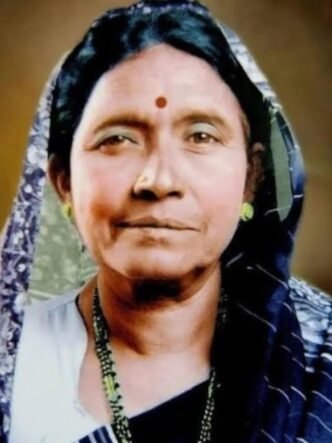
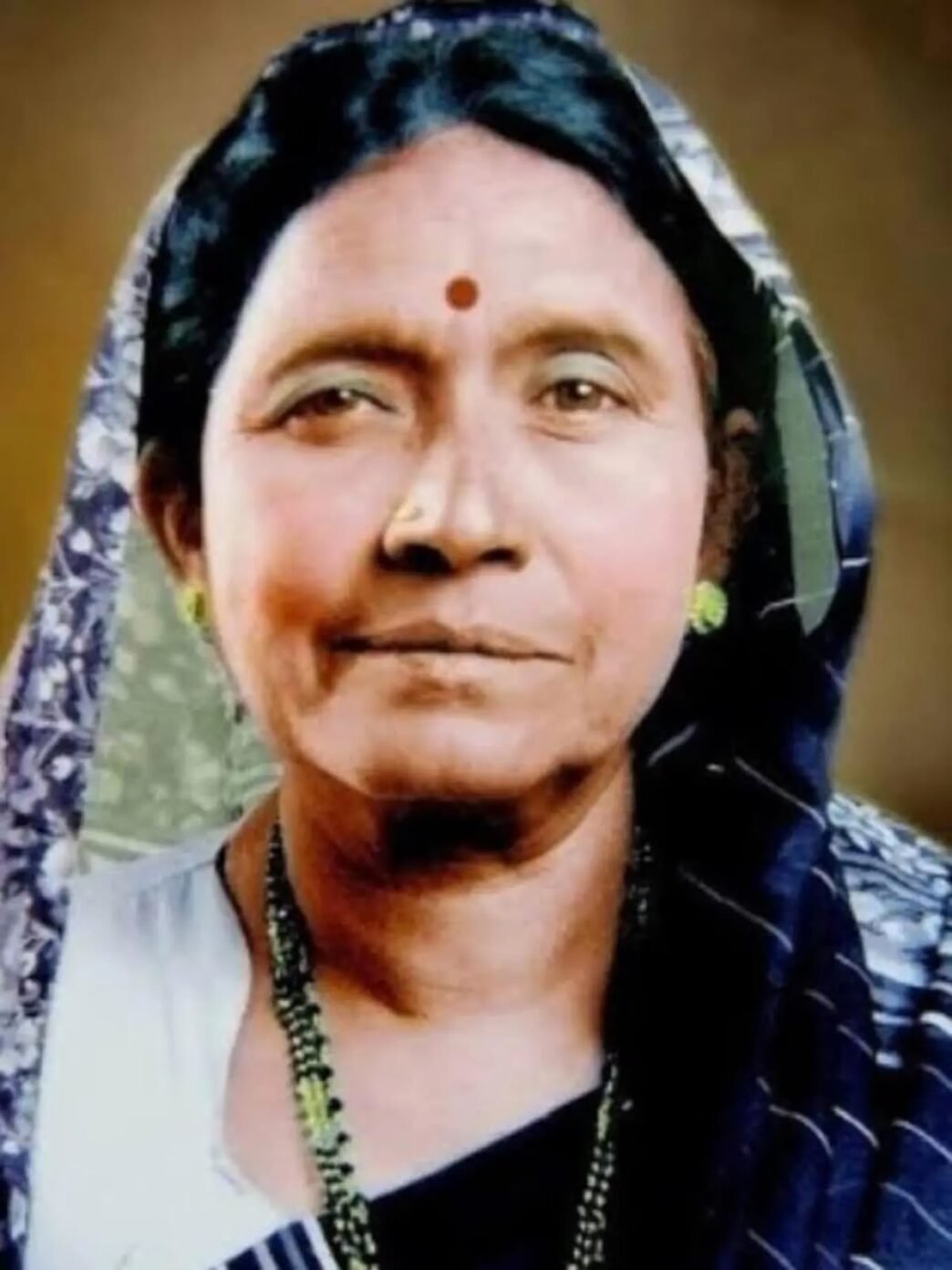
Maharashtra’s legendary Lavani and Tamasha performer Vithabai Bhau Mang Narayangaonkar built a life around preserving and performing traditional folk art. Known for her powerful stage presence and extraordinary dedication, she became one of the most respected names in Maharashtra’s folk theatre.
 Asahi Travel Service Pvt Ltd
One of the most widely remembered stories about her is that she continued performing even when she was nine months pregnant. According to accounts of her life, she went into labour during a Tamasha performance, delivered her baby backstage and was prepared to return to the stage. The audience eventually stopped the performance and urged her to rest. The incident became a lasting symbol of her commitment to her art.
Growing Up in Maharashtra’s Tamasha Tradition
Born on July 1, 1935, in Pandharpur, in Maharashtra’s Solapur district, Vithabai grew up in a family deeply connected to folk performance. Her grandfather, Narayan Khude, established a travelling Tamasha troupe, while her father, Bhau Bapu Narayangaonkar, continued the tradition.
She began performing at a young age and learned through years of travelling and appearing before audiences across rural Maharashtra. Her talent in Lavani, Gavlan and other folk performance styles helped her become a leading figure in the state’s cultural landscape.
Renowned Marathi playwright Mama Varerkar also recognised her abilities and invited her to work with his troupe, giving her further opportunities to develop as a performer.
Choosing Her Troupe Over Film Stardom
As Vithabai’s popularity increased, she reportedly received offers to work in films, including an opportunity associated with legendary filmmaker Raj Kapoor.
However, she chose to remain with Tamasha rather than pursue a career in cinema. Accounts of her life suggest that she was concerned about the livelihoods of the performers who depended on her troupe. Leaving the stage, she believed, could affect the many artists and families connected to it.
Her decision reflected a commitment that went beyond personal recognition. She remained dedicated to the folk tradition that had shaped her identity and career.
Recognition for Her Contribution to Folk Culture
Vithabai’s contribution to Lavani and Tamasha earned her national recognition. She received Presidential honours in 1957 and 1990 for her work in folk performance.
She also supported the welfare of Tamasha artists and understood the financial difficulties faced by performers working in traditional theatre. Her legacy is remembered not only through her performances but also through her efforts to keep the art form alive.
Despite her achievements, her later years were marked by financial and health difficulties. She passed away on January 15, 2002. In 2006, the Maharashtra government introduced the Vithabai Narayangaonkar Lifetime Achievement Award to honour senior Tamasha performers.
Shraddha Kapoor to Bring Her Story to the Big Screen
Vithabai’s extraordinary journey is reaching a new generation through Eetha, an upcoming film starring Shraddha Kapoor. Directed by Laxman Utekar, the film draws inspiration from the legendary performer’s life and the wider world of Maharashtra’s Tamasha tradition.
The film also features Randeep Hooda, Nana Patekar, Mohammed Zeeshan Ayyub and Siddharth Jadhav in important roles. Its trailer has brought renewed attention to Vithabai’s story, particularly the remarkable childbirth incident associated with her dedication to performing.
The filmmakers have clarified that Eetha is inspired by Vithabai’s life and is not intended as a direct biopic. The film is scheduled to release in cinemas on December 4, 2026.
Final Word
Vithabai Narayangaonkar’s life represents the dedication of artists who devote themselves to keeping cultural traditions alive. She chose her troupe and her art even when other opportunities were available, leaving behind a legacy that extends beyond fame and awards.
Through Eetha, her journey is set to reach audiences who may be discovering Maharashtra’s Lavani and Tamasha traditions for the first time. Her story is a reminder that preserving an art form often requires the commitment of generations of performers.

