
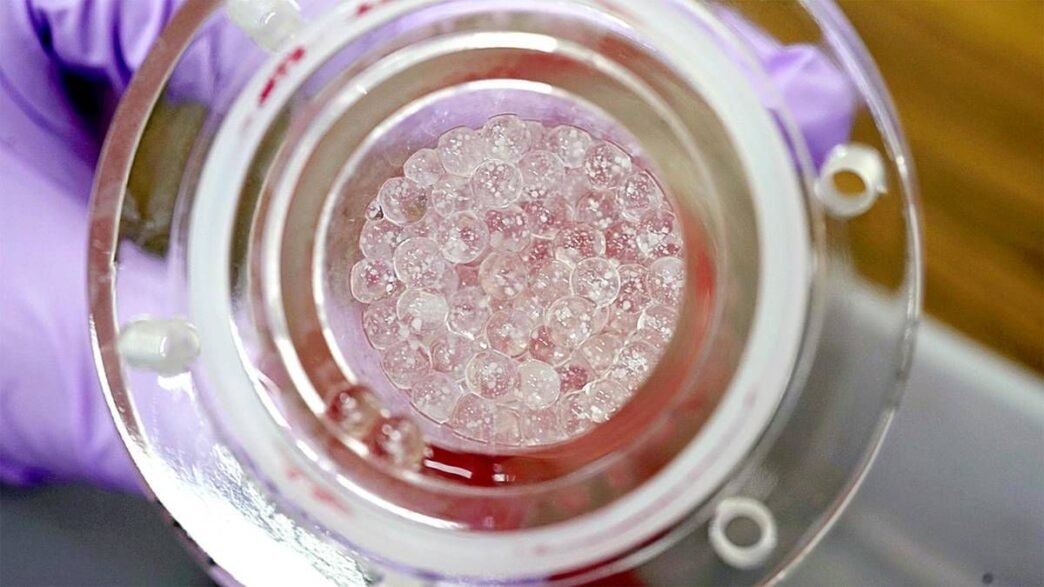
Japanese researchers have achieved a major breakthrough in regenerative medicine by developing a bio-artificial liver using induced pluripotent stem (iPS) cells, a technology that could one day transform the treatment of liver disease and reduce dependence on organ transplants.
The innovative development represents a significant step forward in artificial organ research and could provide new hope for millions of patients worldwide suffering from severe liver conditions.
 WhatsApp Image 2024 07 01 at 13.58.28 4cfca4e0
Scientists believe the technology has the potential to reshape future healthcare by creating new treatment options for organ failure.
What Is a Bio-Artificial Liver?
A bio-artificial liver is a laboratory-developed system designed to perform some of the critical functions of a human liver.
Its potential capabilities include:
● Processing toxins
● Supporting metabolism
● Assisting liver function
● Stabilizing patients with liver failure
● Supporting recovery processes
● Reducing transplant dependency
● Enhancing regenerative treatment options
Researchers hope future versions of the technology could provide long-term solutions for patients with advanced liver disease.
iPS Cells Are at the Heart of the Breakthrough
The project uses induced pluripotent stem cells, commonly known as iPS cells.
These cells can be created by reprogramming adult cells into a state capable of developing into various tissue types.
Potential applications of iPS cells include:
● Organ regeneration
● Tissue engineering
● Personalized medicine
● Disease research
● Drug development
● Cell-based therapies
● Advanced biomedical innovation
Japan has remained one of the global leaders in iPS cell research since the technology first gained international recognition.
Liver Disease Remains a Global Healthcare Challenge
Liver disorders continue to affect millions of people worldwide.
Common conditions include:
● Liver failure
● Cirrhosis
● Hepatitis-related complications
● Fatty liver disease
● Genetic liver disorders
● Acute liver injury
● Chronic liver conditions
One of the biggest challenges in treating severe liver disease is the limited availability of donor organs.
Could Artificial Organs Reduce the Need for Transplants?
The development of bio-artificial organs is considered one of the most promising areas in modern medicine.
Potential future benefits include:
● Reduced waiting times for patients
● Lower dependence on donor organs
● Improved treatment accessibility
● Enhanced patient survival rates
● Personalized medical solutions
● Advanced regenerative therapies
● New options for critical care treatment
Although the technology remains under development, researchers view it as an important step toward future organ replacement solutions.
Japan Continues Leading Regenerative Medicine Innovation
Japan has become internationally recognized for advancements in regenerative medicine and biotechnology.
Key research areas include:
● Stem cell therapies
● Organ regeneration
● Tissue engineering
● Precision medicine
● Biomedical technology
● Cell-based healthcare solutions
● Advanced medical devices
The country’s continued investment in scientific research has helped position it at the forefront of next-generation healthcare innovation.
The Future of Organ Replacement May Be Changing
Experts believe technologies like bio-artificial livers could eventually pave the way for broader medical breakthroughs.
Future possibilities include:
● Artificial kidneys
● Regenerated heart tissue
● Lab-grown organs
● Personalized organ therapies
● Advanced transplant support systems
● Cell-based replacement treatments
● Next-generation regenerative medicine
Scientists see these developments as part of a larger transformation in healthcare and life sciences.
Why This Breakthrough Is Drawing Global Attention
1. It Could Reduce Reliance on Organ Donors
Bio-artificial organs may help address global organ shortages in the future.
2. Japan Is Leading Stem Cell Innovation
The country remains one of the world’s most important centers for iPS cell research.
3. Millions Suffer from Liver Disease
New treatment options are urgently needed worldwide.
4. It Represents a Major Medical Advancement
Artificial organ technology could reshape the future of healthcare.
Frequently Asked Questions (FAQs)
Q: What is a bio-artificial liver?
A: A bio-artificial liver is a laboratory-developed system designed to perform certain functions of a natural human liver.
A: Induced pluripotent stem cells are adult cells that have been reprogrammed to develop into different types of tissues and organs.
Q: Why is this research important?
A: It could lead to future alternatives to traditional organ transplants and help address donor shortages.
Q: Can the technology replace liver transplants today?
A: The research is still being developed and requires further testing before widespread clinical use.
Q: Why is Japan prominent in this field?
A: Japan has invested heavily in regenerative medicine and has been a global leader in stem cell research for many years.
Final Word: A New Era for Regenerative Medicine May Be Emerging
Japan’s development of a bio-artificial liver using iPS cells highlights the remarkable progress being made in regenerative medicine and organ engineering.
While significant research and clinical testing remain ahead, the breakthrough demonstrates the growing potential of biotechnology to address some of medicine’s biggest challenges.
If successful in future clinical applications, bio-artificial organs could transform how doctors treat organ failure, offering new hope to patients and helping shape a future where life-saving treatments are more accessible than ever before.