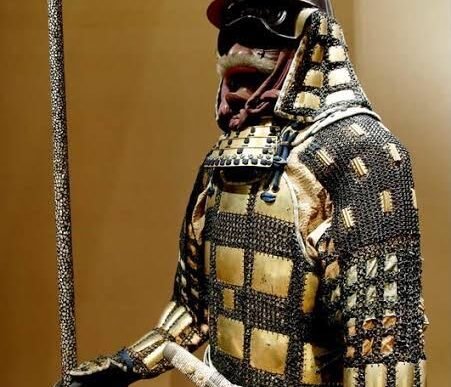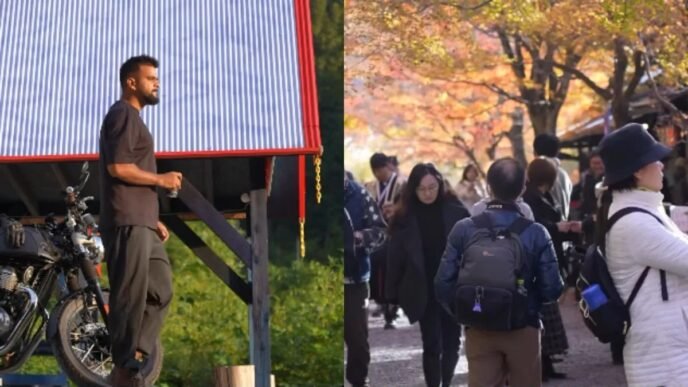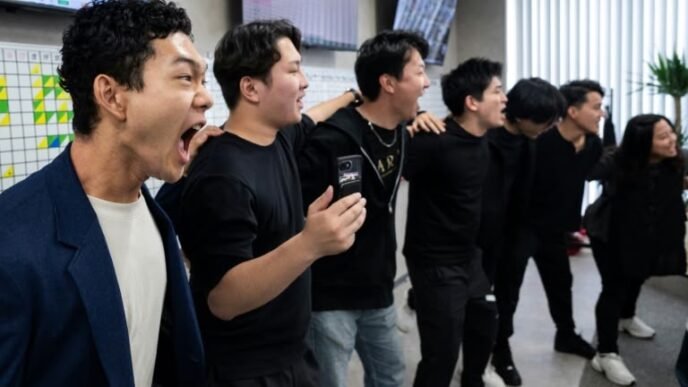


A growing number of young workers in Japan are embracing elements of the country’s traditional corporate machismo culture, prompting fresh discussions about workplace expectations, leadership styles, and gender equality. While many companies have introduced reforms to promote diversity, flexible working arrangements, and healthier work-life balance, some younger employees are showing renewed support for long working hours, hierarchical management, and highly competitive workplace environments.
The trend has surprised observers, as it contrasts with recent efforts to modernize Japan’s corporate culture. Supporters argue that these traditional values encourage discipline, teamwork, and professional commitment, while critics warn that they could undermine progress toward more inclusive and employee-friendly workplaces.
 WhatsApp Image 2024 07 01 at 13.58.28 4cfca4e0
A Shift in Workplace Attitudes
The evolving mindset among some young professionals reflects changing perspectives on career success and workplace identity.
Key developments include:
● Renewed interest in traditional corporate values
● Greater acceptance of hierarchical workplace structures
● Strong emphasis on dedication and career advancement
● Ongoing debate over work-life balance
● Discussions around gender equality and workplace diversity
● Mixed reactions from employers and employees
The trend highlights the complexity of balancing long-standing business traditions with modern workplace expectations.
Balancing Tradition and Reform
Japan has spent years encouraging companies to reduce excessive overtime, improve employee well-being, and create more inclusive workplaces. However, the apparent revival of traditional corporate ideals suggests that some younger professionals see value in aspects of the country’s historic work ethic, particularly as they seek career growth and stability.
Experts note that businesses may need to balance these differing expectations while continuing to support employee welfare and productivity.
Shaping the Future of Japan’s Workplace
The debate reflects broader questions about how Japan’s corporate culture should evolve in a rapidly changing economy. Companies are increasingly challenged to preserve positive aspects of teamwork and commitment while avoiding practices that can contribute to burnout, inequality, or unhealthy work environments.
1. Changing Workplace Culture
Young employees are influencing how Japan’s corporate environment continues to evolve.
2. Work-Life Balance Debate
The trend raises questions about balancing ambition with employee well-being.
3. Diversity and Inclusion
It highlights ongoing discussions about gender equality and modern workplace practices.
4. Business Competitiveness
Organizations must adapt to changing workforce expectations while maintaining productivity.
The renewed interest in traditional corporate machismoamong some young workers has added a new dimension to the conversation about Japan’s evolving workplace culture. As businesses navigate competing expectations, the challenge will be finding a balance between preserving a strong work ethic and fostering inclusive, healthy, and sustainable working environments.