
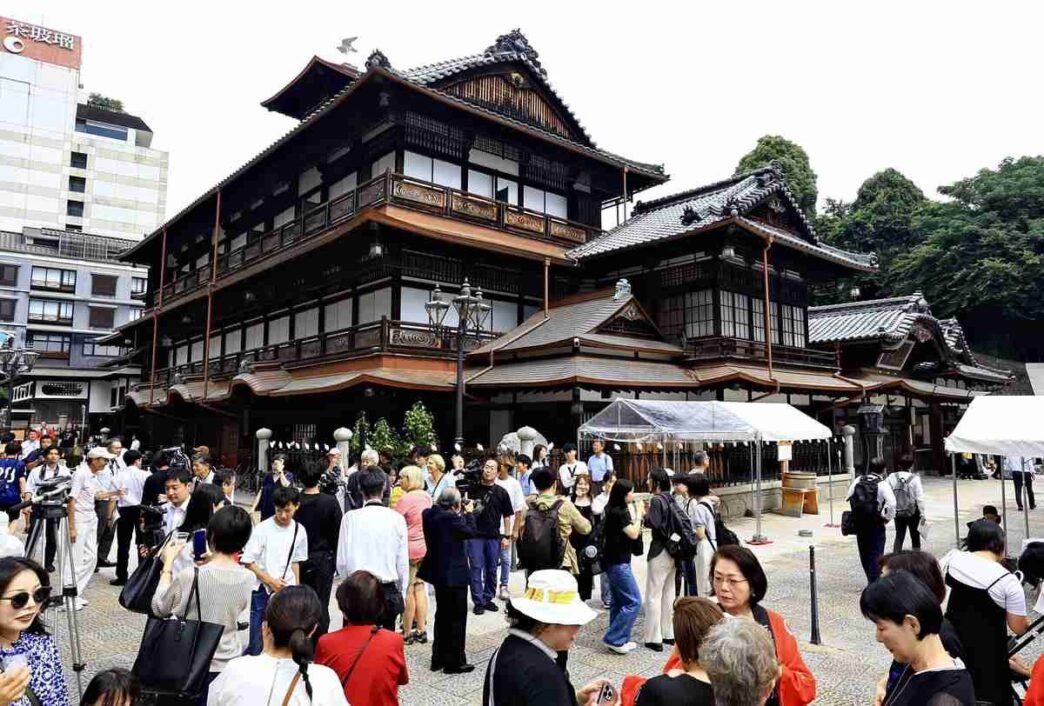
Japan is moving forward with efforts to secure UNESCO recognition for its centuries-old hot spring culture, aiming to preserve and promote one of the country’s most cherished traditions.
Known locally as “onsen” culture, Japan’s hot springs have long been an integral part of daily life, wellness practices, tourism, and regional identity. Officials and cultural organizations hope UNESCO registration will help protect this unique heritage while introducing its cultural significance to a wider global audience.
 WhatsApp Image 2024 07 01 at 13.58.28 4cfca4e0
The initiative reflects Japan’s ongoing commitment to preserving traditional customs in a rapidly modernizing world.
Hot Springs Have Been Part of Japanese Life for Centuries
Japan’s volcanic geography has blessed the country with thousands of natural hot springs spread across its islands.
For generations, hot springs have served as places for:
● Relaxation and wellness
● Community gatherings
● Cultural traditions
● Tourism and hospitality
● Spiritual reflection
● Regional economic development
● Traditional health practices
Many historic hot spring towns have become iconic destinations that attract both domestic and international visitors.
Onsen Culture Is More Than Just Bathing
Japanese hot spring culture extends far beyond the simple act of bathing.
Key elements include:
● Traditional inns (ryokan)
● Local cuisine
● Community customs
● Hospitality traditions
● Scenic natural settings
● Seasonal tourism experiences
● Regional cultural identity
For many visitors, an onsen experience offers an opportunity to connect with Japanese traditions, nature, and local communities.
UNESCO Recognition Could Strengthen Cultural Preservation
The proposed UNESCO registration aims to safeguard traditional practices and encourage future generations to continue preserving them.
Potential benefits include:
● Greater international recognition
● Cultural preservation efforts
● Increased tourism awareness
● Protection of traditional knowledge
● Support for rural communities
● Educational opportunities
● Enhanced global cultural exchange
UNESCO listings often help highlight the importance of protecting intangible cultural traditions.
Hot Spring Tourism Plays a Major Economic Role
Japan’s onsen destinations contribute significantly to local economies.
Popular benefits include:
● Tourism revenue
● Job creation
● Regional development
● Small business support
● Cultural tourism promotion
● Hospitality industry growth
● International visitor attraction
Many rural communities rely heavily on hot spring tourism as a key economic driver.
Japan Is Home to Thousands of Onsen Destinations
The country features a remarkable variety of hot spring resorts and bathing experiences.
Famous onsen regions include:
● Beppu
● Kusatsu Onsen
● Hakone
● Noboribetsu
● Gero Onsen
● Traditional mountain resorts
● Historic spa towns
Each destination offers unique mineral-rich waters, landscapes, and cultural experiences.
Cultural Heritage Continues Gaining Global Attention
Around the world, governments and cultural organizations are working to preserve traditional practices and intangible heritage.
Areas often considered for recognition include:
● Traditional crafts
● Culinary traditions
● Performing arts
● Community customs
● Festivals and rituals
● Indigenous knowledge
● Historic cultural practices
Japan has successfully secured UNESCO recognition for several cultural traditions in recent years.
Why Japan’s UNESCO Bid Is Drawing Attention
1. Hot Springs Are Deeply Connected to Japanese Culture
Onsen traditions have been part of Japanese life for centuries.
2. The Initiative Supports Cultural Preservation
UNESCO recognition could help protect important traditions for future generations.
3. Tourism Could Receive a Major Boost
International awareness may attract more visitors to Japan’s hot spring destinations.
4. Rural Communities Could Benefit
Many onsen towns rely heavily on tourism and cultural heritage.
Frequently Asked Questions (FAQs)
Q: What is Japan seeking UNESCO recognition for?
A: Japan is seeking UNESCO registration for its traditional hot spring, or onsen, culture.
Q: Why are hot springs important in Japan?
A: Hot springs are deeply connected to Japanese wellness, hospitality, tourism, and cultural traditions.
Q: What could UNESCO recognition achieve?
A: It could help preserve traditional practices, increase global awareness, and support tourism development.
A: An onsen is a natural hot spring bath, typically rich in minerals and often located in scenic resort areas.
Q: How many hot springs are there in Japan?
A: Japan has thousands of hot spring sources and hundreds of well-known onsen destinations across the country.
Final Word: Japan Seeks Global Recognition for a Timeless Tradition
Japan’s effort to secure UNESCO recognition for its hot spring culture highlights the enduring importance of onsen traditions in the nation’s history and identity.
Far more than places to bathe, hot springs represent community, wellness, hospitality, and a deep connection to nature that has been passed down through generations.
As Japan works to preserve this treasured heritage, UNESCO recognition could help ensure that one of the country’s most beloved cultural traditions continues to thrive and inspire visitors from around the world.