
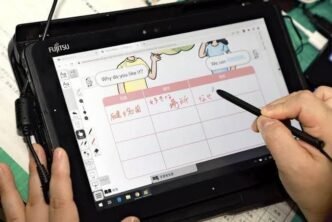
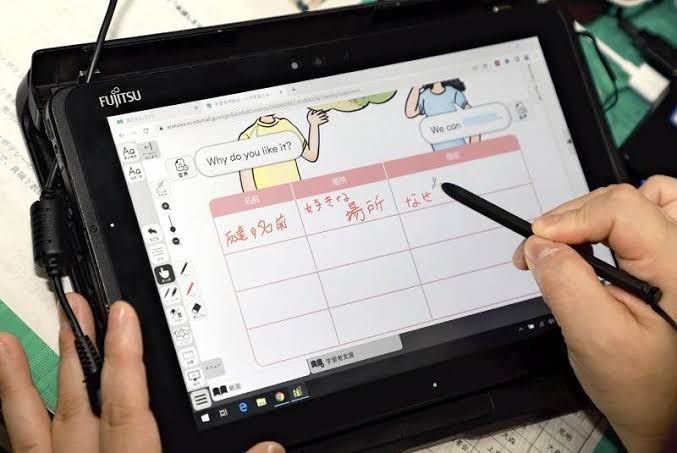
Japan has taken a major step toward modernizing its education system by officially recognizing digital textbooksfor use in schools, paving the way for greater integration of technology into classrooms nationwide.
The move reflects Japan’s commitment to preparing students for a digital future while providing teachers with more flexible and interactive learning tools. The policy is expected to gradually transform how educational content is delivered across elementary and secondary schools.
 WhatsApp Image 2024 07 01 at 13.58.28 4cfca4e0
Japan Accelerates Its Digital Education Transformation
The official adoption of digital textbooks is part of a broader effort to modernize teaching and learning across the country.
Key objectives include:
● Enhancing classroom engagement
● Expanding access to digital learning materials
● Supporting personalized education
● Improving teaching efficiency
● Promoting digital literacy
● Reducing dependence on printed materials
● Preparing students for future careers
The initiative aligns with Japan’s long-term vision of creating a more technology-driven education system.
Digital Textbooks Offer Interactive Learning Experiences
Unlike traditional printed books, digital textbooks provide students with dynamic educational resources.
Features may include:
● Interactive graphics and animations
● Audio and video content
● Searchable text
● Instant updates to learning materials
● Digital note-taking tools
● Accessibility features
● Integrated quizzes and exercises
These capabilities are designed to make learning more engaging and adaptable to different student needs.
Schools Continue Balancing Print and Digital Resources
While digital textbooks are now officially recognized, printed textbooks will continue to play an important role in many classrooms.
The hybrid approach allows schools to:
● Combine traditional and digital learning
● Support diverse learning styles
● Ensure accessibility for all students
● Gradually transition to new technology
● Maintain educational continuity
● Give teachers greater flexibility
● Improve classroom collaboration
Educators are expected to choose the methods that best support student learning.
Technology Is Reshaping Education in Japan
The adoption of digital textbooks reflects a broader trend toward educational innovation.
Current initiatives include:
● Smart classrooms
● Online learning platforms
● AI-assisted education tools
● Tablet-based instruction
● Digital homework systems
● Cloud-based educational resources
● Collaborative learning applications
These developments aim to equip students with skills needed in an increasingly digital society.
Digital Literacy Becomes a National Priority
As technology continues transforming workplaces and daily life, Japan is placing greater emphasis on digital competencies.
Students are encouraged to develop:
● Critical thinking skills
● Digital communication abilities
● Information literacy
● Problem-solving techniques
● Technology awareness
● Online collaboration skills
● Responsible digital citizenship
Education experts believe these abilities will become increasingly valuable in the future workforce.
Why Japan’s Digital Textbook Policy Matters
1. It Modernizes Classroom Learning
Digital textbooks introduce interactive and flexible educational resources for students and teachers.
2. It Supports Technology Integration
The policy strengthens Japan’s ongoing investment in digital education.
3. It Encourages Personalized Learning
Students can access content in multiple formats suited to their individual learning needs.
4. It Prepares Future Generations
Digital literacy and technology skills are becoming essential for academic and professional success.
Frequently Asked Questions (FAQs)
Q: What are digital textbooks?
A: Digital textbooks are electronic versions of educational materials that often include interactive features such as videos, animations, quizzes, and searchable content.
Q: Why is Japan adopting digital textbooks?
A: The initiative aims to modernize education, improve classroom engagement, and strengthen students’ digital skills.
Q: Will printed textbooks disappear?
A: No. Schools are expected to continue using both printed and digital textbooks, creating a balanced learning environment.
Q: What are the benefits of digital textbooks?
A: They offer interactive learning, easy updates, accessibility features, personalized study tools, and greater flexibility for teachers and students.
Q: How does this support Japan’s education goals?
A: The policy aligns with national efforts to promote innovation, digital transformation, and future-ready learning across the education system.
Final Word: A Digital Chapter Begins for Japanese Education
Japan’s official recognition of digital textbooks marks another milestone in the country’s journey toward a smarter and more connected education system.
By combining traditional teaching methods with modern technology, schools will be better positioned to create engaging learning experiences while preparing students for a rapidly evolving digital world.
As classrooms continue to embrace innovation, digital textbooks are expected to become an increasingly important part of Japan’s educational landscape.